
Plastic Manufacturing Knowledge
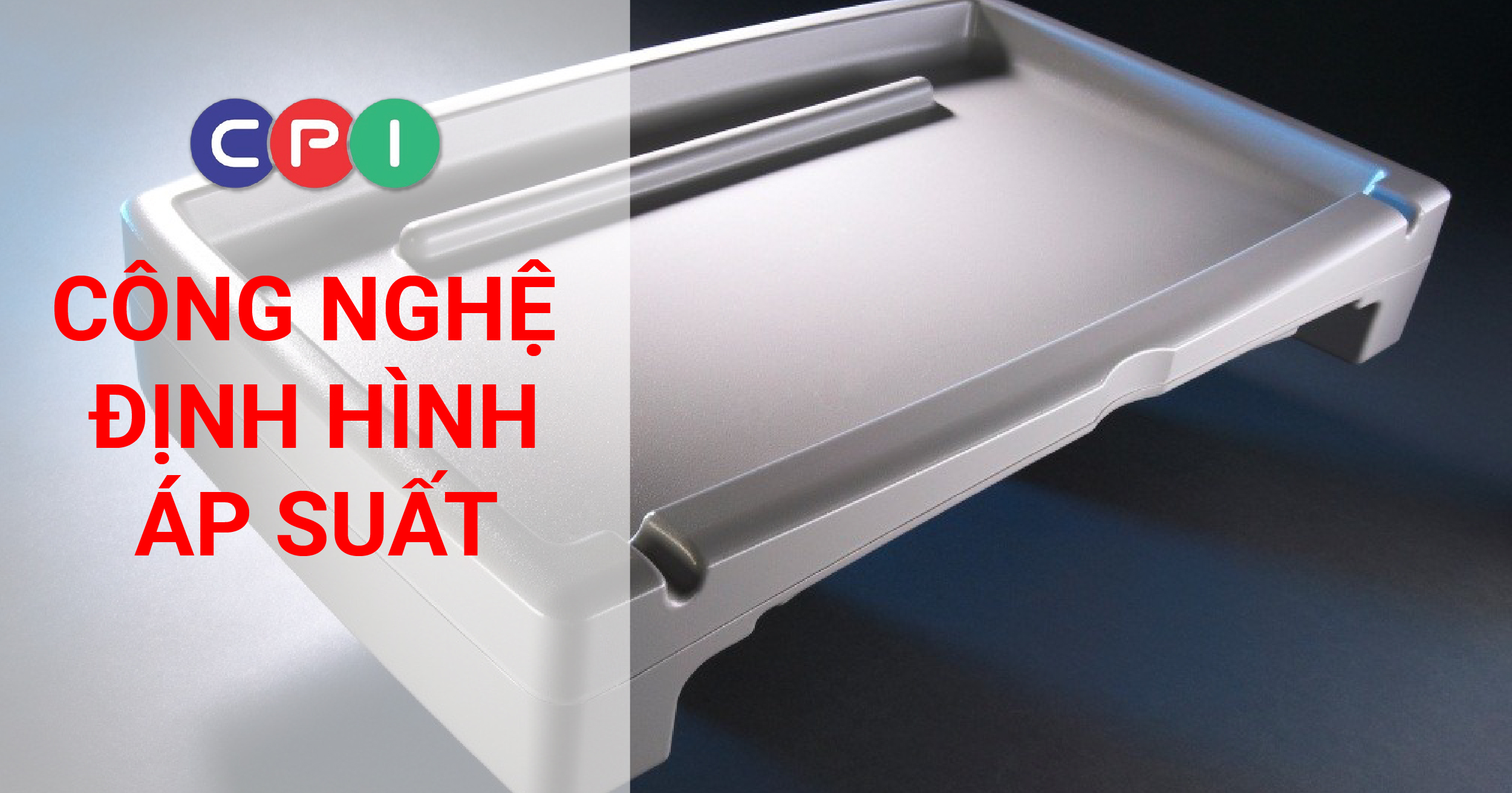
Pressure Forming Technology in the Plastics Industry
Pressure forming uses pressure to force heated plastic material into a mold, creating precise shapes according to the design.
Read moreOur Products – Your Success
Plastic manufacturing technology and processes: injection molding, film blowing, vacuum forming, 3D printing, mold making, and troubleshooting product defects.
18 posts
Pressure forming uses pressure to force heated plastic material into a mold, creating precise shapes according to the design.
Read more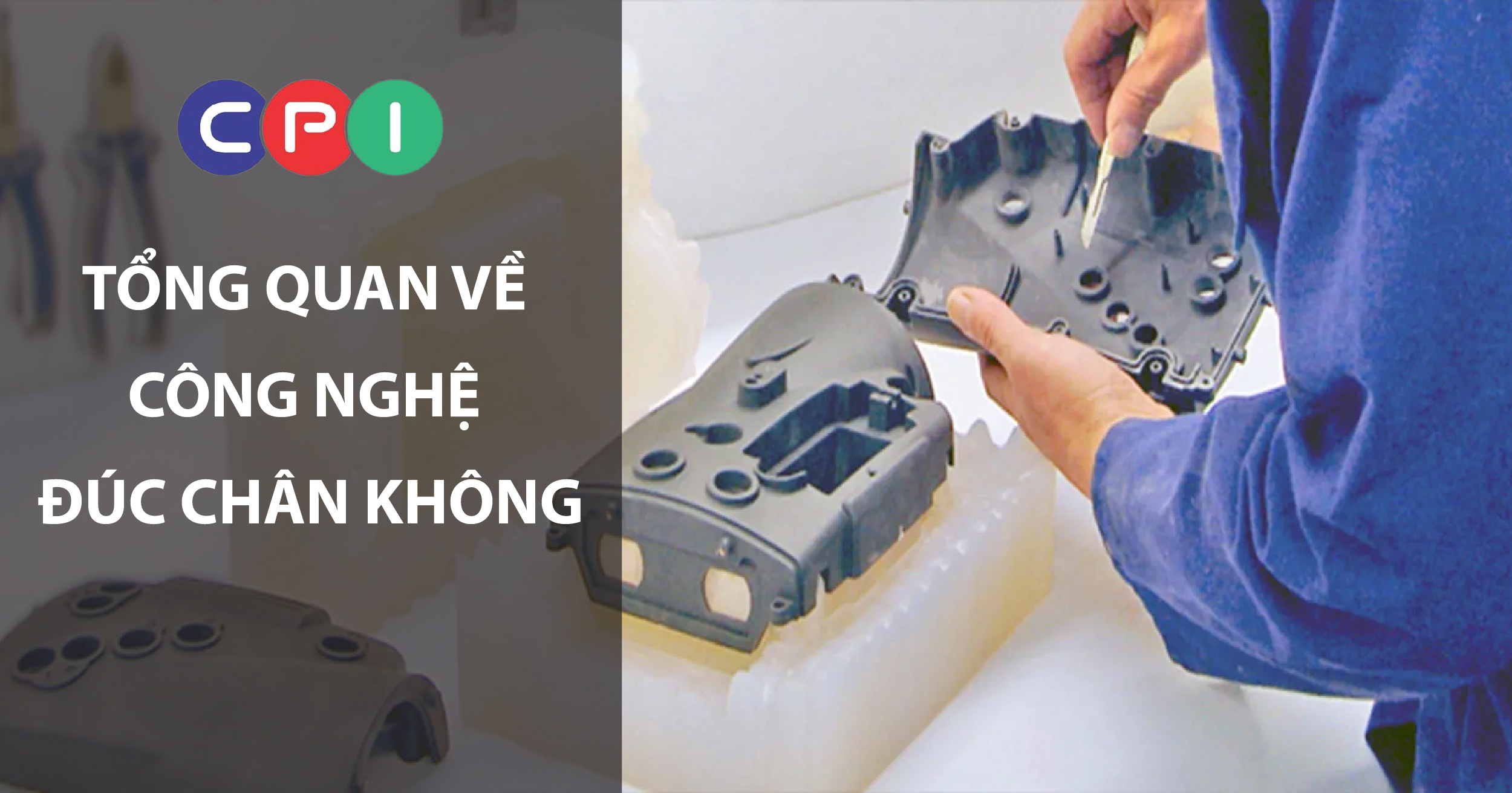
Vacuum forming is a molding method that uses vacuum to completely remove air from the material and mold.
Read more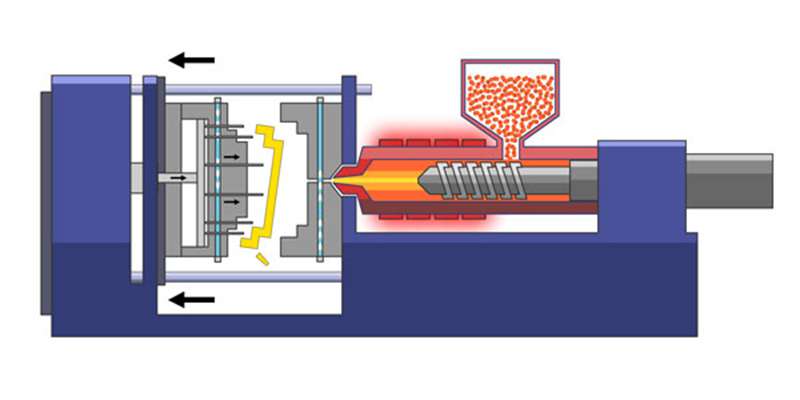
There are various injection molding methods, each with unique characteristics, technical requirements, and suitability for different applications.
Read more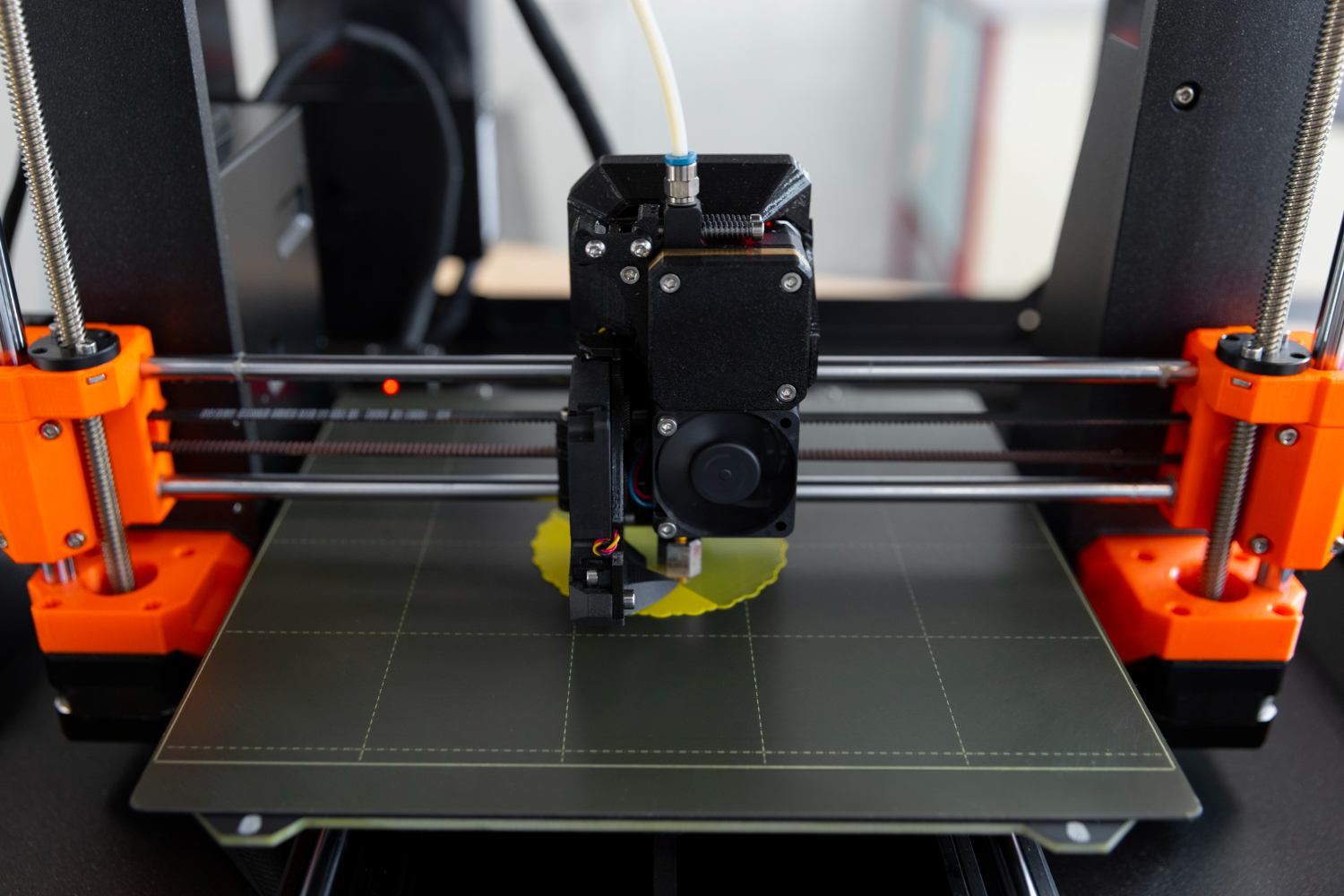
The four most popular plastic 3D printing technologies currently are Fused Deposition Modeling (FDM), Stereolithography (SLA), Selective Laser Sintering (SLS), and Material Jetting.
Read more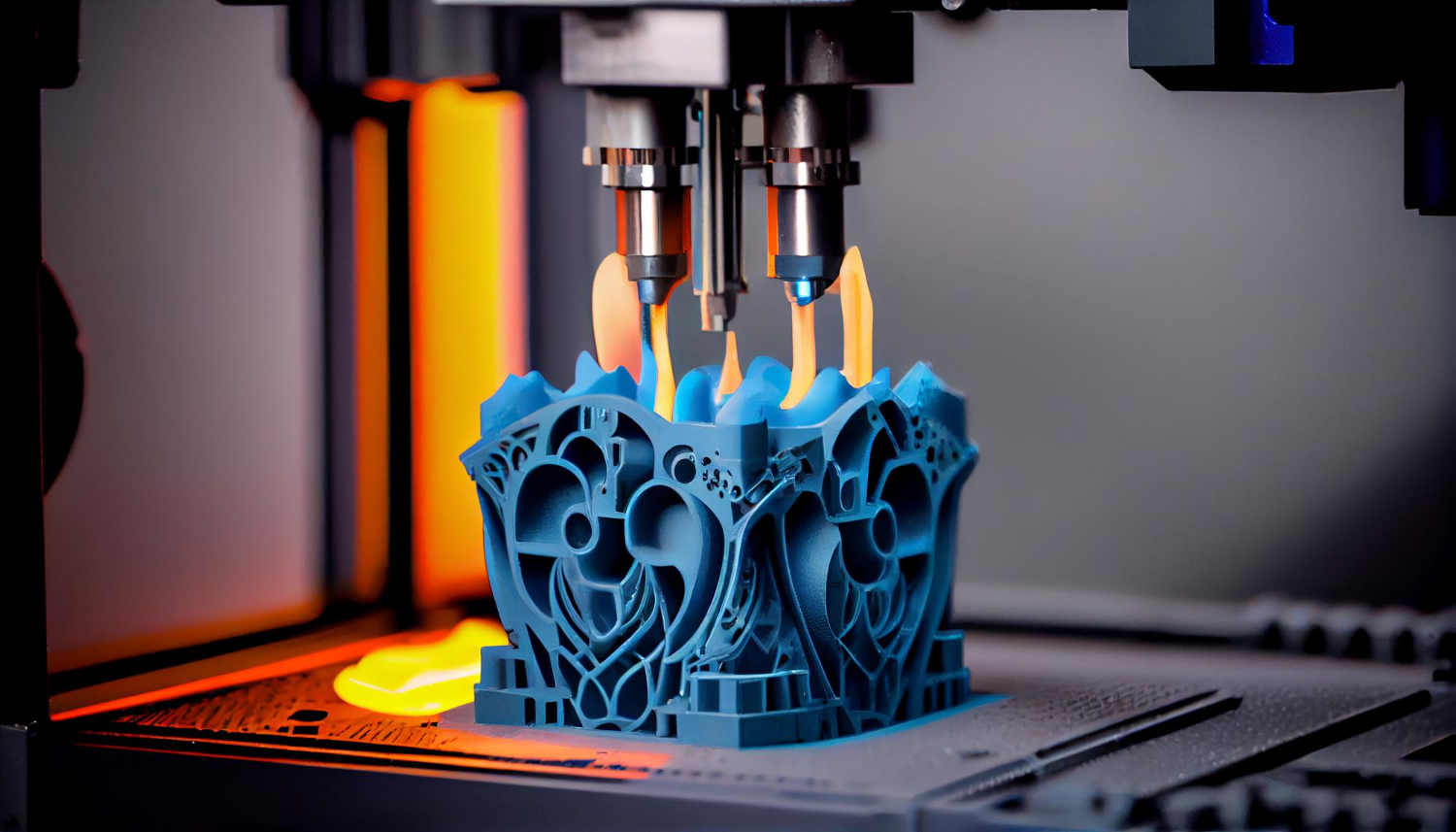
Plastic 3D printing technology is a process that creates three-dimensional objects by successively layering molten plastic materials.
Read more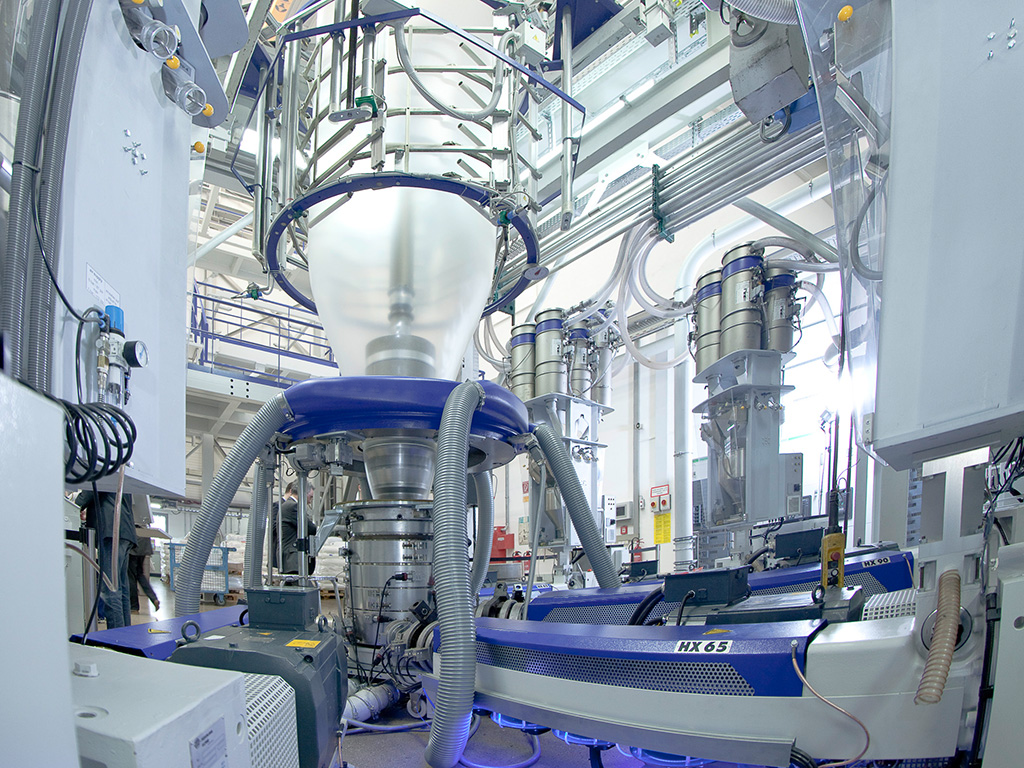
Plastic film blowing technology is a widely used process in the packaging industry for producing various plastic films, plastic bags, and nylon bags.
Read more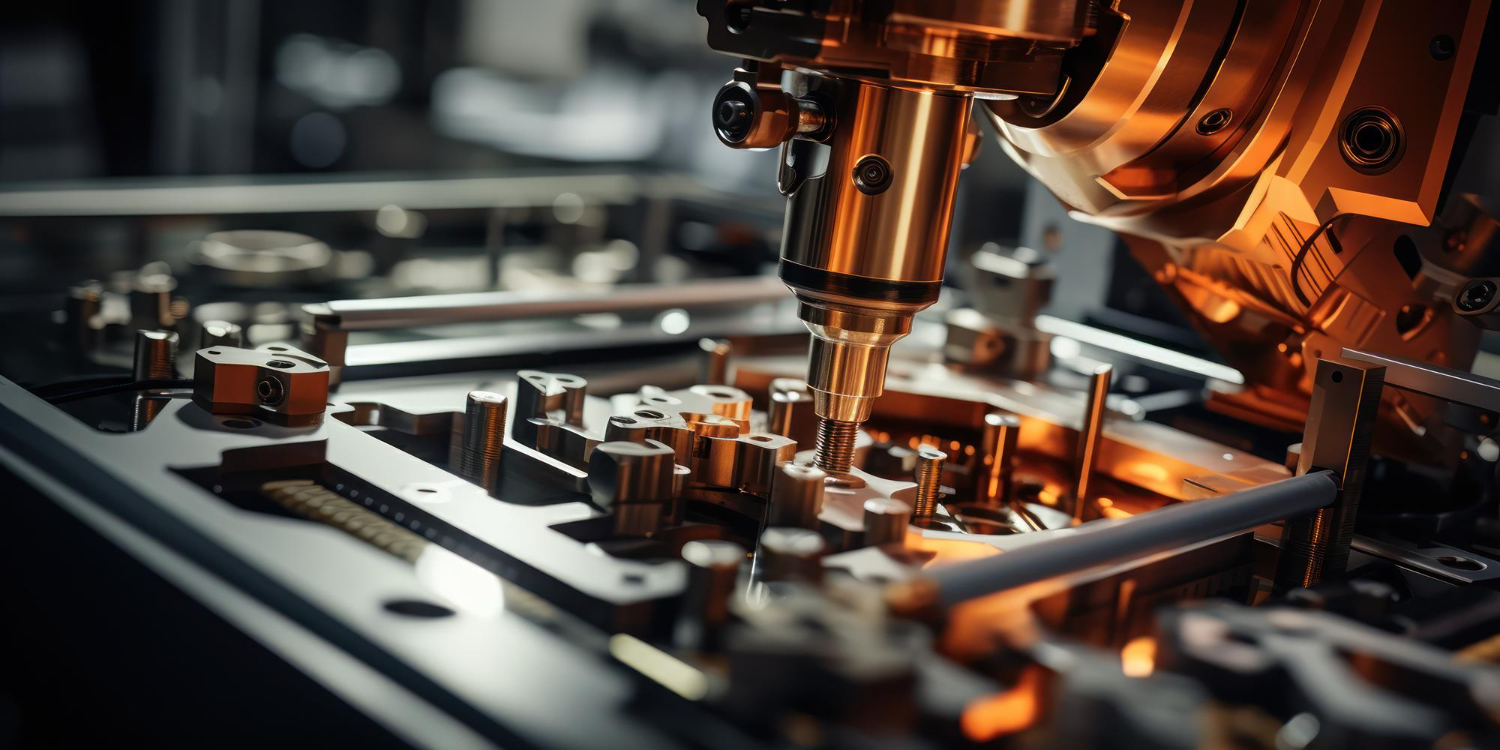
Plastic injection molds are a crucial component in the plastic injection molding process. They directly influence the shape and quality of the final product.
Read more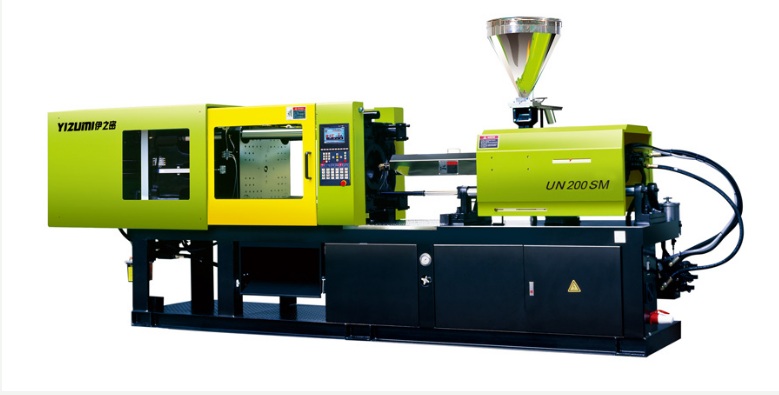
Plastic injection molding is a manufacturing technology that involves injecting molten plastic material into a mold cavity under high pressure.
Read moreUnderstanding the different methods of plastic production is crucial for ensuring product quality, efficiency, and cost-effectiveness.
Read more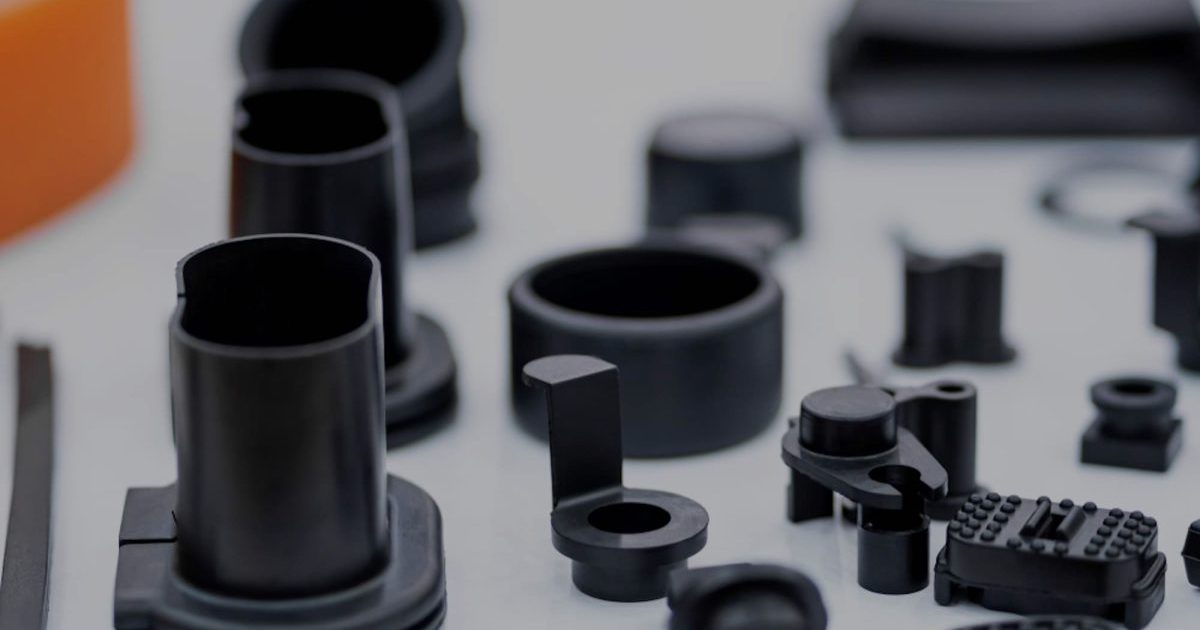
Understanding common defects in injection molded products is crucial for ensuring product quality, durability, and performance.
Read more
Plastic products can be deodorized during manufacturing by adding odor-absorbing additives and applying specialized deodorization technologies.
Read more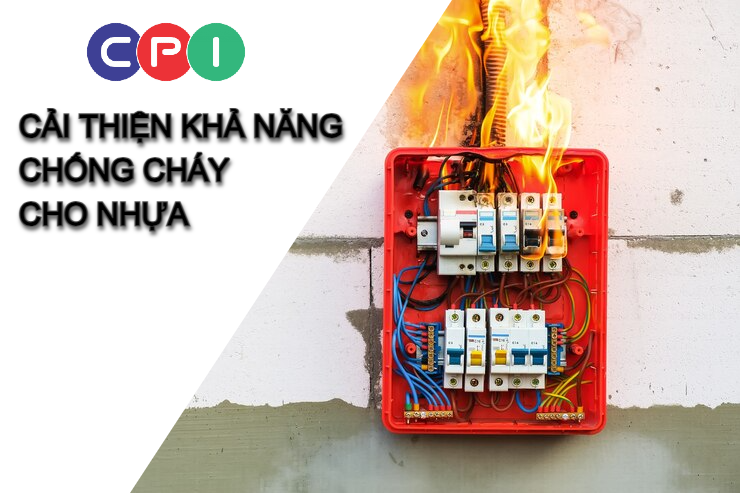
There are several methods to improve the flame retardancy of plastics, including the use of additives, flame-retardant coatings, and reinforcing materials.
Read more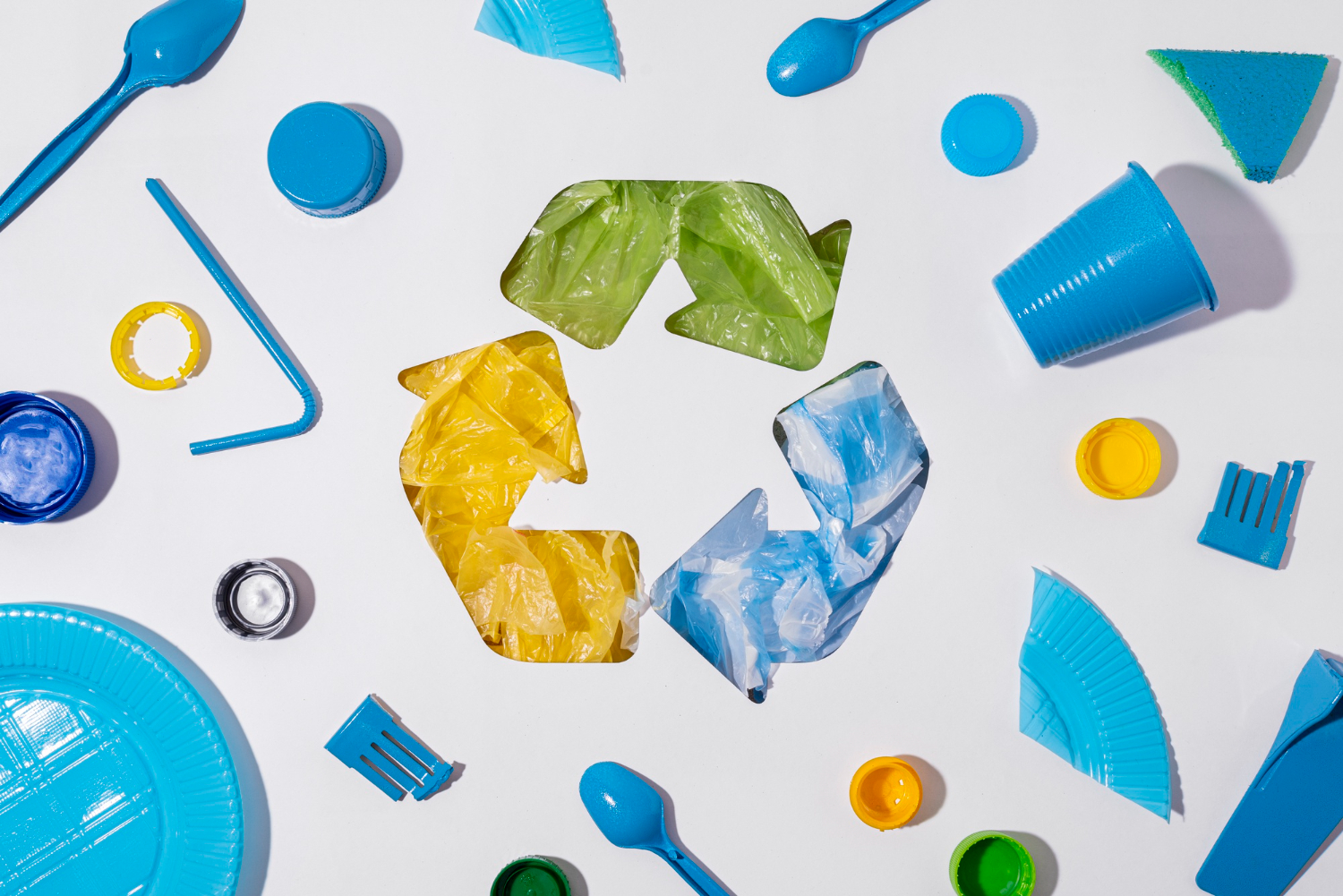
Plastic recycling is a method to optimize the lifespan of plastics, aiming to minimize the environmental impact of plastic waste.
Read more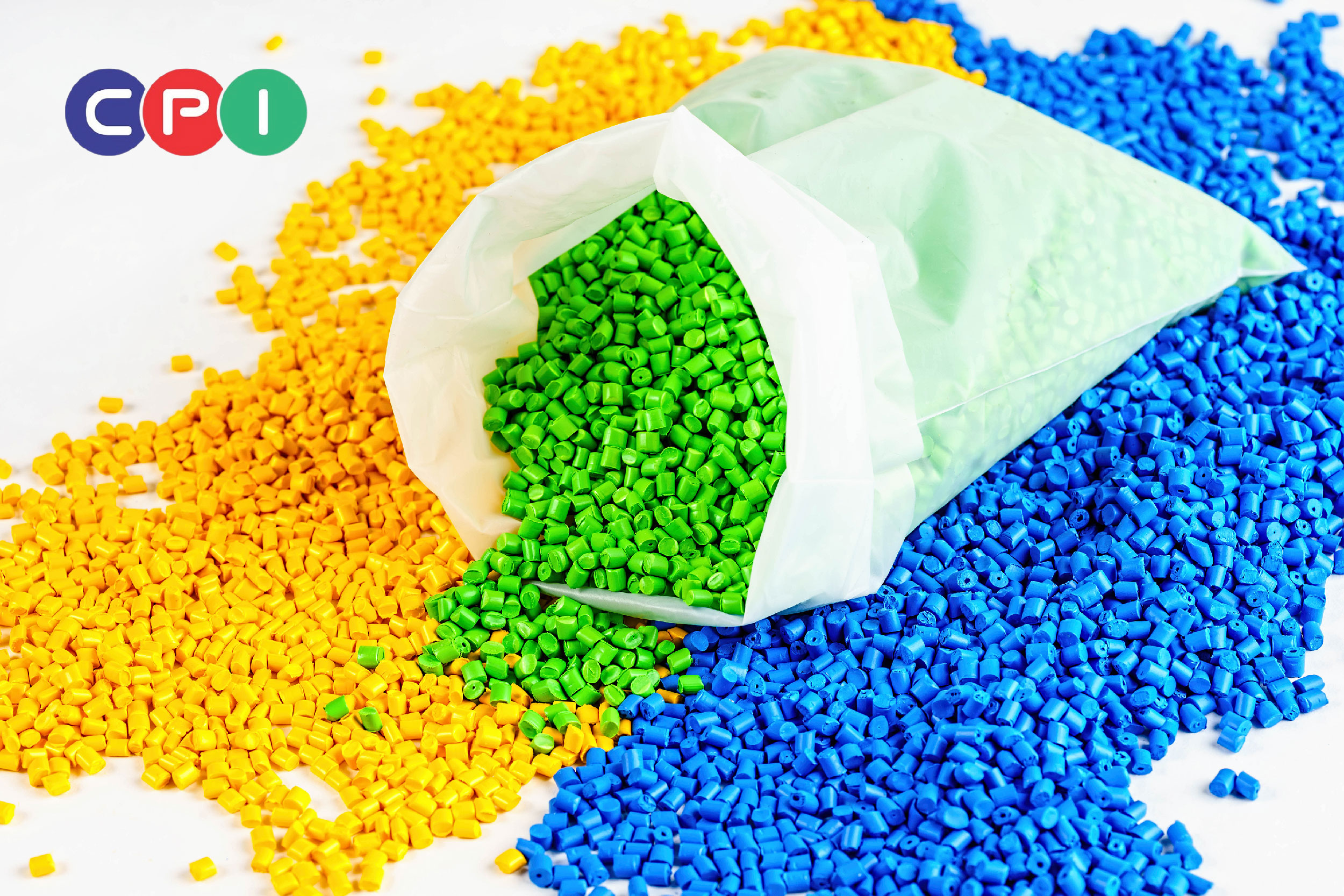
The color masterbatch production process at CPI Plastic employs modern technology and high-tech lines, featuring high-speed mixers and twin-screw extruders.
Read more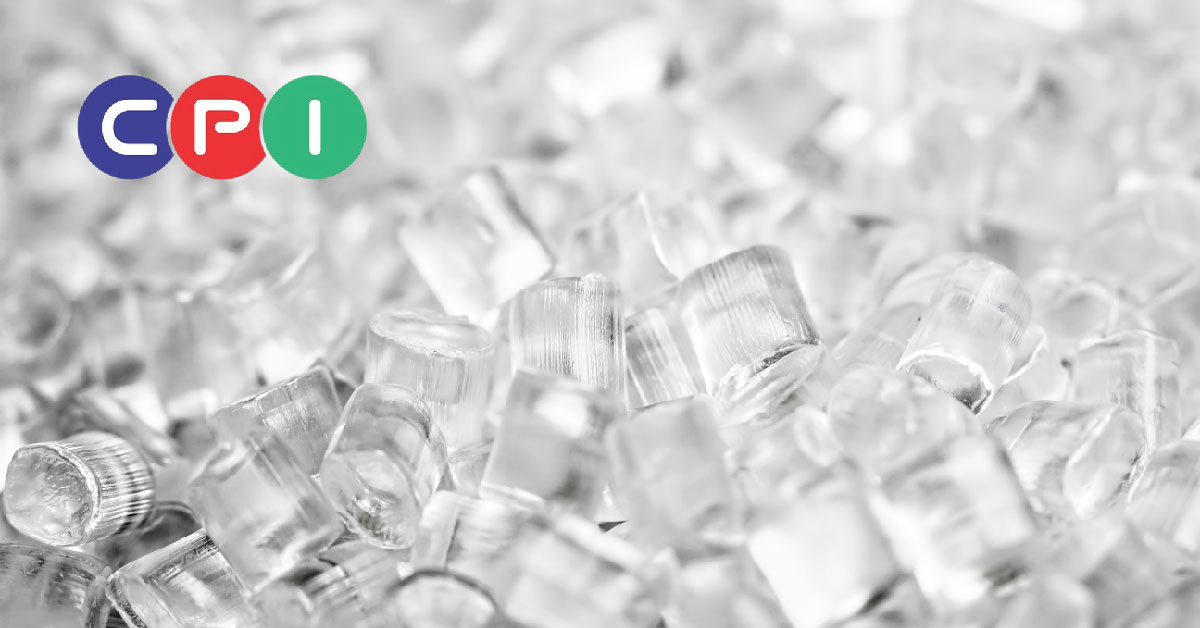
Compound plastic is a product derived from the synthesis of virgin resins and various additives, engineered to achieve desired properties for specific applications.
Read more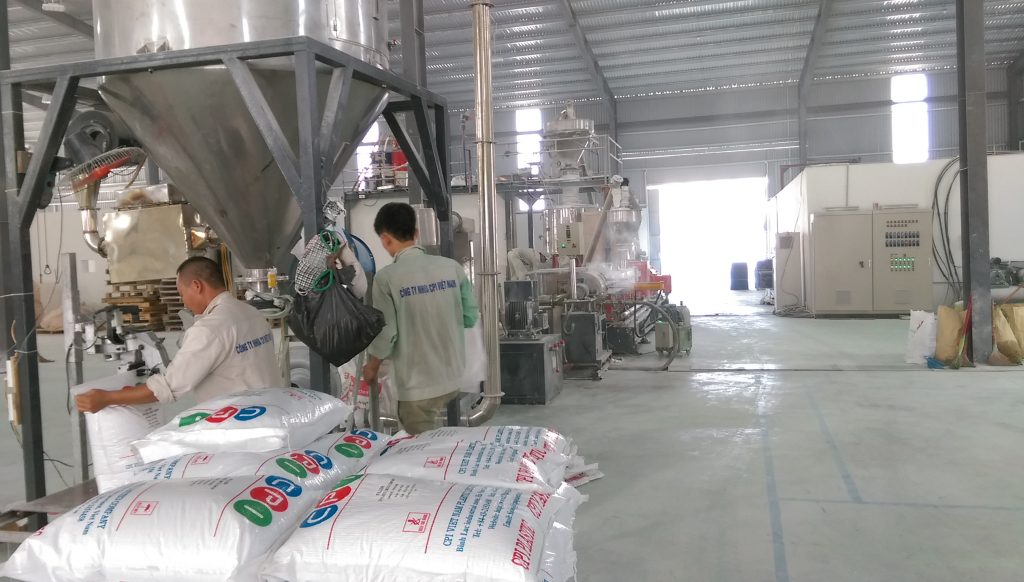
Taical filler masterbatch is a multi-component compound. It comprises a polymer resin, calcium carbonate (CaCO3) powder, and various other additives.
Read more
Plastic products come in diverse, eye-catching colors. The two most popular solutions for coloring plastic products are using pigment powder and color masterbatch.
Read more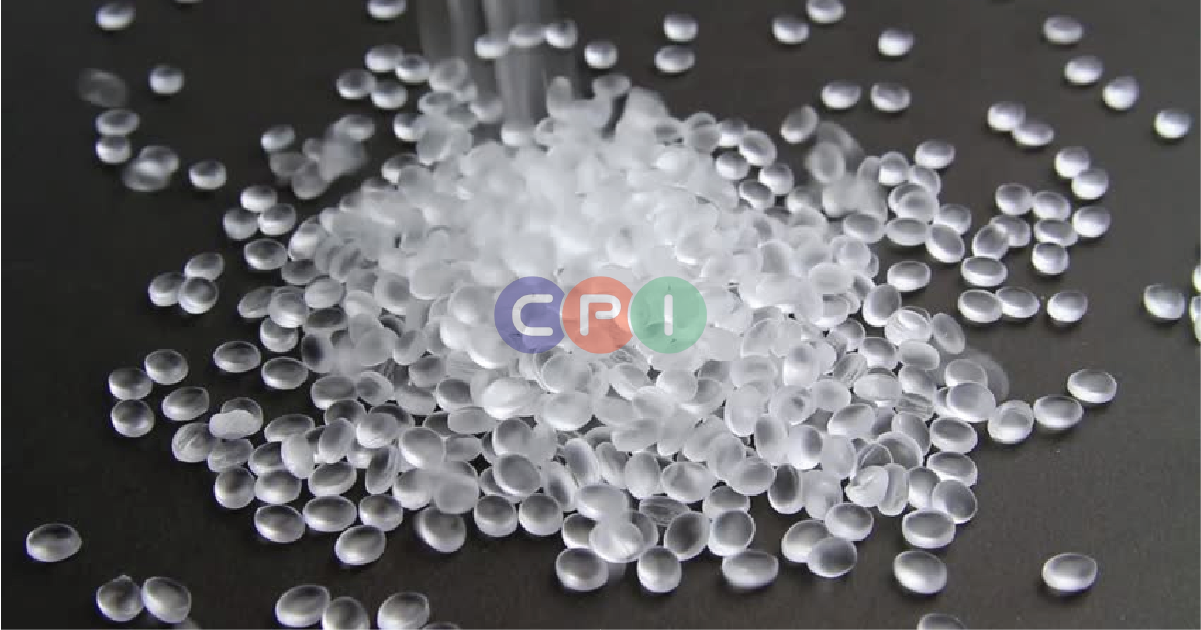
The virgin plastic pellet production process involves four stages to ensure the highest possible product quality and compliance with all standards.
Read more