Plastic injection molding is a manufacturing process that allows for the rapid, cost-effective production of a wide range of products and is widely used. There are various injection molding methods, each with distinct characteristics, technical requirements, and suitability for different applications. Understanding the different plastic injection molding methods is crucial for manufacturers to select the most appropriate technique for their specific needs. In this article, we will explore various plastic injection molding methods, their processes, materials used, advantages and disadvantages, applications, and the industries in which they are commonly employed.
I. Traditional Injection Molding
Traditional injection molding is the most common method used in the industry. The process involves melting plastic pellets and injecting them into a mold cavity under high pressure. Once the plastic cools and solidifies, the mold opens, and the finished product is ejected.
Common materials used in traditional injection molding include thermoplastics such as ABS, polyethylene, and polypropylene. These materials are chosen for their durability, flexibility, and ease of processing.
Advantages of traditional injection molding include high production speed, accuracy, and repeatability. However, setup can be expensive, and it may not be suitable for complex geometries.
Traditional injection molding is used in various industries, including automotive, electronics, and consumer goods.
(See more: Basic knowledge about injection molding technology in the plastic industry)
II. Gas-Assisted Injection Molding
Gas-assisted injection molding is a variation of traditional injection molding that involves injecting gas into the mold cavity to help push the plastic material into the mold.
This method allows for the production of hollow parts with thick walls, which can reduce material costs and part weight. Gas assistance also helps reduce sink marks and warping in the final part, resulting in a more uniform and aesthetically pleasing product. Additionally, gas-assisted injection molding can help shorten cycle times and increase production efficiency.
Examples of products manufactured using gas-assisted injection molding include automotive components, furniture, and home appliances.
There are several benefits to using the gas-assisted injection molding method. One of the main benefits is the ability to create hollow parts with thick walls, which can reduce material costs and part weight. Gas assistance also helps reduce sink marks and warping in the final part, resulting in a more uniform and aesthetically pleasing product. Additionally, gas-assisted injection molding can help shorten cycle times and increase production efficiency.
III. Insert Molding
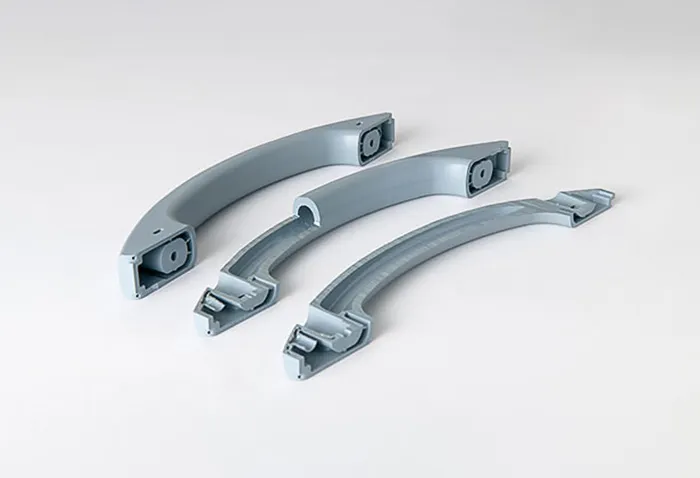
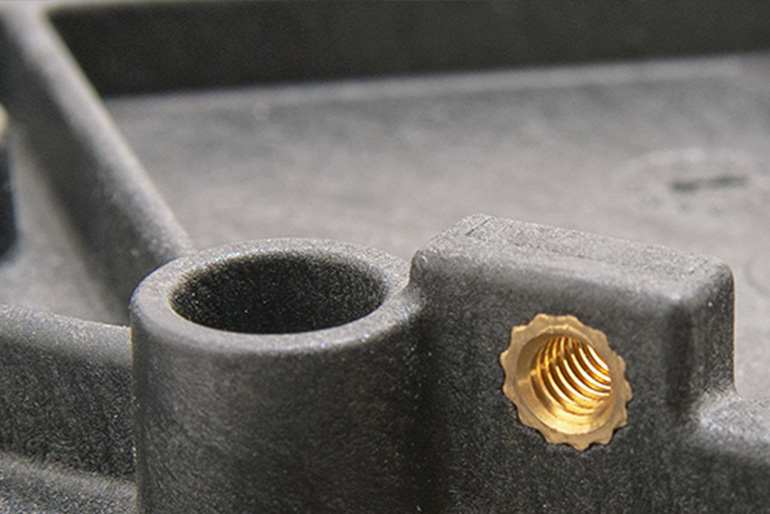
Insert molding is a plastic injection molding method where metal or plastic inserts are placed into the mold cavity before the plastic is injected. The molten plastic then encapsulates the inserts. This method is commonly used to produce assembled parts or parts requiring reinforcement.
Common inserts used in the insert molding process include threaded inserts, pins, studs, and connectors. These inserts can be made from materials such as brass, stainless steel, and plastic.
One of the main advantages of insert molding is that it allows for the creation of complex parts with multiple materials in a single molding process. This can reduce assembly time and costs, as well as improve the overall strength and durability of the final product. However, insert molding can also be more expensive and time-consuming compared to traditional molding processes.
Insert molding is commonly used in industries such as automotive, electronics, medical devices, and consumer goods. In the automotive industry, insert molding is often used to create parts with metal inserts for added strength and durability. In the electronics industry, insert molding is used to encapsulate delicate components and create robust connections.
IV. Overmolding
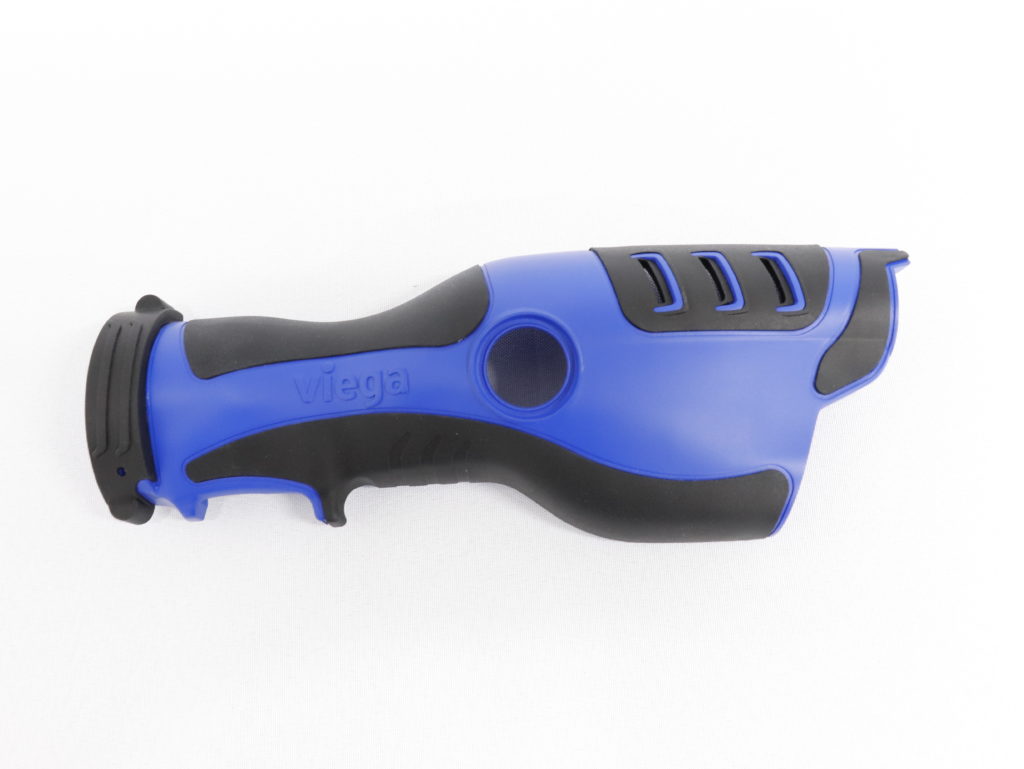
Overmolding is a technique where a part is created using two or more different materials. This technique involves molding one material over another to create a final product with unique functionalities and properties.
Common materials used for overmolding include thermoplastics, thermosets, and elastomers. These materials are selected based on their compatibility with each other and the desired properties of the final product.
There are several benefits to using overmolding in manufacturing. It allows for the creation of complex shapes and designs that are difficult or impossible to achieve with traditional manufacturing methods. Overmolding also helps improve the durability, impact resistance, and aesthetics of the final product.
Examples of products made with overmolding include toothbrush handles, tool grips, and electronic device casings. These products benefit from the added comfort, grip, and protection that overmolding provides.
V. Multi-Shot Injection Molding
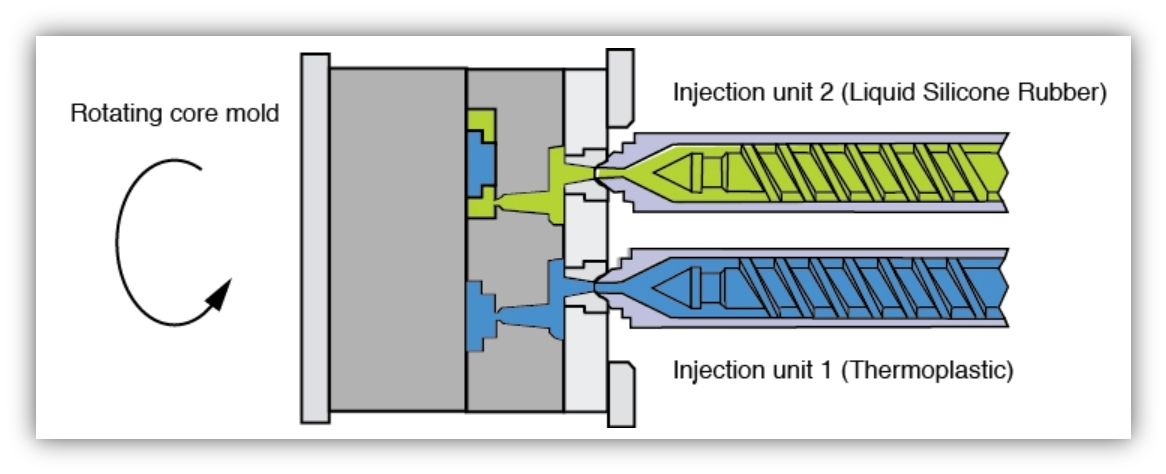
Multi-shot injection molding is a method where multiple materials are injected into a mold in a continuous process. This allows for the combination of different materials into a single part, creating complex designs and enhancing manufacturing efficiency.
One of the main benefits of using multi-shot molding is the ability to create parts with multiple colors, textures, or materials without the need for secondary operations. This can result in cost savings and reduced lead times for manufacturers. Additionally, multi-shot molding can improve part quality by reducing the risk of errors and improving consistency in the final product.
Multi-shot injection molding is used in various industries, including automotive, electronics, consumer goods, and medical devices. In the automotive industry, this method is commonly used to create parts with soft-touch finishes, as well as to combine multiple materials to improve durability and aesthetics. In the electronics industry, multi-shot injection molding is used to create parts with integrated seals and gaskets, as well as to improve the functionality of electronic devices.
VI. Micro Injection Molding
Micro injection molding is a specialized manufacturing method that involves creating small and complex parts with high precision. This process is typically used to produce parts that are smaller than one millimeter.
Many types of materials can be used for micro injection molding, including thermoplastics, silicones, and powdered metals. Each material has its own unique properties, making it suitable for different applications.
One of the main advantages of micro injection molding is the ability to create complex geometries and small parts with high precision. However, this process also comes with its own challenges, such as tooling costs and the need for specialized equipment.
Several industries benefit from micro injection molding technology, including medical devices, electronics, automotive, and aerospace. These industries rely on micro injection molding to produce the small and precise components required for their products.
V. Conclusion
In conclusion, choosing the right plastic injection molding method is crucial for achieving desired results in terms of part quality, cost, and production efficiency. Manufacturers should carefully consider the specific requirements of their application and select the most suitable method accordingly. As technology continues to advance, we can expect to see further innovations in plastic injection molding methods, such as the development of new materials, processes, and equipment.