I. Introduction to Plastic Injection Molding Technology
A. What is Plastic Injection Molding Technology?
Plastic injection molding is a manufacturing technology that involves injecting molten plastic material into a mold cavity under high pressure. The material is then cooled and solidified, creating a precise and detailed plastic part or product.
(See more: 5 Most Common Plastic Product Manufacturing Methods Today)
B. The Importance of Injection Molding in Plastic Manufacturing
This method is widely used across various industries due to its ability to create complex shapes in high volumes with high precision and consistent quality. Plastic injection molding offers cost-effective production, fast cycle times, and minimal material waste, making it a popular choice for mass-producing plastic components. Furthermore, the process is highly versatile as it can be used with a wide range of plastic materials. Overall, injection molding plays a crucial role in the production of a diverse array of plastic products, from automotive parts to consumer goods, making it an essential manufacturing technique.
II. Plastic Injection Molding Process
A. Material Selection
The first step in the plastic injection molding process is selecting the appropriate material for the product or part being manufactured. Factors such as the desired properties of the final product, cost, and safety considerations must be taken into account when choosing materials. Common materials used in plastic injection molding include thermoplastics like polyethylene, polypropylene, and polystyrene, as well as thermoset plastics like epoxy and phenolic resins.
B. Mold Design
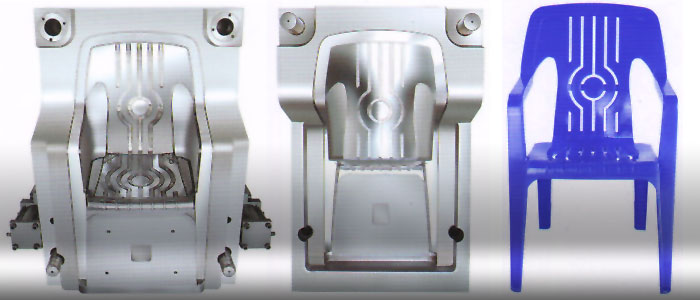
Once the material has been chosen, the next step is to design the mold that will be used to shape the plastic product. Mold design is a critical aspect of the plastic injection molding process, as it determines the final shape, size, and features of the product. The mold must be designed to withstand the high pressures and temperatures associated with the injection molding process, as well as to allow for proper cooling and ejection of the finished product.
C. Injection Molding Process
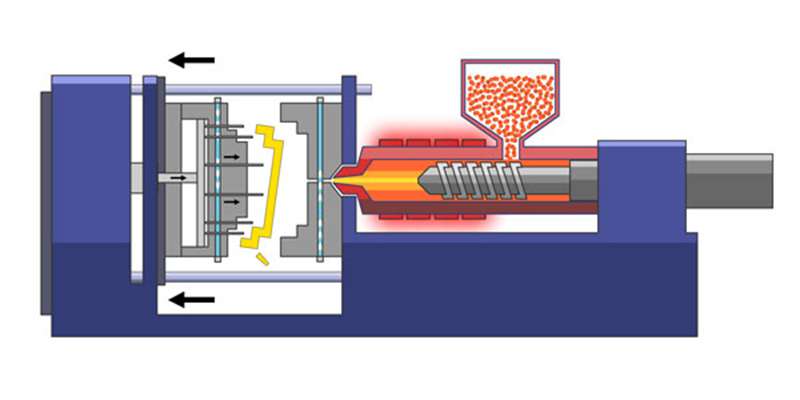
With the material selected and the mold designed, the plastic injection molding process can begin. The process starts by heating the plastic to its melting point, after which it is injected into the mold cavity under high pressure. The molten plastic fills the cavity and takes on the shape of the mold.
D. Cooling and Ejection
Once the plastic has been injected into the mold cavity, it must be cooled to ensure it retains its shape and dimensional accuracy. Cooling is typically achieved through the use of cooling channels within the mold that circulate a cooling solution or air. After the plastic has cooled and solidified, the mold is opened, and the finished product is ejected using pins or ejector plates.
E. Quality Control
Quality control is an essential part of the plastic injection molding process to ensure that the finished product meets the necessary specifications and standards. Quality control measures can include visual inspection, dimensional measurement, and testing of mechanical properties such as strength and durability. Any defects or imperfections in the finished product must be identified and addressed to ensure the quality and reliability of the final product.
III. Advantages of Plastic Injection Molding Technology
A. Cost-Effective Manufacturing
One of the primary advantages of plastic injection molding is its cost-effectiveness. The initial tooling cost for creating the mold can be high, but once the mold is created, the cost per unit produced is relatively low. This makes plastic injection molding an ideal choice for high-volume production, as the cost per unit decreases as the number of parts produced increases.
B. Short Production Time
Plastic injection molding is a fast and efficient process that allows for high production rates, enabling the manufacturing of large quantities of parts in a short amount of time. This short production time is particularly beneficial for industries that require high volumes of plastic parts.
C. Design Flexibility
Another advantage of plastic injection molding is its design flexibility. Molds can be easily designed to produce parts with complex shapes and intricate details. This allows for a high degree of design freedom, making it possible to create parts with unique functionalities and specifications. Additionally, plastic injection molding allows for the use of multiple materials in a single part, further expanding design possibilities.
D. Diverse Materials
Plastic injection molding can be used with a wide range of materials, including thermoplastics, thermosets, and elastomers. This versatility allows for the production of parts with different properties, such as hardness, strength, and heat resistance. Various materials can be used to achieve specific performance requirements, making plastic injection molding a flexible and adaptable manufacturing process.
E. Low Material Waste
The plastic injection molding process generates less material waste compared to other manufacturing processes. Excess plastic material generated during the molding process can be recycled and reused, reducing the overall environmental impact of the manufacturing process. Additionally, the precision of the injection molding process ensures that only the necessary amount of material is used.
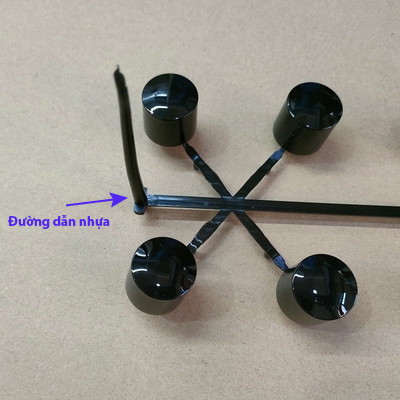
IV. Applications of Injection Molding Technology in Industries
A. Automotive Industry
One of the largest industries utilizing plastic injection molding is the automotive sector. From interior components like dashboards, door panels, and seats to exterior parts such as bumpers, grilles, and trim, plastic injection molding is used to produce a wide range of automotive parts. This process enables the production of complex shapes and designs, as well as the use of different materials to meet specific requirements like durability, heat resistance, and impact strength.
B. Medical Devices
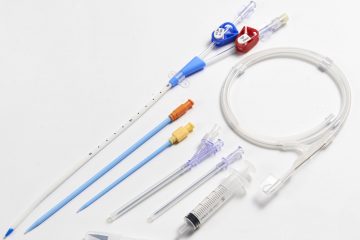
Plastic injection molding is also widely used in the manufacturing of medical devices. From syringes and IV tubes to surgical instruments and implants, plastic injection molding is employed to produce a wide array of medical products. This process allows for the production of precise and consistent parts, which are essential for the safety and effectiveness of medical devices. Additionally, plastic materials used in medical devices are often biocompatible and sterilizable, making them suitable for use in healthcare environments.
C. Consumer Goods
Plastic injection molding is commonly used in the manufacturing of consumer goods such as toys, household appliances, and furniture. This process enables the mass production of high-quality products at low costs, making it ideal for consumer goods manufacturers. Additionally, plastic materials can be easily colored, textured, and finished to create aesthetically pleasing products that appeal to consumers.
D. Electronics
Plastic injection molding is also used in the manufacturing of electronic components such as housings, enclosures, and connectors. This process allows for the production of precise and intricate parts that meet the specific requirements of electronic devices. Plastic materials used in electronics are often lightweight, durable, and resistant to heat and chemicals, making them suitable for use in electronic applications.
E. Packaging
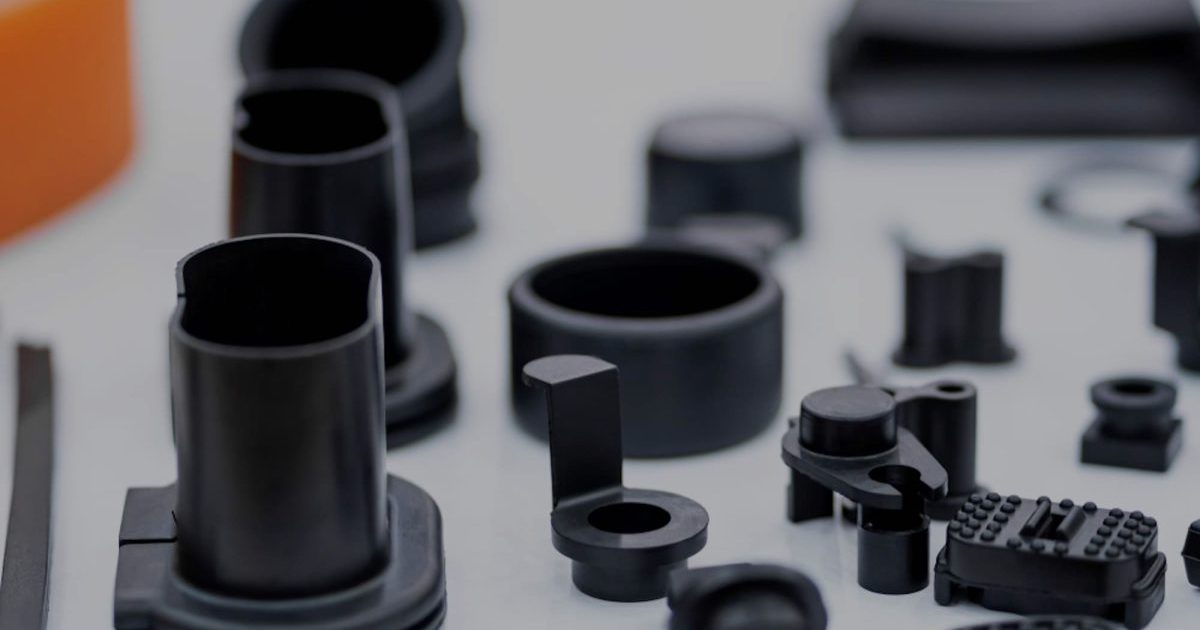
Plastic injection molding is extensively used in the packaging industry to produce containers, caps, and closures for food, beverages, cosmetics, and pharmaceuticals. This process allows for the production of lightweight and durable packaging solutions that protect products from environmental damage. Additionally, plastic materials used in packaging are often recyclable, making them a sustainable choice for environmentally conscious consumers.