I. The Importance of Flame Retardant Plastics
The flame retardancy of plastics is crucial for ensuring product and material safety. Plastics are commonly used in various industries, including construction, electronics, and automotive, and can pose significant fire hazards if not properly treated. By improving the flame retardancy of plastics, the risk of fire and flame spread can be minimized, ultimately protecting people and property. This is especially vital in buildings and vehicles, where the use of flame retardant plastics can help prevent rapid fire spread and provide valuable time for evacuation and emergency response. Therefore, investing in enhancing the flame retardancy of plastics is essential for improving safety and reducing the potential impact of fires.
II. Understanding Flame Retardancy
A. Characteristics of Flame Retardant Plastics
1. Ignition Resistance
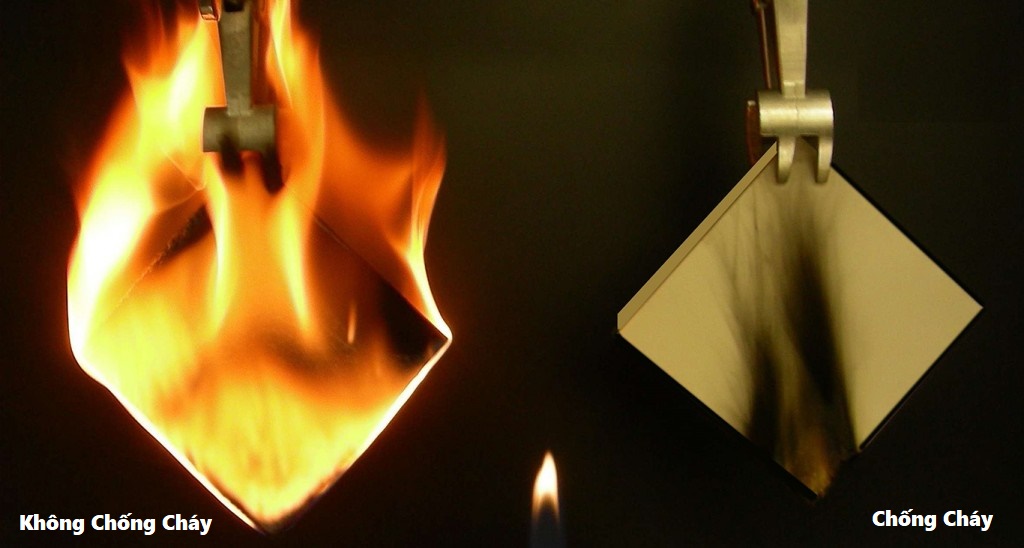
Several factors contribute to the flame retardancy of plastics. One of the most important characteristics is the material's ability to withstand high temperatures without igniting or spreading flames.
2. Self-Extinguishing Capability
Another critical characteristic of plastic flame retardancy is the material's ability to self-extinguish. This means that once the ignition source is removed, the plastic will stop burning on its own. This property is often achieved through the use of additives that promote char formation, creating a protective barrier that insulates the material and prevents flame spread.
3. Low Smoke and Toxic Gas Emission
In addition to these characteristics, it is also important for flame retardant plastics to produce minimal smoke and toxic gas emissions when exposed to fire. This is crucial in applications where human safety is a top priority, such as in building materials and transportation.
B. Factors Affecting Plastic Flame Retardancy
1. Chemical Composition
Plastics are made from polymers, which are long molecular chains. The chemical structure of these polymers can significantly influence the flammability of the plastic. For example, plastics containing higher amounts of carbon and hydrogen atoms are generally more flammable than those with higher amounts of oxygen atoms.
2. Physical Properties
Plastics with low melting points and high heat release rates are more likely to ignite and sustain a fire. Similarly, plastics with a high surface area-to-volume ratio can ignite more easily due to increased exposure to heat and oxygen.
3. Manufacturing Method
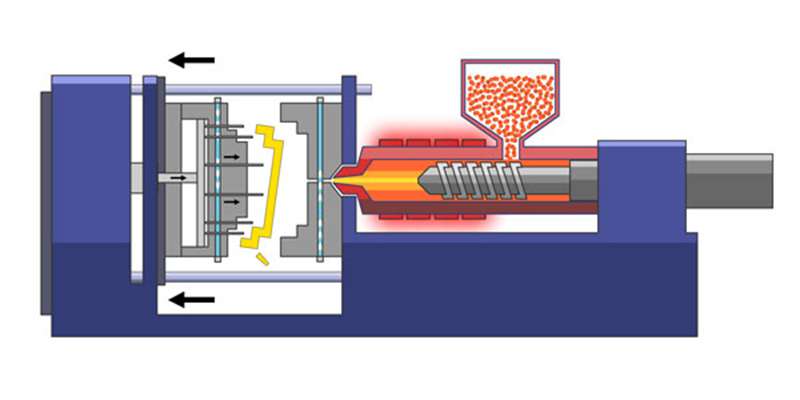
The processing and manufacturing methods used for plastics can also affect their flammability. For example, the presence of residual solvents or unreacted monomers during production can increase the plastic's flammability. Additionally, the presence of voids or air pockets within the plastic material can provide fuel for fire spread.
4. Environment
Environmental factors such as temperature and humidity can also affect the flammability of plastics. High temperatures can accelerate the degradation of plastics, leading to increased flammability. On the other hand, high humidity can reduce the flammability of some plastics by inhibiting the release of flammable gases during combustion.
III. Methods to Improve Plastic Flame Retardancy
A. Additives
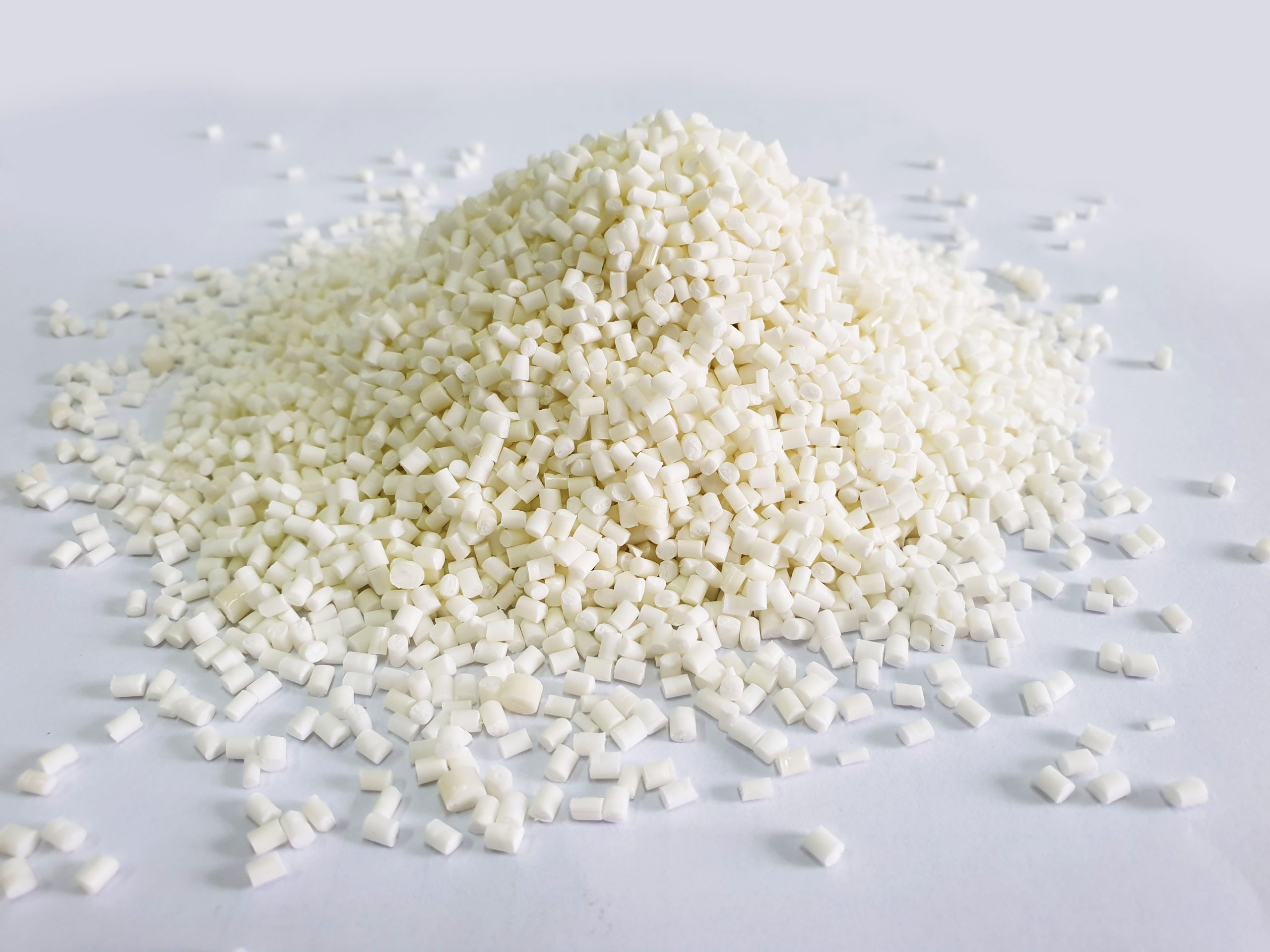
The most common method is the addition of flame retardant additives to the plastic formulation. These additives work by either inhibiting the combustion process or creating a barrier that insulates the plastic from the heat source. Examples of flame retardant additives include halogenated compounds, phosphorus-based compounds, and inorganic fillers like alumina trihydrate.
(See more: Flame Retardant Additives)
B. Protective Coatings
Another method to enhance the flame retardancy of plastics is the use of flame retardant coatings. These coatings contain a combination of chemicals that react when exposed to heat, forming a protective char layer that insulates the plastic from the fire. Coatings are often used in building materials and electrical enclosures to improve their fire performance.
C. Enhancing Physical Properties
The flame retardancy of plastics can be achieved by incorporating reinforcing materials into the plastic composition. For example, fiberglass is commonly used as a reinforcing agent in plastic materials to improve their mechanical properties, but it also offers the added benefit of enhancing the plastic's flame retardancy. The glass fibers act as a barrier that prevents the spread of flames and can also help reduce the release of toxic gases during a fire.
IV. Conclusion
Overall, improving the flame retardancy of plastics is essential in applications that require high safety standards or operate in harsh environments. The methods for enhancing plastic flame retardancy have different effects and efficiencies depending on the intended use and type of plastic. Therefore, it is crucial to carefully consider the flame retardant method, along with relevant international standards and regulations for flame retardant plastics for each specific case.
(See more: Flame Retardancy Standards for Plastics)