Plastic is one of the most common and useful materials in modern times. Worldwide, we produce 300 million tons of plastic each year; causing a very significant negative impact on the environment. To minimize the environmental impact of plastic, we must optimize its lifespan as much as possible by recycling and reusing plastic.
I. Benefits of Plastic Recycling
Plastic recycling has become an increasingly important activity in our society. The benefits of plastic recycling are numerous, ranging from environmental to economic and social advantages.
A. Environmental Benefits
Reduced Plastic Pollution: One of the most important environmental benefits of plastic recycling is the reduction of plastic pollution. By recycling plastic, we can prevent it from ending up in landfills or polluting oceans and waterways. This helps protect wildlife and ecosystems from the harmful effects of plastic waste.
Conservation of Natural Resources: Plastic recycling helps conserve natural resources such as the oil used to produce plastic. By reusing and repurposing plastic materials, we can reduce the demand for new plastic production, ultimately preserving valuable natural resources.
B. Economic Benefits
Job Creation in the Recycling Industry: The plastic recycling industry creates employment opportunities for individuals involved in collecting, sorting, and processing plastic materials. This helps stimulate the economy and provides job opportunities for many people.
Cost Savings for Plastic Product Manufacturers: Businesses that use recycled plastic products can benefit from cost savings. Recycled plastic materials are often more affordable than virgin plastic, allowing businesses to reduce production costs and improve profitability.
C. Social Benefits
Promoting Sustainable Living: Plastic recycling promotes sustainable living by encouraging individuals and communities to reduce, reuse, and recycle. It raises awareness about the importance of responsible consumption and waste management, leading to a more sustainable and environmentally conscious society.
Contributing to a Cleaner and Healthier Environment: By recycling plastic, we can contribute to a cleaner and healthier environment for current and future generations. It helps reduce pollution, conserve natural resources, and protect the planet for many years to come.
II. Recycled Plastic Pellet Production Process
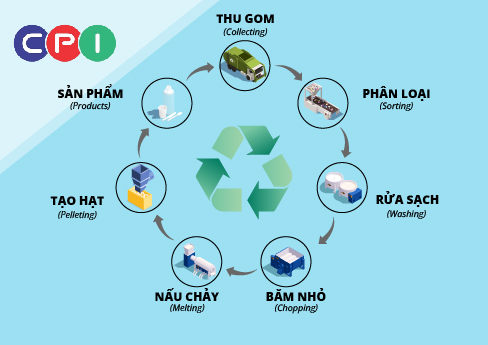
The production process of recycled plastic involves several key steps, from collecting plastic waste, sorting and processing, to producing new plastic products.
A. Collection of Plastic Waste
The first step in recycled plastic production is the collection of plastic waste. This can be done through various means, such as curbside recycling programs, collection centers, or partnerships with businesses and manufacturers. The goal is to collect as much plastic waste as possible to prevent it from ending up in landfills or polluting the environment.
B. Sorting and Cleaning of Plastic Waste
Once plastic waste has been collected, it needs to be sorted and cleaned. This involves separating different types of plastics, such as PET, HDPE, PP, and others, and removing any contaminants or non-plastic materials. The sorted and cleaned plastic is then ready for the next stage of the recycling process.
C. Shredding and Melting Plastic Waste
After sorting and cleaning, the plastic waste is shredded into small pieces and then melted. This process helps break down the plastic into a more manageable form and removes any remaining impurities. The molten plastic can then be molded into new shapes or further processed into pellets.
D. Pelletizing and Production of Recycled Plastic Products
The final stage of the recycled plastic production process involves pelletizing the molten plastic and manufacturing it into new plastic products. These pellets can be used to create a wide variety of items, such as containers, packaging materials, and even clothing and furniture. By using recycled plastic, manufacturers can reduce their reliance on virgin plastic and help conserve natural resources.
III. Challenges and Limitations in Plastic Recycling
A. Collection and Sorting
The process of sorting different types of plastics can be complex and time-consuming, making it difficult for recycling facilities to efficiently process waste. Additionally, non-recyclable materials, impurities, or other contaminants can further complicate the recycling process and reduce the quality of the recycled plastic.
B. Infrastructure and Technology
Another significant challenge is the lack of infrastructure to support plastic recycling. This includes insufficient recycling facilities and limited collection and sorting systems. Many areas lack the necessary infrastructure to efficiently collect and process plastic waste, leading to lower recycling rates. Furthermore, many types of plastic do not yet have appropriate recycling technology.
C. Costs and Demand
Some types of plastic lack suitable recycling technology, leading to high recycling costs compared to producing new plastic, which is a major barrier for many recycling facilities. Additionally, fluctuating market demand for recycled plastic can make it difficult for recycling facilities to operate profitably, leading to a lack of investment in recycling infrastructure.
CPI PLASTIC COMPANY LIMITED is a company that directly manufactures recycled plastic products at its factory located in Binh Luc Industrial Park, Ha Nam. With large capacity and modern production lines, imported raw materials ensuring high quality and stability, and undergoing many stages before being formed into pellets, CPI PLASTIC can meet the demand and stability in both quantity and quality for all customers.
Customers can explore CPI Plastic's recycled plastic products HERE
(Read more: What is Recycled Plastic?)