With living standards rapidly improving in recent years, products are required to constantly change designs to keep up with trends and customer demands. However, with traditional production methods, experimenting or changing new designs is often very costly. New manufacturing methods have emerged to meet the need for product testing and small-batch production, including vacuum casting technology. This article aims to provide a comprehensive overview of vacuum casting technology, explaining the process, materials, advantages, and limitations of vacuum casting; exploring its applications across various industries.
I. What is Vacuum Casting Technology?
Casting is a manufacturing process where liquid material is poured into a mold and allowed to solidify. Vacuum casting involves using a vacuum to remove air from the mold, which helps ensure the object has the desired shape.
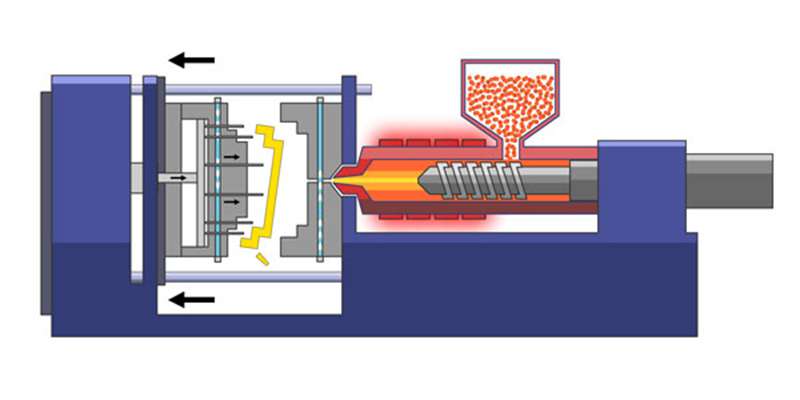
This process is commonly used for casting plastic and rubber parts. Vacuum casting is often utilized for prototyping or small-scale production projects because it is faster and less expensive than other methods, such as injection molding or 3D printing.
When compared to traditional casting methods – such as sand casting and die casting – vacuum casting stands out due to its ability to produce high-quality parts with fine details and reduced material waste. Sand casting, while suitable for larger production runs, often results in surface imperfections and requires extensive finishing. Die casting, on the other hand, is optimal for high-volume manufacturing but entails significant upfront costs and longer tooling lead times.
II. Materials Used in Vacuum Casting
A. Mold Materials
Mold materials in vacuum casting serve as the foundation for shaping the final parts. They determine the precision and surface finish of the cast parts, as well as the lifespan of the mold. Below are some commonly used mold materials:
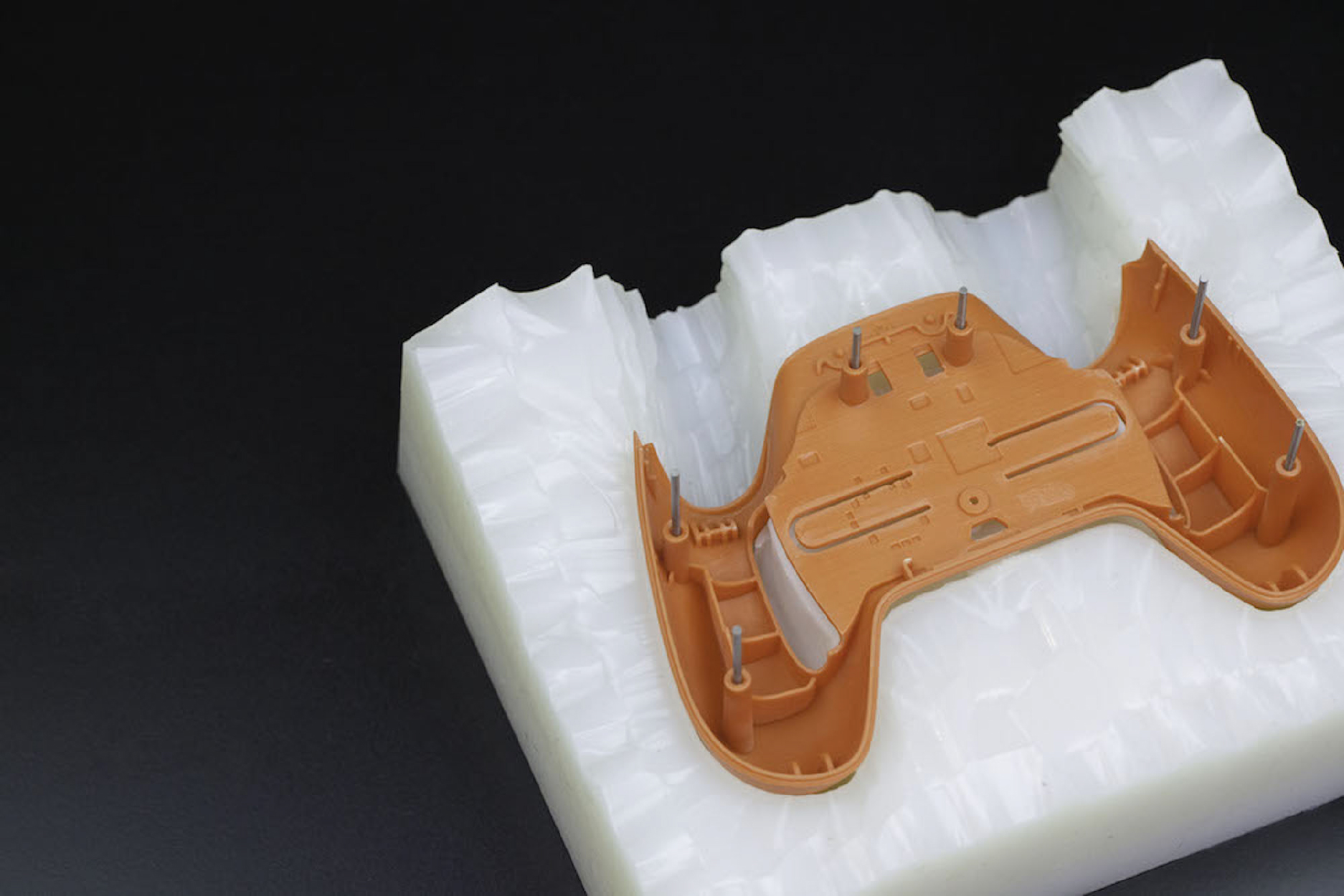
1. Silicone Rubber: Silicone is the most popular material for vacuum casting molds due to its excellent flexibility and heat resistance. These properties allow for easy demolding of parts and enable the replication of intricate details. Silicone molds can withstand multiple uses, making them ideal for low to medium volume production runs.
2. Polyurethane Materials: Polyurethane molds are another option for vacuum casting, offering greater hardness and durability compared to silicone. While primarily suitable for applications requiring higher precision, they take longer to demold due to their rigidity.
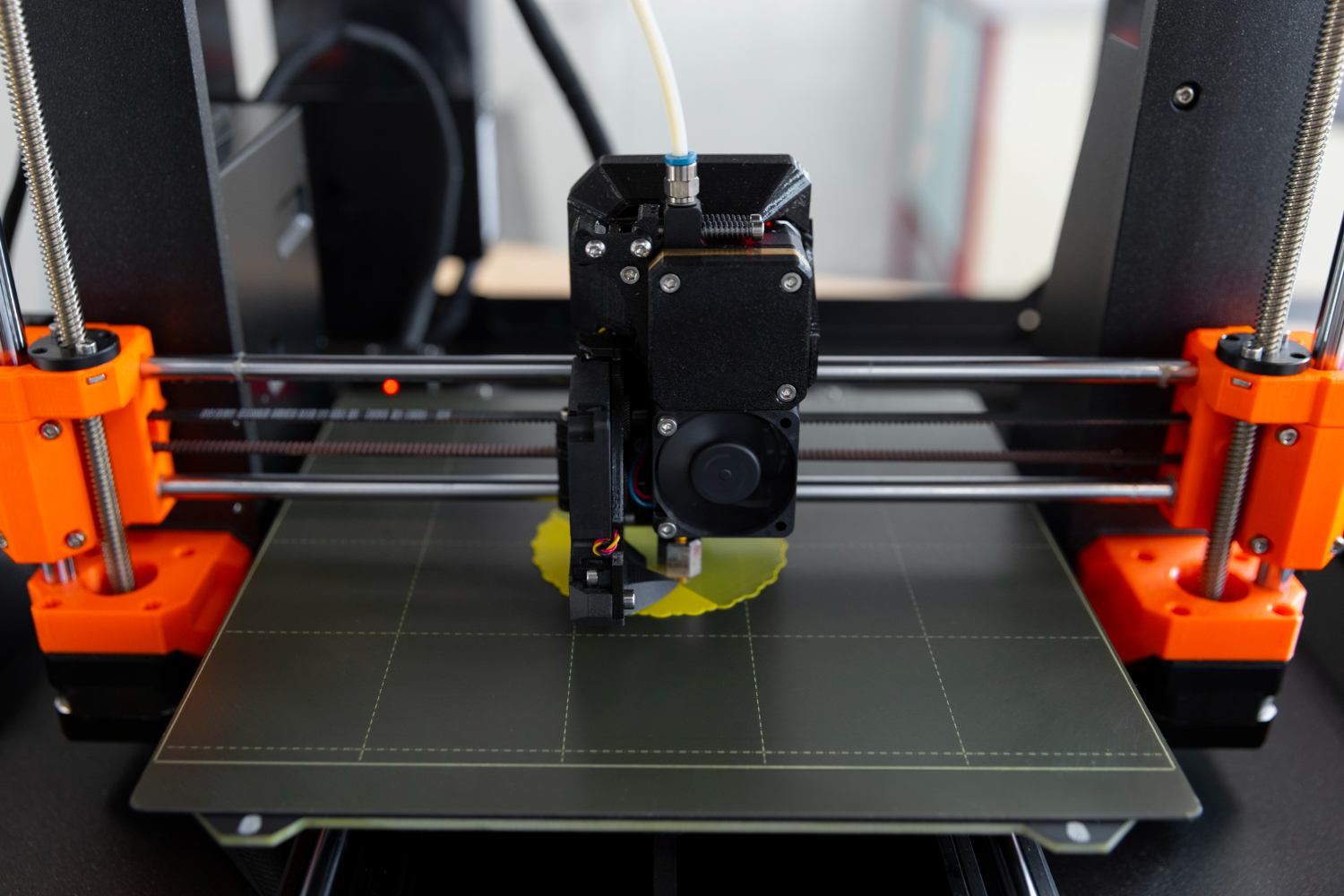
3. 3D Printed Molds: The advent of 3D printing technology has enabled the creation of complex molds that would be difficult to design using traditional methods. 3D printed molds can be made from various materials, allowing for mold creation without the need for a prototype.
B. Casting Materials
The casting materials used in vacuum casting determine the physical and aesthetic properties of the final product. A variety of materials can be used, each with its own characteristics:
1. Polyurethane Resins: Polyurethane resins are predominantly used in vacuum casting due to their versatility and ability to closely mimic the properties of thermoplastics. They offer a range of hardness levels and can be customized with additives to enhance features such as impact resistance, UV stability, and color variation.
2. Epoxy Resins: Epoxy resins are known for their superior adhesion, chemical resistance, and mechanical strength. They are particularly useful in applications requiring high-performance parts, such as aerospace and automotive components. However, they generally have longer cure times compared to polyurethane resins.
3. Silicone Materials: Similar to molds, silicone can also be used as a casting material when flexibility and detailed replication are crucial. Silicone castings are often used in applications such as product prototypes or soft-touch parts, where haptic quality is essential.
III. The Vacuum Casting Process
A. Vacuum Casting Procedure
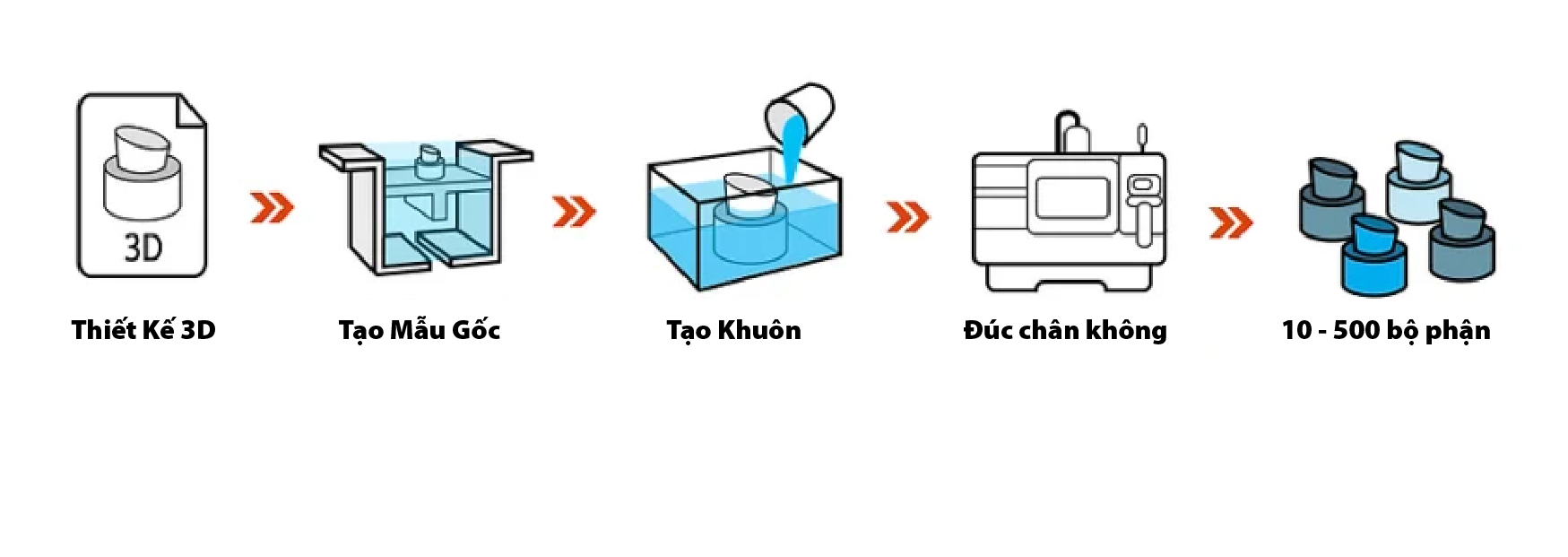
1. Master Model Creation
Previously, CNC machining was used to fabricate models; but with the advent of 3D printing technology, model creation has become much faster and more cost-effective.
2. Mold Creation
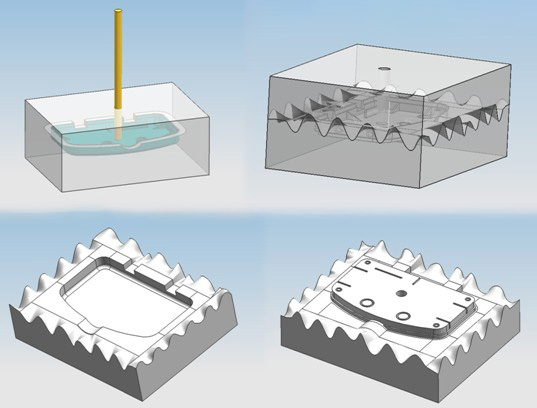
The master model is suspended in a casting box; then liquid silicone is poured around it, filling all the details. After solidification, the mold is split in two and the master model is removed.
3. Material Mixing and Pouring
Two-component resin is thoroughly mixed according to the ratio, along with the desired colorant.
A vacuum pump is used to extract all air bubbles from the material before pouring it into the mold. The vacuum pump is used to create negative pressure in the mold, facilitating the removal of air and ensuring that the liquid material can flow smoothly into the mold.
The creation of bubble-free castings is essential to obtain parts with excellent mechanical properties and aesthetics, as any trapped air can lead to weak points or surface imperfections in the final product.
4. Demolding
Once the material has been poured into the mold, it needs time to cure, which may involve specific temperature settings and timeframes to achieve the desired hardness and strength.
Demolding must be carried out carefully to avoid damaging the cast part. Techniques such as using mold release agents and adhering to a proper demolding procedure are essential to maintain the integrity of both the mold and the final product.
B. Common Equipment Used in Vacuum Casting
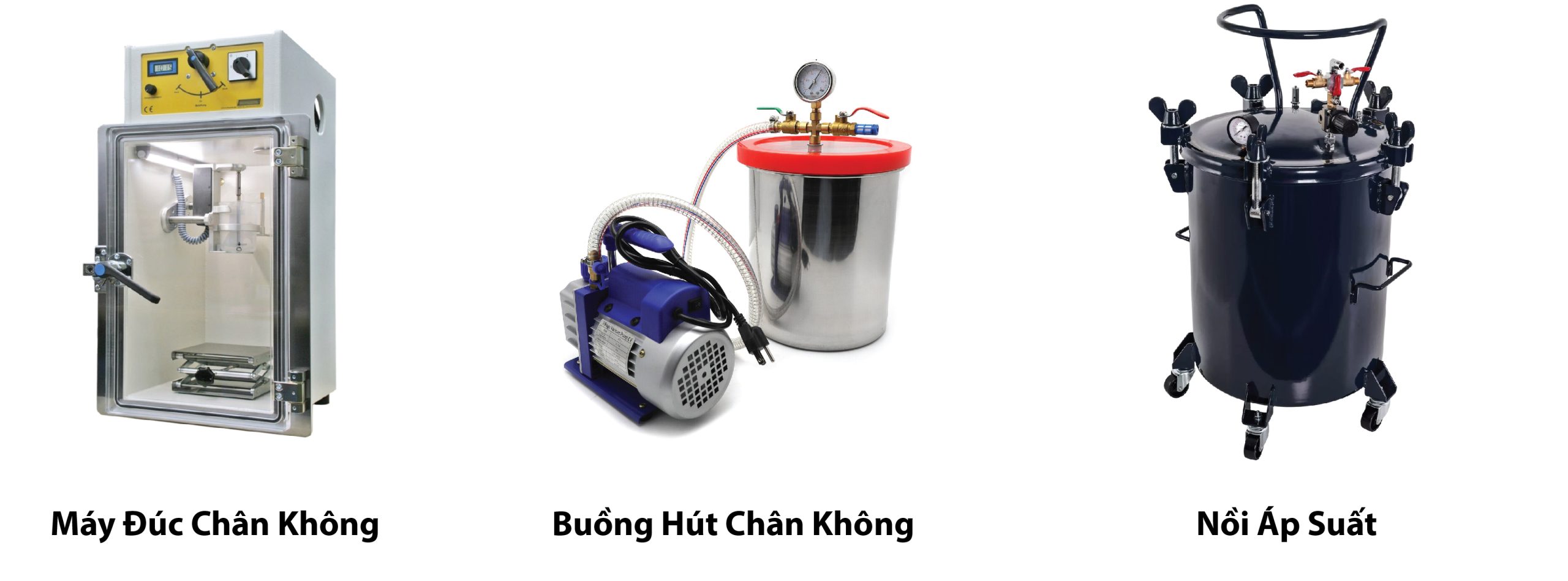
There are 3 types of machines used for vacuum casting:
- Vacuum Casting Machines: These are professional vacuum casting machines that automate the process from mixing, casting to curing. They allow operators to control parameters such as chamber pressure, mixer speed, heating cups, and oven temperature. The latest systems are programmable, enabling operators to create custom sequences to optimize the casting cycle for specific materials and product types. Vacuum casting machines increase production speed and minimize manual labor, however, their cost can be tens of thousands of US dollars.
- Vacuum Degassing Machines: This is a more cost-effective solution compared to vacuum casting machines. Vacuum degassing machines consist of a vacuum chamber and a pump to extract air. The bubble removal speed of this method is quite slow, making it only suitable for resins with slow curing times of 20 minutes or more.
- Pressure Pots: This equipment is slightly more expensive than vacuum degassing machines; however, the efficiency it provides is much better and can be used for resins with fast curing times. Pressure pots work by dissolving air bubbles into smaller particles invisible to the naked eye, creating absolute transparency for the product.
IV. Advantages of Vacuum Casting Technology
A. High Precision and Detail
Ability to capture intricate designs: The vacuum casting process excels at creating parts with complex geometries and fine details due to the flexibility of silicone molds.
Dimensional accuracy consistency: Parts produced through vacuum casting show minimal variation, enhancing quality assurance in the manufacturing process.
B. Cost-effectiveness for Small-Volume Production
Cost comparison with traditional methods: Vacuum casting offers a more economical solution for low-volume production compared to the significant upfront costs for tooling in methods like die casting.
Reduced material waste and lower tooling costs: The process generally generates less waste as it uses flexible molds that can be reused multiple times, leading to savings in both materials and costs.
C. Versatile Applications
Prototyping and product development: Vacuum casting is widely used for rapid prototyping, enabling iterative design processes to refine products before mass production.
Applications across various fields: Industries such as automotive, medical devices, aerospace, and consumer products benefit greatly from the precision and flexibility offered by vacuum casting.
D. Short Lead Times
Quick turnaround from design to production: The ability to rapidly produce prototypes and parts meets customer demands for quick deliveries and market responsiveness.
Benefits for customers needing fast delivery: With shorter lead times, companies can respond faster to market needs, enhancing competitiveness.
V. Limitations of Vacuum Casting Technology
A. Production Volume Limitations
Suitability for low to medium production runs: Vacuum casting performs best with limited production quantities; it is not designed for mass production scenarios.
Not ideal for mass production applications: While vacuum casting is cost-effective for small batches, larger production runs might incur higher costs compared to traditional methods.
B. Surface Finish and Post-processing Needs
Potential for surface defects: While vacuum casting reduces air entrapment, there can still be surface imperfections that require further finishing.
Necessity of additional finishing processes: Depending on the application, post-processing steps (e.g., sanding, painting) might be needed to achieve the desired surface quality.
C. Material Limitations
Restrictions on types of castable materials: Not all materials are suitable for vacuum casting, which can limit the range of applications.
Performance limitations of certain resins: Some cast resins may have limitations in mechanical or thermal performance that need to be considered during the design phase.
VI. Industrial Applications of Vacuum Casting
A. Prototyping and Product Development
Use in Design Validation and Functional Testing: Many companies use vacuum casting
for prototype testing, enabling feedback and adjustments before large-scale production.
Role in iterative design processes: The speed of vacuum casting allows for rapid iteration, supporting continuous improvement in design.
B. Small-Volume Production
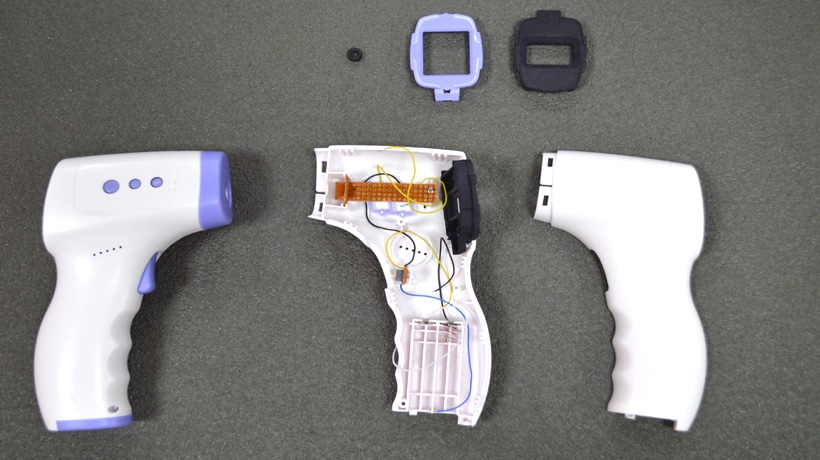
Custom parts for niche markets: Vacuum casting enables manufacturers to produce specialized parts tailored for specific applications or markets.
Examples from various fields: The automotive and aerospace industries use vacuum casting for parts requiring unique specifications or designs that are not cost-effective for mass production.
C. Education and Research
Design and engineering students benefit from hands-on experiences that allow them to develop essential skills in prototyping and understanding material properties. By utilizing vacuum casting technology, students gain a deeper insight into manufacturing processes, learning how to translate theoretical concepts into tangible outcomes.
Research and development teams also leverage vacuum casting's capabilities to accelerate their innovation efforts. The ability to create functional prototypes rapidly enables researchers to move from theoretical models to practical experimentation with ease. This helps reduce the time-to-market for new technologies and expands the scope of testing scenarios available to R&D teams. Furthermore, the capacity to produce prototypes with various materials and finishes enhances the range of testing scenarios for R&D teams.
VII. Conclusion
Vacuum casting contributes significantly to innovation and efficiency in manufacturing industries. As technology continues to evolve, the potential for further development and application of vacuum casting is very promising. This method not only meets the needs of modern product development but also paves the way for future innovations in manufacturing practices that demand adaptability and precision.