In the field of manufacturing and prototyping, 3D printing has emerged as a revolutionary technology that has transformed the way we create objects. At its core, 3D printing, also known as additive manufacturing, involves building three-dimensional objects layer by layer from digital models. In particular, plastic 3D printing has gained significant traction due to its versatility, cost-effectiveness, and ease of use. In this article, we will explore the 4 most popular plastic 3D printing technologies today.
(See more: Exploring Plastic 3D Printing Technology)
I. Fused Deposition Modeling (FDM)
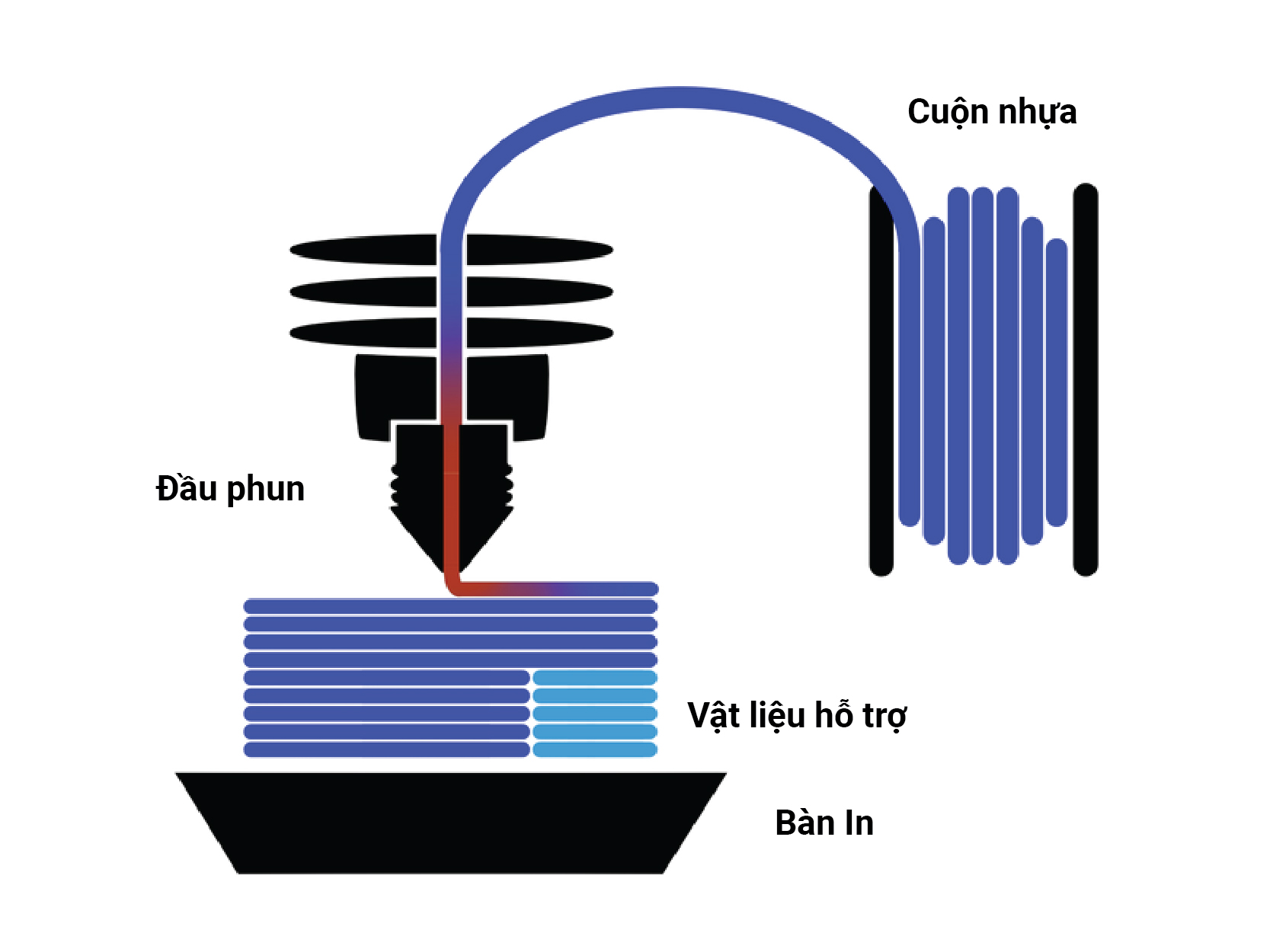
Fused Deposition Modeling (FDM) is a widely used 3D printing technique that involves extruding thermoplastic filaments layer by layer to create solid objects. The process begins by slicing the 3D model of the design into thin layers, then the printer starts printing each layer until the product is complete. This method requires printing support parts to enable the printing of overhanging angles or voids, as printing cannot be done in mid-air.
FDM is known for its simplicity, affordability, and wide range of compatible materials. It enables rapid prototyping, functional testing, and low-volume production. Additionally, FDM printers are user-friendly and widely available for both professional and hobbyist use.
II. Stereolithography (SLA)
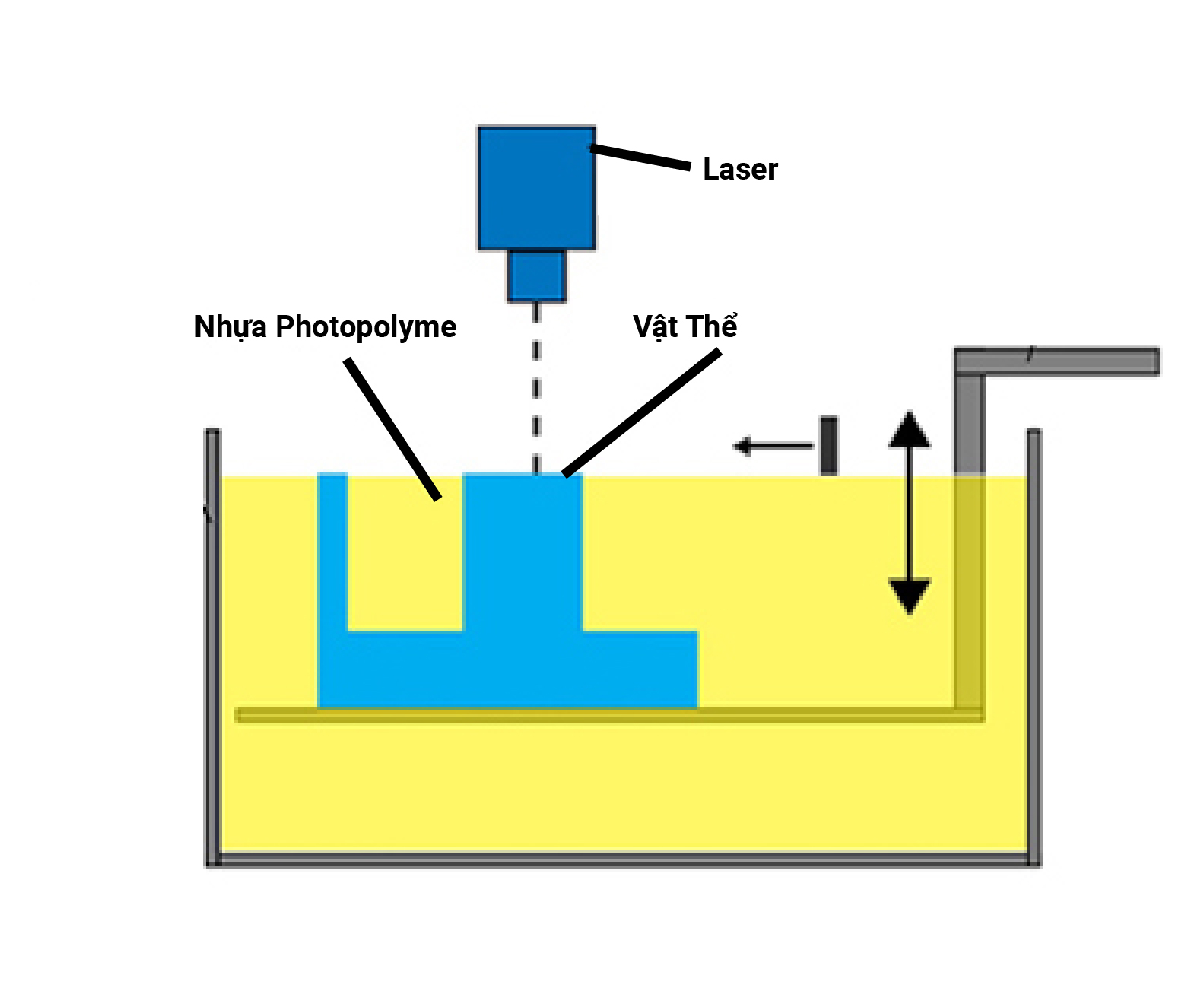
Stereolithography (SLA) is a liquid resin-based 3D printing process that uses UV light to cure layers of liquid photopolymer resin. SLA technology produces high-resolution parts with smooth surface finishes, ideal for applications requiring intricate details and fine features.
SLA offers exceptional accuracy, detailed resolution, and surface quality, making it suitable for prototyping, jewelry making, and dental applications. This technology excels at creating complex geometries with minimal post-processing requirements.
III. Selective Laser Sintering (SLS)
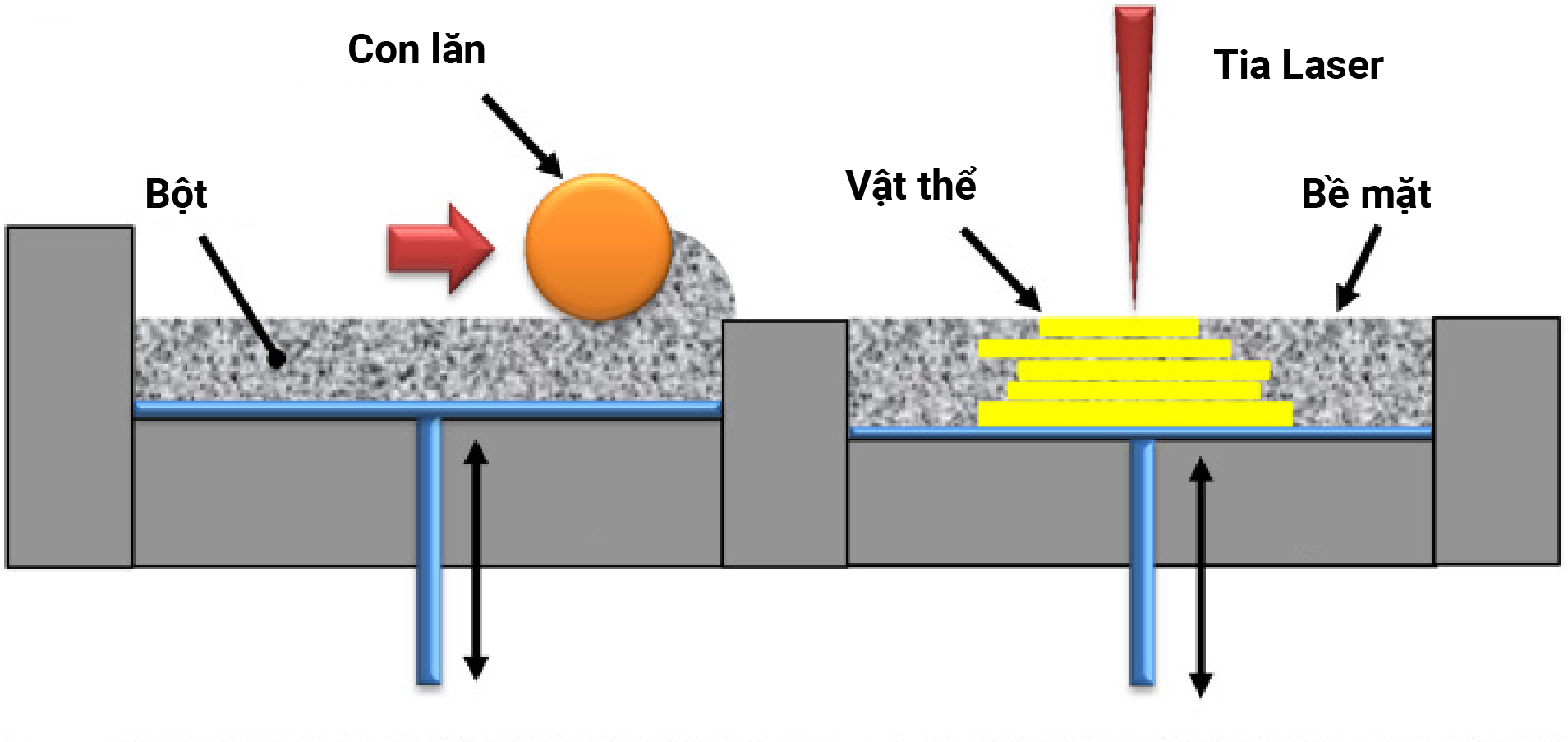
Selective Laser Sintering (SLS) is a powder-based 3D printing process that uses a high-power laser to fuse layers of powdered thermoplastic material. The SLS printing process is carried out in a sealed print chamber, ensuring that the printing process is not subject to any external influences. Plastic powder is spread in a thin layer, then the laser fuses the material layer, and the process is repeated until completion. The excess unfused powder can be reused. SLS eliminates the need for support structures, allowing for the production of complex functional parts with high mechanical properties.
SLS is renowned for its material versatility, part strength, and geometric freedom. It is commonly used in the aerospace, automotive, and medical industries for producing end-use parts, tools, and components with excellent durability and heat resistance.
IV. Material Jetting
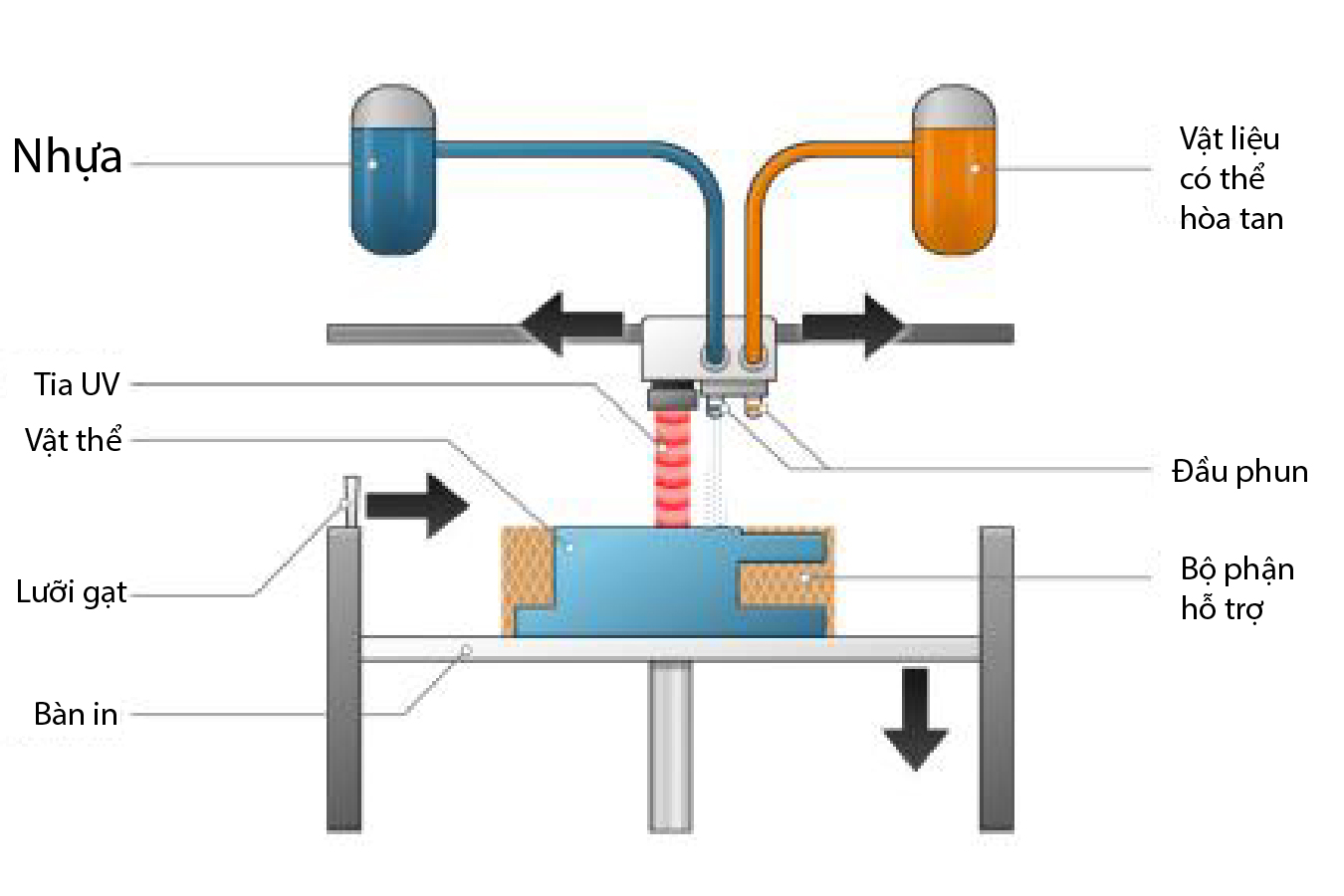
Material Jetting (MJ) is a 3D printing technology that deposits droplets of liquid photopolymer resin onto a build platform using an inkjet print head. The resin is then cured by UV light to create solid layers, producing parts with exceptional surface finish and fine details.
MJ excels at producing multi-material, full-color parts with high precision and resolution. It is ideal for rapid prototyping, architectural models, and medical devices that require complex designs and vibrant colors.
V. Future Trends in Plastic 3D Printing
Looking ahead, the future of plastic 3D printing holds immense exciting possibilities. Emerging technologies such as Continuous Liquid Interface Production (CLIP) and multi-material printing are set to further revolutionize the industry. Advancements in materials, including biodegradable and high-performance polymers, will expand the capabilities of 3D printing across various sectors.
VI. Conclusion
In conclusion, plastic 3D printing technology has opened up a world of opportunities for innovation and creativity. Its ability to rapidly prototype, customize designs, and create complex geometries has transformed traditional manufacturing processes. As we look towards the future, the importance of embracing these technologies and staying abreast of the latest advancements is undeniable. Plastic 3D printing is not just a tool; it is a catalyst for change, shaping how we design and produce products for years to come.