In the rapidly evolving industrial landscape, pressure forming technology has emerged as a key method in the plastics industry. This technique, which uses air pressure to shape and form thermoplastics and thermosets, plays a crucial role in the production of complex, high-quality parts. The importance of the plastics industry itself cannot be overstated, given its impact on countless sectors including automotive, healthcare, consumer products, and more. This article aims to explore pressure forming technology, highlighting its process, applications, advantages, limitations, and future trends.
I. Overview of Pressure Forming Technology
A. Process Description
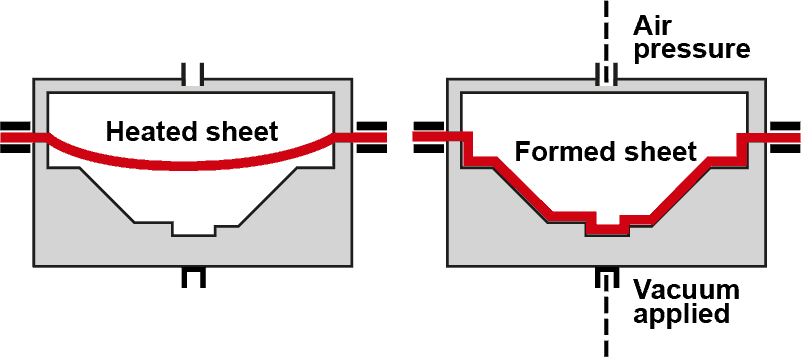
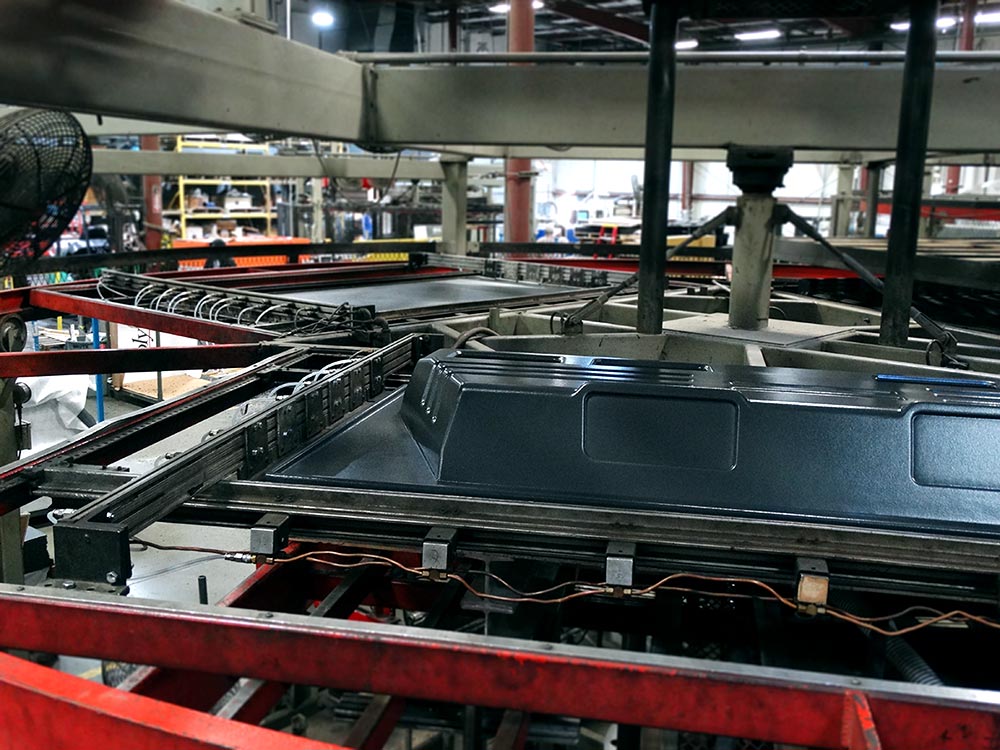
Essentially, pressure forming involves the use of heated plastic sheets. When the heated material reaches a specific forming temperature, it is drawn into a mold using differential air pressure, forming the desired shape with high precision.
1. Pressure Forming Mechanism
The process begins with a pre-heated plastic sheet placed over the mold. Once the plastic sheet reaches the appropriate temperature—typically between 300°F and 500°F (149°C and 260°C)—air pressure is applied to gently press the heated plastic into the mold to form the desired shape with high precision. The advantage of this method is that it produces details and more uniform thickness compared to traditional techniques.
2. Equipment and Tools Used
The essential tools of pressure forming technology include:
- Oven or Pre-heating Unit: For uniformly heating plastic sheets before forming.
- Molding Equipment: A robust mold capable of withstanding high pressure while maintaining shape integrity.
- Pressure Control System: Precisely regulates the air pressure applied during the forming process.
- Cooling System: Ensures molded parts are adequately and uniformly cooled to retain their desired properties.
B. Types of Materials Suitable for Pressure Forming
1. Thermoplastics
Thermoplastics are the most common materials used in pressure forming due to their ability to be repeatedly shaped when heated. Materials such as ABS, polycarbonate, and polyolefins offer excellent strength and flexibility, suitable for various applications.
2. Thermosets
Although less common, some thermoset plastics can also be processed using pressure forming techniques. These materials solidify when heated and cure, making them ideal for applications requiring high heat resistance and rigidity after forming.
III. Advantages of Pressure Forming Technology
The adoption of pressure forming technology offers a myriad of advantages in the plastics industry:
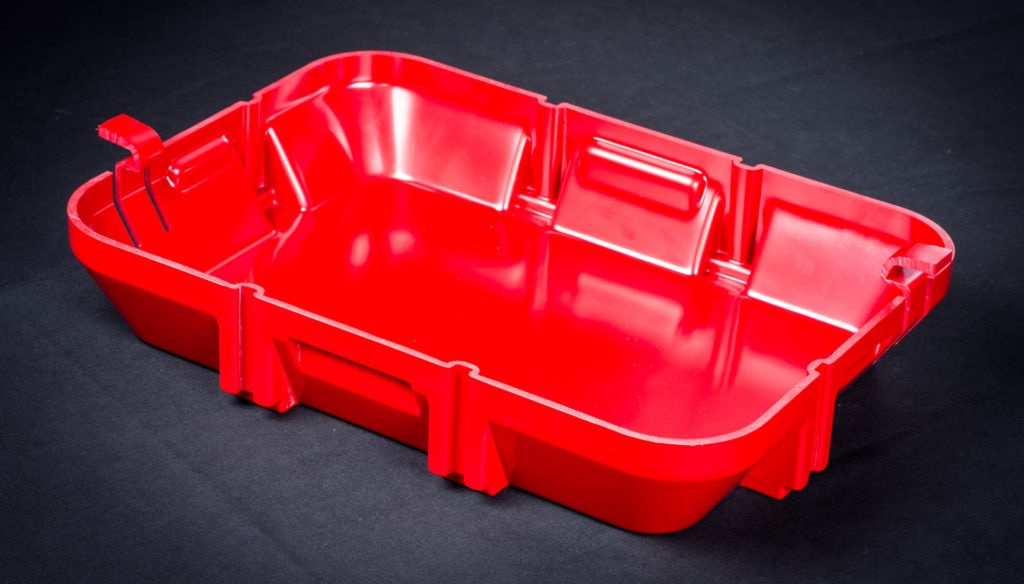
- Improved Precision: Pressure forming is capable of producing parts with deep contours with incredible precision. The high-pressure environment firmly presses the plastic into the mold, capturing every detail and minimizing material distortion.
- Enhanced Surface Finish: The pressure forming process yields a smoother surface finish compared to other forming techniques, reducing the need for post-processing and finishing.
- Greater Design Flexibility: With pressure forming, designers have greater flexibility in creating complex shapes. This capability allows for the production of intricate parts that may be necessary in specialized applications across various sectors.
- Efficient Material Utilization: Unlike traditional molding methods that can lead to excessive trimming and waste, pressure forming allows for efficient material use, reducing production costs.
- Cost-Effectiveness in Production Runs: For medium to large production runs, pressure forming can significantly reduce costs due to its efficiency and low scrap rates, thereby maximizing return on investment.
IV. Applications of Pressure Forming Technology in the Plastics Industry
A. Automotive Industry
Pressure forming technology has found strong applications in the automotive industry, offering numerous benefits:
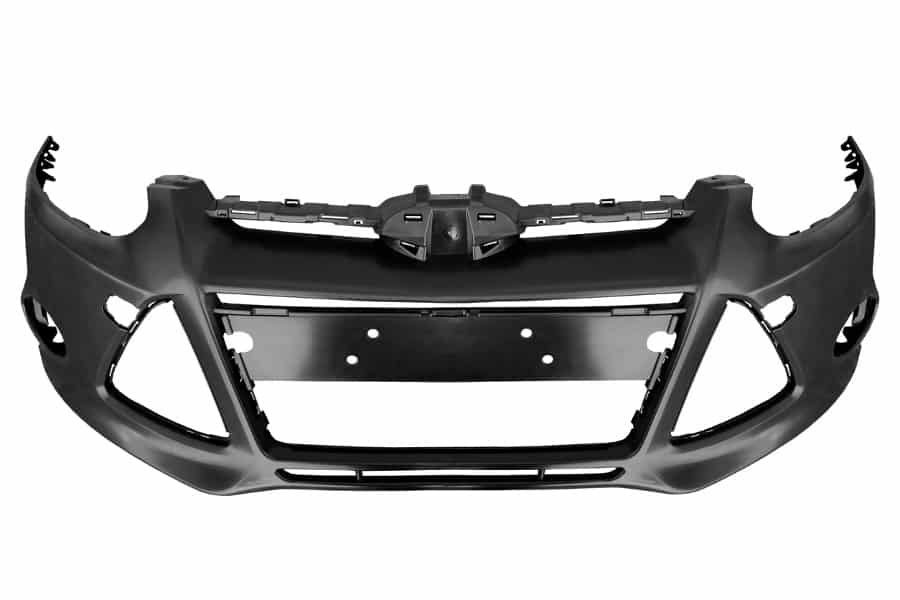
- Interior and Exterior Components: From dashboards to exterior body panels, pressure-formed components provide lightweight and durable alternatives that can enhance vehicle performance and aesthetics.
- Vehicle Weight Reduction: As automotive manufacturers strive to improve fuel efficiency, pressure forming enables the production of lightweight parts without compromising durability, contributing to automotive weight reduction strategies.
B. Consumer Products
In the consumer goods sector, pressure forming is used in a variety of applications:
- Packaging Solutions: This technology is driving the production of high-quality packaging solutions that are both attractive and functional, suitable for food, electronics, and other consumer products.
- Household Goods: Products such as containers, storage solutions, and home decor items benefit from the aesthetic and practical advantages offered by pressure forming.
C. Medical Devices
Pressure forming technology is crucial in the manufacturing of medical devices, where adherence to regulatory standards and customization for specific applications are paramount.
- Compliance with Regulatory Standards: Medical device manufacturers adhere to meticulous regulatory standards; pressure forming enables the creation of parts that meet such stringent requirements while ensuring reliability and safety.
- Customization for Specific Applications: Tailored solutions for unique medical applications can be achieved through pressure forming, increasing the efficiency and effectiveness of medical treatments.
V. Limitations and Challenges
While pressure forming technology offers many advantages, certain limitations and challenges need to be considered:
- Equipment Cost and Initial Investment: The initial investment for pressure forming equipment and machinery can be substantial, posing a barrier for small manufacturers and startups.
- Material Limitations: Not all materials are suitable for pressure forming; selecting the wrong type or grade of plastic can lead to insufficient performance or defective products.
- Complexity in Production Setup: Setting up production can be complex and requires skilled personnel to manage equipment, processes, and quality control.
VI. Future Trends of Pressure Forming Technology
A. Technological Advancements
The future of pressure forming technology is closely tied to advancements in technology, including:
- Automation and Robotics: Integrating automation and robotics into the pressure forming process can enhance efficiency, ensure consistency, and reduce labor costs.
- Advanced Material Development: Ongoing research and development in material science promise new possibilities for pressure forming, potentially expanding the range of materials that can be used effectively.
B. Sustainability Considerations
The growing importance of sustainability in the plastics industry drives trends towards:
- Use of Recycled Materials: Developing methods to incorporate recycled plastics into the pressure forming process not only helps reduce waste but also strengthens the circular economy.
- Waste Reduction: Innovations aimed at minimizing waste during the pressure forming process align with environmental goals, targeting a more environmentally conscious consumer base.
VII. Conclusion
In conclusion, pressure forming technology offers a transformative approach in the plastics industry, enabling the production of detailed, high-quality components for a variety of applications. As technology and materials continue to evolve, the role of pressure forming will undoubtedly expand, solidifying its importance in the future of manufacturing. Continued research and development are essential to harness the full potential of this technology, driving innovations that will shape the plastics industry for generations to come.