Plastic injection molds play a vital role in plastic injection molding technology, enabling mass production of plastic parts with high precision and consistency. In this article, we will explore various aspects of plastic injection molds, including their components, types, processes, advantages, applications, and maintenance.
I. Introduction
A. Definition of Plastic Injection Molds
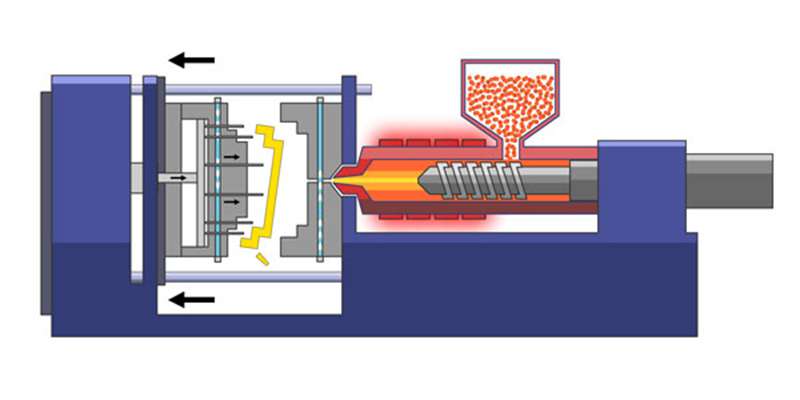
Plastic injection molds are tools used in the injection molding process to produce plastic parts. These molds are typically made of steel and are designed to shape molten plastic material into a specific form. The process involves injecting plastic material into the mold cavity, allowing it to cool and solidify, and then ejecting the finished part. Injection molds are widely used in various industries such as automotive, electronics, and consumer goods for mass production of plastic components. They play a crucial role in achieving high precision and consistency in the manufacturing process.
B. Importance of Molds in Plastic Injection Molding Technology
Molds are one of the most critical factors in the plastic injection molding process. They are responsible for shaping the molten plastic material into the desired form, ensuring accuracy and consistency in the final product. The design and quality of the mold greatly influence the efficiency and overall quality of the manufacturing process. Additionally, molds can be customized to create complex shapes and designs, making them indispensable for producing intricate components.
(See more: Basic knowledge about injection molding technology in the plastic industry)
II. Components of a Plastic Injection Mold
A. Mold Base
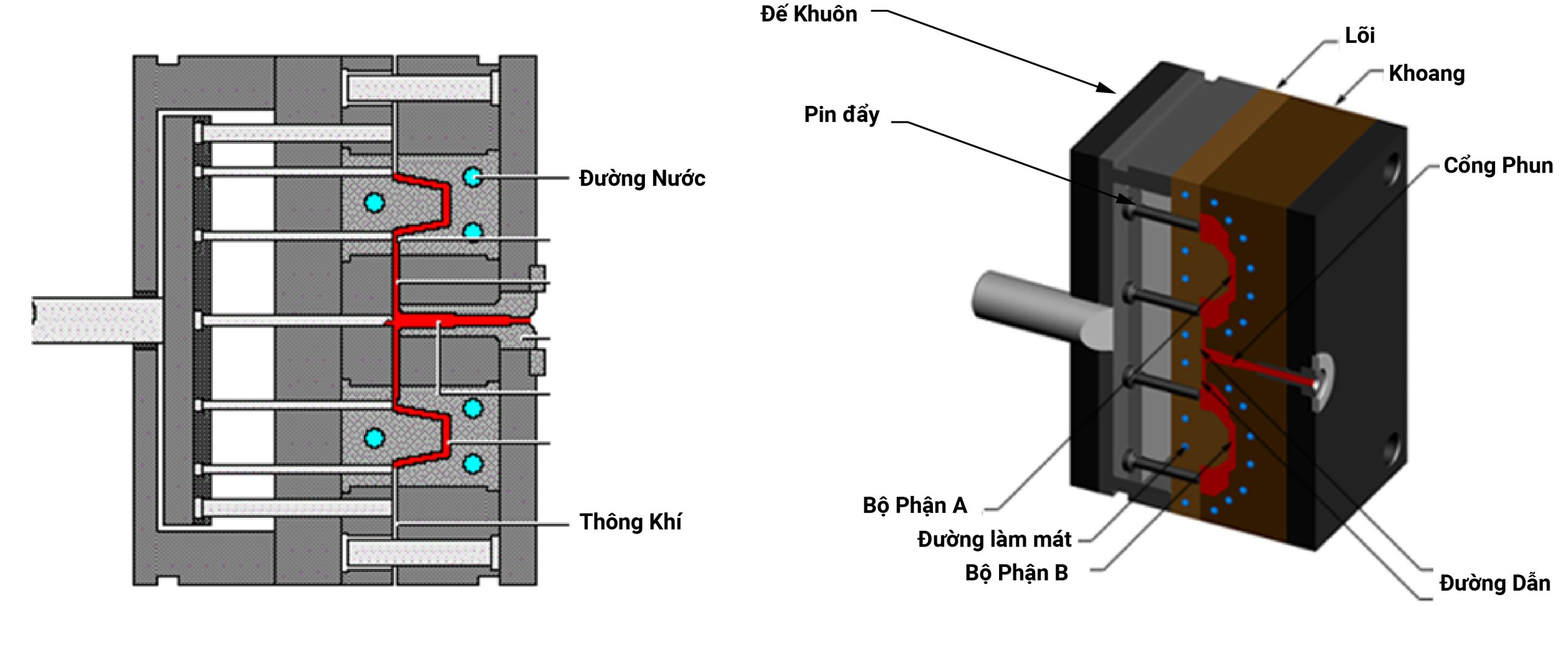
The mold base is the foundation of the injection mold and provides support for all other components. It is typically made of steel or aluminum and serves as the platform for mounting cavities, cores, and other parts. The mold base also houses the cooling and ejection systems. The design and construction of the mold base are crucial for ensuring the precision of the final molded parts.
B. Cavities and Cores
Cavities and cores are the main components of a mold that determine the shape and features of the molded part. The cavities are the spaces into which molten plastic is injected, while the cores are solid inserts that form the internal features of the part. Cavities and cores are typically made of hardened steel to withstand the high pressures and temperatures of the injection molding process. The design and alignment of the cavities and cores are critical for achieving the desired part dimensions and surface finish.
C. Cooling System
The cooling system is essential for controlling the temperature of the mold during the injection molding process. Proper cooling helps to solidify the plastic material quickly and uniformly, reducing cycle time and improving part quality. The cooling system typically consists of channels or passages through which a coolant (usually water) flows to remove heat from the mold. Efficient cooling is crucial for preventing warping, sink marks, and other defects in molded parts.
D. Ejection System
The ejection system is responsible for removing the molded parts from the mold once they have cooled and solidified. It typically consists of ejector pins or plates that push the parts out of the cavity. The ejection system must be carefully designed to ensure that parts are ejected without damage and without sticking to the mold. Proper alignment and timing of the ejection system are crucial for consistent production and preventing delays.
III. Types of Plastic Injection Molds
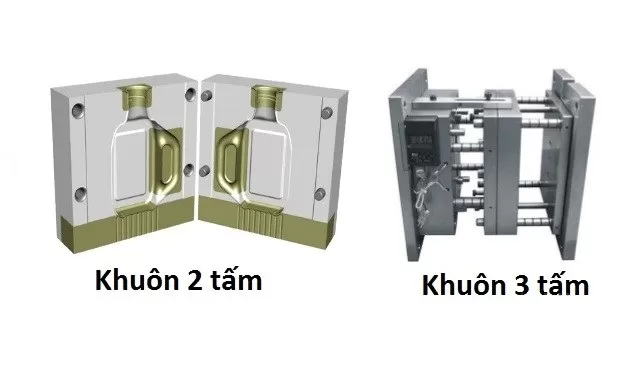
A. 2-Plate Molds
2-plate molds are the most common type of injection mold used in plastic injection molding. It consists of two plates clamped together to form a cavity that is filled with molten plastic material. Once the material has cooled and solidified, the mold is opened, and the finished part is ejected. Two-plate molds have a simple design and are suitable for producing a wide range of plastic products.
B. 3-Plate Molds
3-plate molds are similar to two-plate molds but have an additional plate that allows the finished part to be ejected without the need for additional ejector pins. This type of mold is typically used for more complex parts that require multiple gating points.
C. Hot Runner Molds
Hot runner molds are used to eliminate the need for sprues and runners, which are channels that deliver molten plastic material to the mold cavity. Instead, a heated manifold system is used to deliver the material directly to the mold cavity, resulting in less waste and faster cycle times. Hot runner molds are ideal for high-volume production and can help reduce manufacturing costs.
D. Cold Runner Molds
Cold runner molds are the opposite of hot runner molds, as they use a system of runners to deliver molten plastic material to the mold cavity. While cold runner molds can generate more waste and have longer cycle times, they are often more cost-effective for smaller production runs.
IV. Materials for Plastic Injection Molds
V. Maintenance and Care of Plastic Injection Molds
A. Regular Cleaning and Inspection
Regular cleaning and inspection of plastic injection molds are essential to prevent the buildup of residue and ensure the quality of the final product. Residue can accumulate on the mold surface during the injection molding process, leading to defects in the finished product. To clean the mold, it is important to use appropriate cleaning solutions that will not damage the mold surface. Regular inspection of the mold for any signs of wear or damage is also crucial to prevent any issues during production. Any problems should be addressed promptly to avoid further damage to the mold.
B. Lubrication of Moving Parts
Proper lubrication of moving parts in plastic injection molds is critical to ensure smooth operation and prevent premature wear. Lubrication helps reduce friction between moving parts, allowing them to move freely and preventing damage. It is important to use the correct type of lubricant for the specific parts of the mold, as using the wrong lubricant can cause damage to the mold. Regular lubrication of moving parts should be part of the plastic injection mold maintenance routine to ensure their optimal performance.
C. Storage and Handling Guidelines
Proper storage and handling of plastic injection molds are crucial to prevent damage and ensure their longevity. Molds should be stored in a clean and dry environment to prevent corrosion and contamination. They should be stored in a way that prevents any deformation or damage to the mold surface. When handling molds, it is important to use appropriate lifting equipment to prevent any accidents or damage to the mold. Molds should be handled with care to avoid any scratches or dents that could affect the quality of the final product.
VI. Conclusion
Plastic injection molds are a critical component in the plastic injection molding manufacturing process. They directly affect the shape, structure, quality, and final finish of the product.
Proper maintenance and care of these molds are essential to ensure their longevity and efficiency. Regular cleaning, inspection, and repair can help prevent costly downtime and production delays.