I. Introduction
A. What is 3D Plastic Printing Technology?
3D plastic printing technology, also known as additive manufacturing, is a revolutionary process that involves creating three-dimensional objects by successively layering molten plastic material based on a digital design. This advanced technology has transformed how products are designed, prototyped, and manufactured across various industries.
B. Brief History and Development of 3D Printing
The origins of 3D printing can be traced back to the 1980s when Chuck Hull invented stereolithography, the first 3D printing technology. Since then, 3D printing has undergone significant advancements, leading to the development of various techniques and materials for printing objects with intricate designs and complex geometries.
C. Importance and Applications of 3D Plastic Printing Technology
3D plastic printing technology plays a crucial role in enabling innovation, streamlining manufacturing processes, and fostering creativity in industries ranging from healthcare and aerospace to consumer goods and education. Its applications span from rapid prototyping and on-demand production to creating bespoke medical implants and intricate fashion accessories.
II. How 3D Plastic Printing Works
A. Overview of the 3D Plastic Printing Process
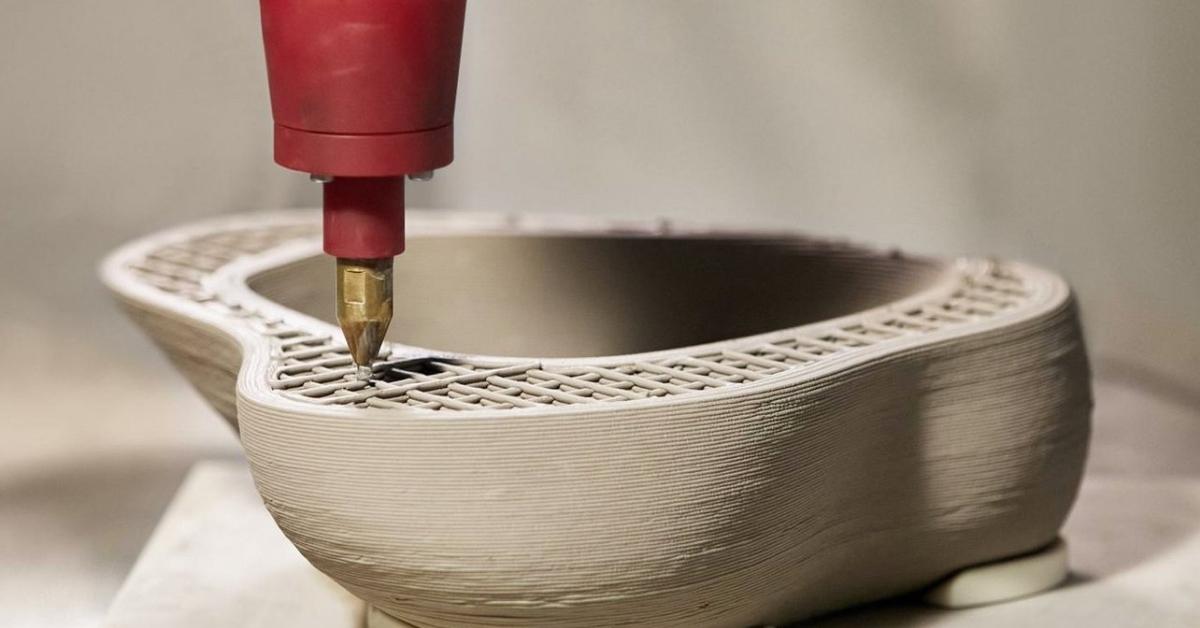
The 3D plastic printing process begins with a digital model of the object to be printed, which is sliced into thin layers. The printer then deposits successive layers of molten plastic material, which solidify to form the final object. This layer-by-layer approach allows for the creation of complex shapes and structures that would be difficult or impossible to achieve with traditional manufacturing methods.
B. 3D Printing Technologies Used for Plastic Printing
There are several types of 3D printing technologies used for plastic printing, including Fused Deposition Modeling (FDM), Stereolithography (SLA), Selective Laser Sintering (SLS), and PolyJet Printing. Each technology has its unique strengths and limitations, making them suitable for different applications and industries.
(See more: 4 Most Popular 3D Plastic Printing Technologies Today)
C. Materials Used in 3D Plastic Printing
A wide range of plastic materials can be used in 3D printing, including ABS, PLA, PETG, and Nylon. These materials offer diverse properties such as strength, flexibility, and heat resistance, making them suitable for various applications. Advancements in material science have led to the development of composite materials and biodegradable plastics, further expanding the possibilities of 3D plastic printing.
III. Advantages of 3D Plastic Printing
A. Customization and Design Flexibility
One of the main advantages of 3D plastic printing is the ability to customize designs according to specific requirements. This level of design flexibility allows for the creation of personalized products and prototypes tailored to individual needs, leading to enhanced creativity and innovation.
B. Rapid Prototyping and Manufacturing
3D plastic printing enables rapid prototyping, allowing designers and engineers to quickly iterate on designs and test ideas before moving to mass production. This accelerated design cycle reduces time-to-market and enables companies to respond swiftly to changing market demands, giving them a competitive edge.
C. Cost-Effectiveness and Sustainability
3D plastic printing offers cost-effective manufacturing solutions by reducing material waste, tooling costs, and production time. Additionally, the ability to produce on-demand and in small batches minimizes inventory and transportation costs, making it a sustainable alternative to traditional manufacturing methods.
IV. Challenges and Limitations
A. Quality Control and Accuracy
Maintaining consistent quality and accuracy in 3D plastic printing can be challenging due to factors such as layer adhesion, surface finish, and dimensional precision. Implementing quality control measures and optimizing printing parameters are essential to ensure the production of high-quality parts.
B. Post-Processing Requirements
Post-processing is often required to improve the surface finish, mechanical properties, and aesthetics of 3D printed parts. Processes such as sanding, painting, and polishing may be necessary to achieve the desired final result, adding time and complexity to the overall manufacturing process.
C. Size Limitations and Material Restrictions
3D plastic printing has inherent limitations regarding build volume and material compatibility. Large-scale objects may require specialized equipment or assembly from multiple parts, while certain materials may not be suitable for specific applications due to their properties or printing requirements.
V. Applications of 3D Plastic Printing Technology
A. Medical and Healthcare Industry
3D plastic printing has revolutionized healthcare and medical technology by enabling the production of custom implants, prosthetics, and surgical guides. This technology has transformed patient care by providing personalized solutions that improve treatment outcomes and patient comfort.
B. Aerospace and Automotive Sectors
In the aerospace and automotive sectors, 3D plastic printing is used to manufacture lightweight, complex-geometry parts and prototypes for testing and validation. This technology has streamlined design and manufacturing processes, leading to enhanced performance, fuel efficiency, and cost savings.
C. Consumer Goods and Fashion Industry
The consumer goods and fashion industries have embraced 3D plastic printing to create customized products, jewelry, accessories, and footwear. This technology allows designers to unleash their creativity and cater to individual preferences, leading to the rise of sustainable and customizable fashion trends.
D. Education and Research Fields
3D plastic printing has become an invaluable tool in education and research, enabling students, scientists, and researchers to explore concepts, visualize data, and conduct experiments in a hands-on manner. This technology fosters innovation, collaboration, and knowledge sharing across disciplines and institutions.
VI. Future Trends and Innovations
A. Advancements in Materials and Technology
The future of 3D plastic printing lies in the development of new materials with enhanced properties, such as high strength, biocompatibility, and electrical conductivity. Emerging technologies, such as multi-material printing, continuous printing, and in-situ monitoring, are poised to revolutionize the capabilities and applications of 3D printing.
B. Integration of 3D Printing with Other Technologies
The integration of 3D printing with other technologies, such as artificial intelligence, robotics, and digital twinning, holds immense potential for creating intelligent, interconnected manufacturing systems. This technological convergence will enable on-demand production, predictive maintenance, and real-time customization, shaping the future of Industry 4.0.
C. Potential Impact on Industries and Society as a Whole
The widespread adoption of 3D plastic printing is expected to have a profound impact on industries and society as a whole. From decentralized manufacturing and personalized healthcare to sustainable practices and circular economies, this technology has the power to drive innovation, economic growth, and societal change on a global scale.
VII. Conclusion
In summary, 3D plastic printing technology offers myriad benefits, including customization, rapid prototyping, cost-effectiveness, and sustainability. Its applications span across diverse industries, from healthcare and aerospace to consumer goods and education, driving innovation and reshaping how products are designed and manufactured.
The importance of 3D plastic printing technology in shaping the future is undeniable. As advancements in materials, technology, and applications continue to evolve, this technology is set to play a pivotal role in driving progress, empowering creativity, and addressing complex challenges in a rapidly changing world.