Plastic film blowing technology has revolutionized the packaging industry, offering flexible and cost-effective solutions for packaging materials. In this article, we will explore the significance of plastic film blowing technology in the packaging industry, the plastic film blowing process, its advantages, applications, environmental impact, and future trends.
I. Introduction
A. Definition of plastic film blowing technology
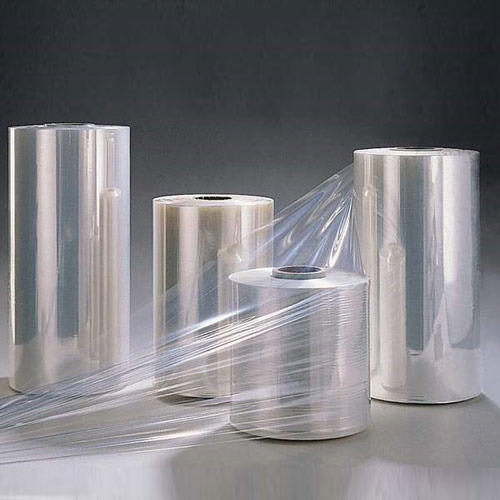
Plastic film blowing technology is a process used in the production of plastic films and plastic bags. It involves melting plastic pellets and extruding them through a circular die to form a molten plastic tube. This tube is then inflated with air to stretch and thin it, creating a thin plastic film. The film can then be cooled and wound into rolls for further processing or packaging. This technology enables the production of plastic films with various thicknesses, sizes, and properties, making it a flexible and widely used method in the packaging industry. Additionally, plastic film blowing technology is cost-effective and efficient, making it a popular choice for manufacturers looking to produce high-quality plastic films.
B. Importance of plastic film blowing in the packaging industry
Plastic film blowing plays a crucial role in the packaging industry by providing flexible and cost-effective solutions for packaging products. The use of plastic films allows for easy customization of packaging size and shape, as well as the creation of barriers against moisture, dust, and other contaminants. Additionally, plastic films are lightweight, which helps reduce shipping costs and minimize environmental impact. Overall, plastic film blowing is essential for the packaging industry to meet the diverse needs of consumers and ensure the protection and preservation of goods during storage and transportation.
II. Overview of the plastic film blowing process
A. Explanation of the process
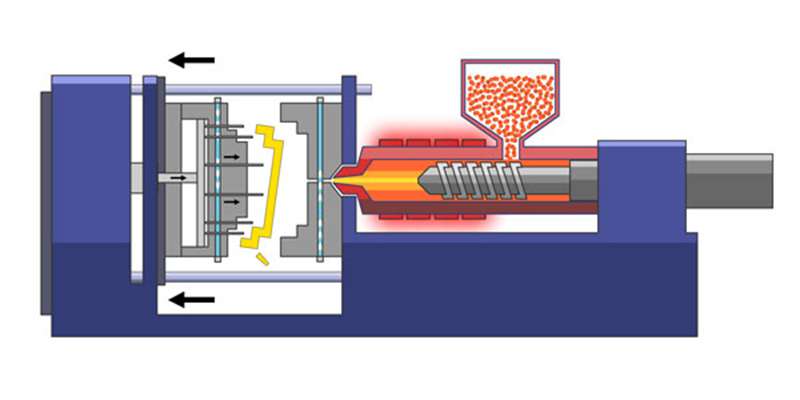
The plastic film blowing process begins with melting plastic pellets in an extruder, which are then forced through a circular die to form a molten plastic tube. Air is blown into the tube to expand it into a bubble, which is then cooled and drawn into a film.
B. Types of plastic materials used
A variety of plastic materials can be used in the film blowing process, including polyethylene (PE), polypropylene (PP), and polyvinyl chloride (PVC). Each type of plastic offers different properties such as flexibility, durability, and barrier capabilities.
C. Equipment used in plastic film blowing
The equipment used in plastic film blowing includes extruders, die heads, air rings, cooling systems, and winding systems. These components work in conjunction to control the thickness, width, and properties of the plastic film.
III. Advantages of plastic film blowing technology in packaging
A. Cost-effectiveness
Plastic film blowing technology is cost-effective compared to other packaging materials such as glass or metal. It allows for high-speed production and minimizes material waste, making it an efficient and economical choice for packaging.
B. Versatility in packaging design
Plastic film blowing technology offers design flexibility, allowing for the production of customized shapes, sizes, and colors for packaging materials. This versatility enables manufacturers to create unique and eye-catching packaging solutions for their products.
C. Durability
Plastic films produced through the film blowing process are highly durable and robust, providing excellent protection for products during storage and transportation. They are resistant to tearing, punctures, and moisture, ensuring the integrity of packaged goods.
IV. Applications of plastic film blowing in the packaging industry
A. Food packaging
Plastic film blowing is widely used in food packaging to protect perishable goods from contamination, spoilage, and tampering. It provides a barrier against oxygen, moisture, and light, extending the shelf life of food products.
B. Industrial packaging
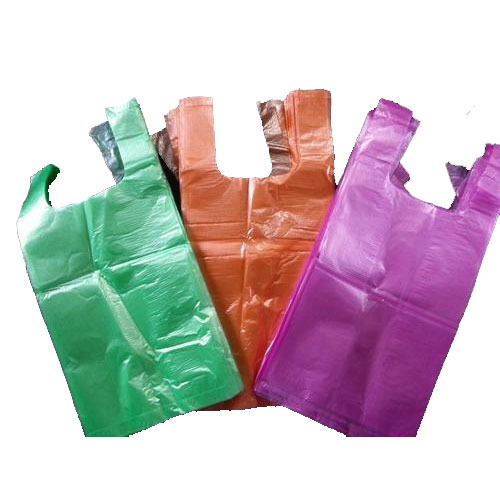
Plastic film blowing is used in industrial packaging to protect goods from damage during transportation and handling. It provides cushioning and insulation properties, ensuring the safe transit of fragile or sensitive items.
C. Medical packaging
Plastic film blowing is essential in medical packaging to maintain the sterility and integrity of medical devices, pharmaceuticals, and healthcare products. It provides a barrier against bacteria, viruses, and contaminants, ensuring the safety of medical supplies.
V. Environmental impact of plastic film blowing technology
A. Challenges in plastic waste management
Plastic film blowing technology has contributed to the global plastic waste crisis, with millions of tons of plastic film waste being generated annually. Improper disposal of plastic films can lead to environmental pollution, marine litter, and harm to wildlife.
B. Innovations in biodegradable plastic films
To address the environmental impact of plastic film blowing technology, manufacturers are developing biodegradable and compostable plastic films made from renewable sources such as plant-based materials. These eco-friendly alternatives offer a sustainable solution to reduce plastic waste and promote circular economy practices.