Plastic products play an important role in our daily lives, from basic everyday items to high-tech components and devices. They are lightweight, durable, and versatile, making them essential for modern living. So, have you ever wondered how plastic products are manufactured? The article below will provide basic knowledge about the 5 most common plastic product manufacturing methods today.
I. Injection Molding
Plastic injection molding is one of the most widely used manufacturing methods, capable of producing a wide range of products across various industries.
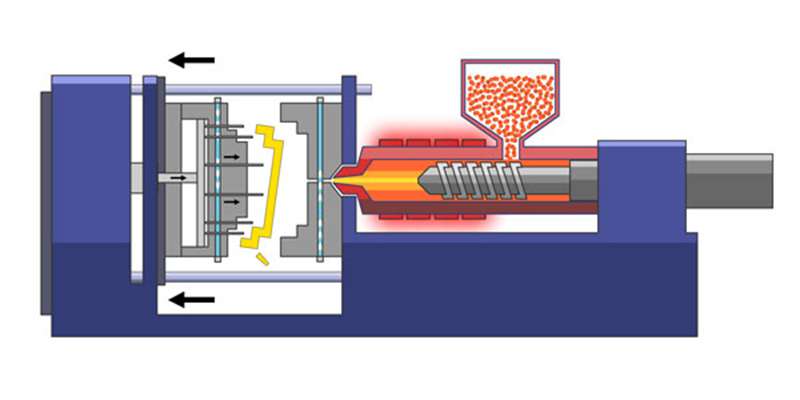
The injection molding process begins by melting plastic material in a heated barrel. The molten plastic is then injected into a mold under high pressure. Once the plastic cools and solidifies, the mold opens, and the finished product is ejected.
One of the key advantages of injection molding is its high production efficiency, as it allows for the rapid production of large quantities of identical parts. Additionally, injection molding produces parts with high precision and repeatability, making it ideal for mass production. However, the initial tooling cost for injection molding can be high, and the process may not be suitable for small-scale production runs.
II. Blow Molding
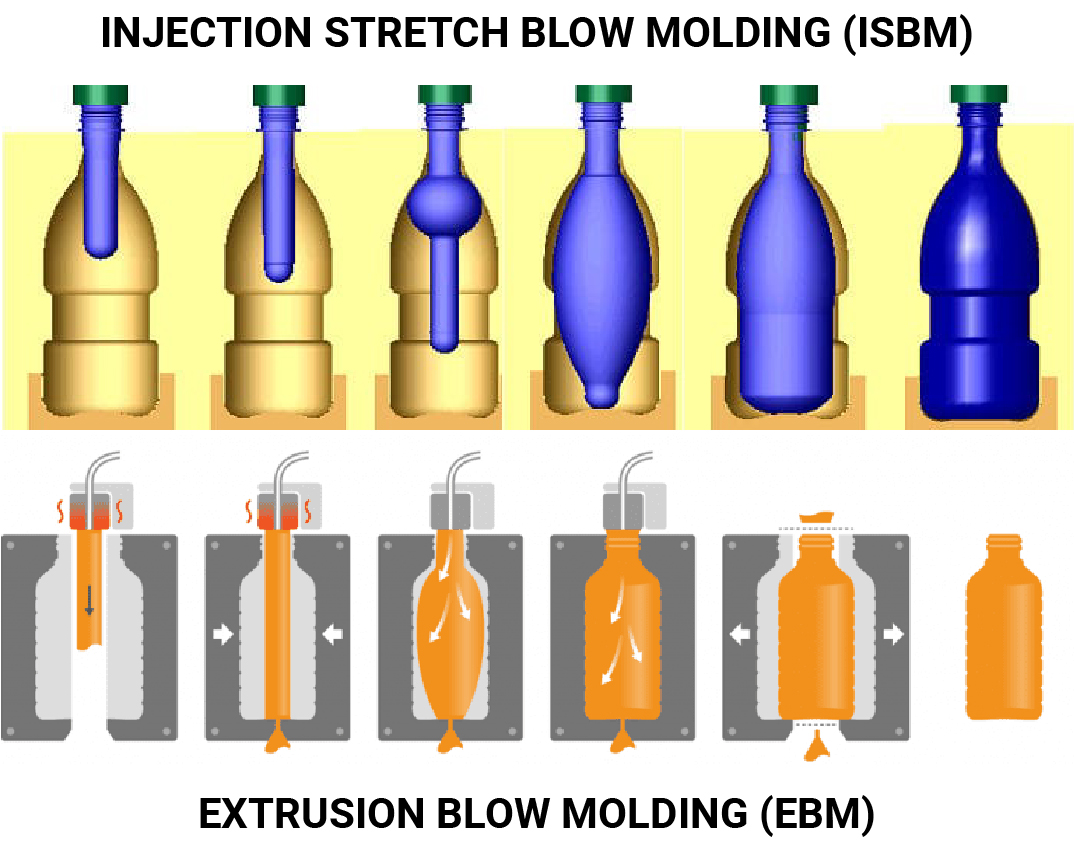
Blow molding is a popular manufacturing process used to create hollow plastic parts like water bottles. The process works by melting plastic and shaping it by blowing air into a mold.
There are several types of blow molding techniques, including extrusion blow molding, injection blow molding, and stretch blow molding. Extrusion blow molding is commonly used to produce bottles and containers, while injection blow molding is used for smaller, more complex parts. Stretch blow molding is often used to produce PET bottles.
One of the main advantages of blow molding is its ability to create complex shapes with minimal material waste. However, blow molding has some drawbacks, such as limited material choices and slower production speeds.
Blow molding is widely used in the packaging industry to produce a variety of products, including bottles, containers, automotive parts, and toys.
III. Extrusion
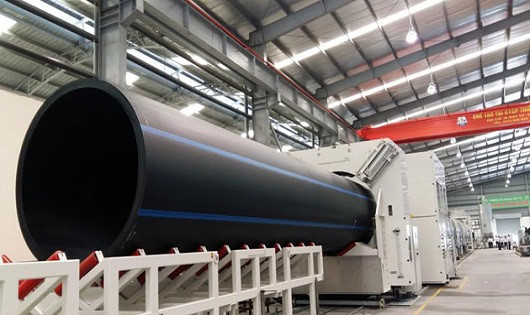
Extrusion is a process that melts raw plastic material and forces it through a die to create a long, consistent shape. This process is used to create a wide variety of products, from pipes to window frames and even food packaging.
There are several types of extrusion techniques that can be used depending on the desired end product. These include profile extrusion, used to create products with a constant cross-section such as window frames, and blown film extrusion, used to create thin plastic films for packaging. Other techniques include sheet extrusion, co-extrusion, and wire and cable extrusion.
The applications of extrusion in plastic manufacturing are vast. It is used in industries such as construction, automotive, packaging, and medical devices. The extrusion process is particularly useful for creating products of great length, such as pipes.
IV. Thermoforming
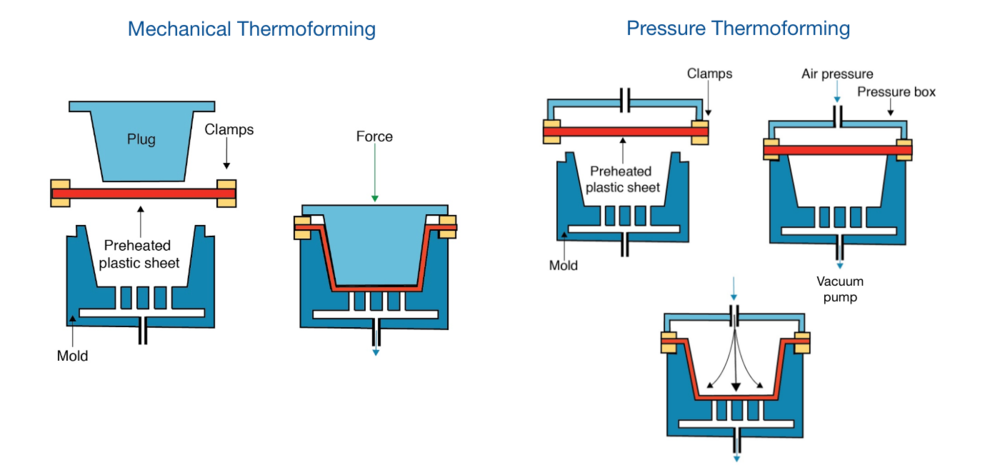
Thermoforming is a manufacturing process where a plastic sheet is heated to a pliable state, then formed into a specific shape using a mold, and finally trimmed to create a usable product. This process is commonly used in the packaging industry to create a wide range of products such as trays, containers, clamshells, and blisters.
There are several types of thermoforming techniques that can be used depending on the desired end product. These include pressure forming, vacuum forming, and twin-sheet forming. Vacuum forming is the most common technique and involves heating a plastic sheet until it is pliable, then using a vacuum to pull the plastic sheet into a mold. Pressure forming, on the other hand, uses pressure to force the plastic sheet into a mold, creating a more detailed product. Twin-sheet forming involves simultaneously heating two plastic sheets and forming them together to create a hollow product.
Thermoforming allows for quick production turnaround times and the ability to produce high volumes of products. However, it has some drawbacks, such as limited design flexibility and the potential for warping or distortion of the final product.
V. Compression Molding
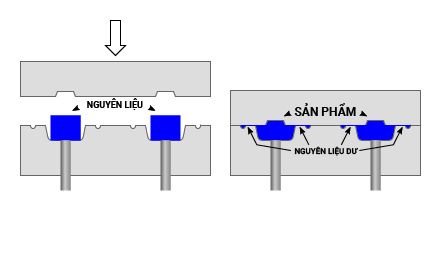
Compression molding is a manufacturing process where material is placed into a mold cavity and subjected to heat and pressure until it cures or hardens into the desired shape. This process is commonly used to produce a wide range of products, from automotive parts to household appliances.
The materials used in compression molding typically include thermosetting polymers such as phenolics, epoxies, and silicones. These materials are known for their strength, durability, and resistance to heat and chemicals, making them ideal for applications where these properties are essential.
One of the key advantages of compression molding is its ability to produce complex, high-quality shapes with tight tolerances. It is also a cost-effective process as it requires minimal tooling and equipment compared to other molding processes. Additionally, compression molding can be used to produce parts with high uniformity and repeatability.
However, compression molding also has some drawbacks. The process can be time-consuming, especially for large parts or high-volume production. It also requires skilled operators to monitor and control the temperature, pressure, and curing time to ensure that the final product meets the desired specifications.
VI. Conclusion
Understanding the different methods of plastic manufacturing is crucial to ensure product quality, efficiency, and cost-effectiveness. By familiarizing themselves with various molding processes, such as injection molding, blow molding, and extrusion, manufacturers can choose the most suitable method for their specific needs. This knowledge also allows them to troubleshoot issues, optimize production processes, and innovate new designs. Overall, a comprehensive understanding of plastic manufacturing techniques is essential for success in the industry.