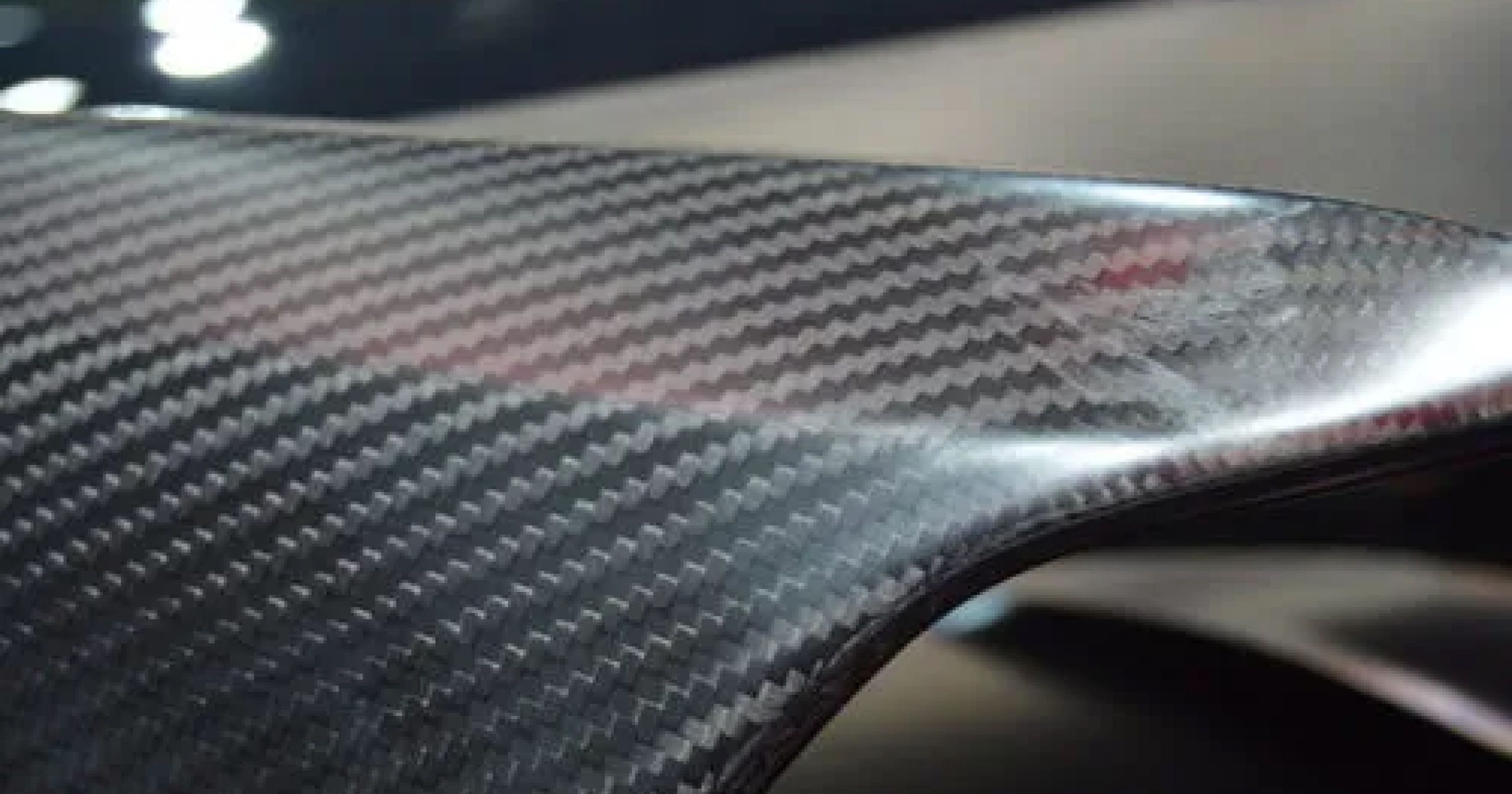
Fire retardant standards for plastics are of paramount importance in ensuring the safety of products and materials across various industries. These standards refer to a set of regulations and testing methods used to determine the fire resistance and prevent the spread of flames in plastic materials. These standards are critical in ensuring the safety of buildings, products, and equipment that incorporate plastic components, thereby minimizing the risk of fire incidents.
I. Criteria for evaluating the fire resistance of plastics
A. Ignitability
This refers to the material's ability to resist ignition when exposed to a flame or heat source, making it the most crucial criterion for evaluating the fire resistance of plastics. This criterion is assessed by igniting a material sample and measuring the time it takes for the sample to burn.
B. Flame Spread
This criterion measures the rate at which flames spread across the surface of a material. Plastics with low flame spread contribute to limiting the propagation of fire. Heat release rate and ignition temperature are important indicators to consider when evaluating the flame spread characteristics of plastics.
C. Self-Extinguishing Capability
This criterion assesses the material's ability to self-extinguish based on specific properties or additives, such as the release of water vapor or inert gases to suppress the flame. This capability helps prevent fires from escalating and limits the spread of flames.
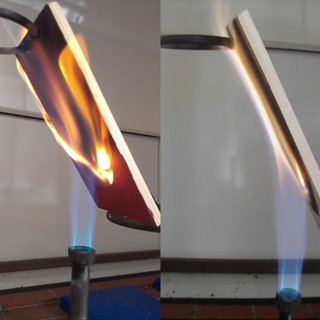
D. Smoke Production
Smoke is a primary cause of fatalities during fires. This criterion evaluates the amount of smoke generated when a material burns. Assessing the smoke production of plastics is crucial for evaluating their safety level in fire situations.
E. Toxic Gas Emission
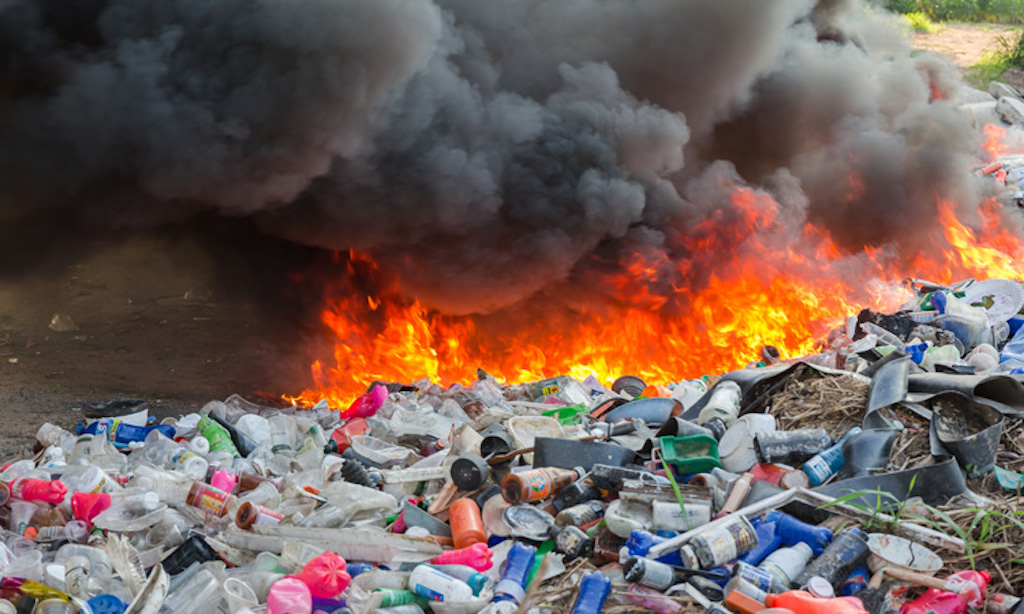
Some plastics can release toxic gases when burned, posing serious health risks to people in the vicinity and the surrounding environment. Evaluating the emission of toxic gases from plastics is vital to ensure their safe use in various applications.
II. Fire Retardant Standards for Plastics
There are several international standards and regulations that assess the fire resistance of plastics, each with its own specific requirements and testing procedures. Some of the most widely recognized standards include those developed by organizations such as the International Organization for Standardization (ISO), the American Society for Testing and Materials (ASTM), and Underwriters Laboratories (UL).
A. ISO Standards
ISO standards, such as ISO 4589 and ISO 9772, provide guidelines for testing the flammability and fire resistance of plastics, including methods for determining burning characteristics and oxygen index of materials. These standards are widely used by manufacturers and regulatory bodies worldwide to ensure the safety and performance of plastic products.
B. ASTM Standards
ASTM standards, such as ASTM E84 and ASTM D635, also play a significant role in establishing the fire resistance of plastics. These standards cover a range of test methods, including flame spread rate, smoke density, and heat release, and are widely recognized in the United States and other countries.
C. UL Standards
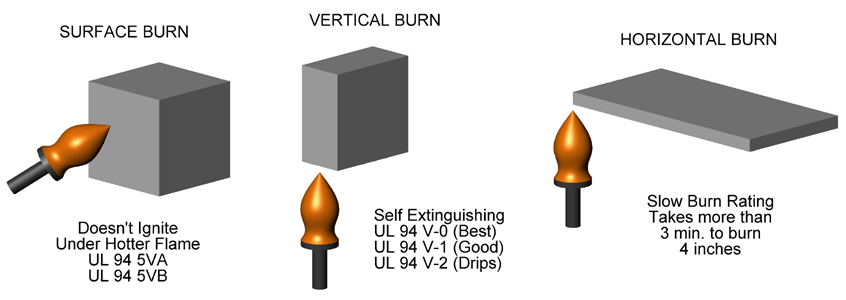
UL 94 specifically addresses the flammability of plastic materials used in the manufacture of components and devices. This standard provides a method for testing the flammability of plastic materials for parts in equipment and appliances. It classifies materials into different categories based on their flammability characteristics, such as flame resistance and burn rate. This standard is widely used in various industries to ensure the safety and reliability of plastic materials in different applications.
III. Plastic Fire Retardant Standards in Industries
A. Construction
In the construction industry, the use of fire-retardant plastics is crucial for ensuring the safety of buildings and structures. Building codes and regulations often mandate the use of fire-resistant materials, including plastics, in certain applications such as insulation, cladding, and electrical wiring. The fire resistance standards for plastics in construction are typically determined by factors such as flame spread, smoke generation, and heat release.
B. Electronics
In the electronics industry, the use of fire-retardant plastics is essential in the manufacturing of electronic devices and components. With the increasing complexity and miniaturization of electronic products, the risk of fire due to overheating or electrical faults is a major concern. Therefore, fire retardant standards for plastics used in electronics focus on factors such as ignitability and self-extinguishing properties.
C. Automotive
In the automotive industry, the use of fire-retardant plastics is critical to ensure the safety of vehicles and their occupants. With the presence of electrical systems, fuel components, and engine compartments, the risk of fire in vehicles is a significant concern. Fire retardant standards for plastics in the automotive industry focus on factors such as flammability, smoke emission, and toxic gas release in the event of a fire.
IV. Conclusion
Overall, fire retardant standards for plastics play a crucial role in ensuring the safety and reliability of products and structures in the construction, electronics, and automotive industries. By adhering to these standards, manufacturers can mitigate the risks associated with the use of plastics and contribute to the overall safety of their products and the environment.
To meet fire retardant standards for plastics in various industries, manufacturers often use additives and flame retardants to improve the fire resistance properties of plastics. Additionally, testing and certification by regulatory bodies and industry organizations are often required to ensure compliance with fire retardant standards.