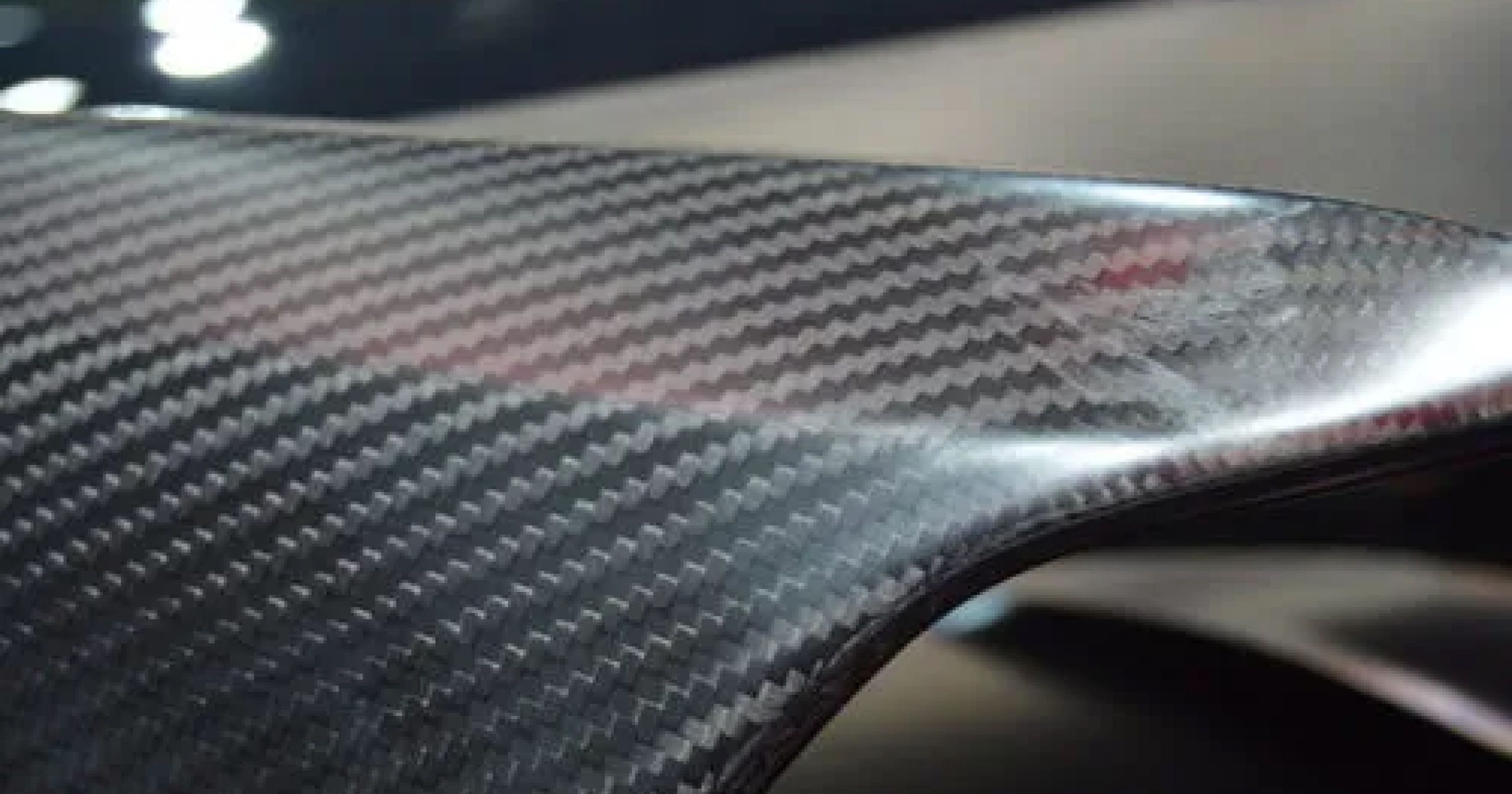
Plastics are widely used in various industries due to their flexibility and cost-effectiveness. However, most plastics are highly flammable. Therefore, to enhance the flame resistance of plastics, the best solution is to use flame retardant additives. In this article, let's explore what flame retardant additives are, their types and how they work, as well as their applications in the plastics industry.
I. Definition of Flame Retardant Additives for Plastics
Flame retardant additives are substances added to materials to increase their fire resistance and slow the spread of flames. These additives typically have one or more of the following effects:
- Increase the ignition temperature of the material
- Slow down the burning rate
- Reduce the heat release rate
- Reduce flame propagation
- Reduce the amount of smoke produced
II. Classification of Flame Retardant Additives
A. Halogenated Flame Retardants
Halogenated flame retardants, such as bromine and chlorine compounds, are among the most widely used flame retardant additives for plastics, preventing the spread of fire. These additives work by releasing halogen radicals during combustion, interfering with the chain reactions involved in the burning process of plastic materials.
However, there are growing concerns about the potential health and environmental impacts of halogenated flame retardants. Some studies have linked these chemicals to adverse health effects, including endocrine disruption, reproductive issues, and developmental problems. Additionally, these chemicals can persist in the environment and accumulate in the food chain, posing potential risks to wildlife and humans. Therefore, research and regulations are ongoing to reduce the use and exposure to halogenated flame retardants.
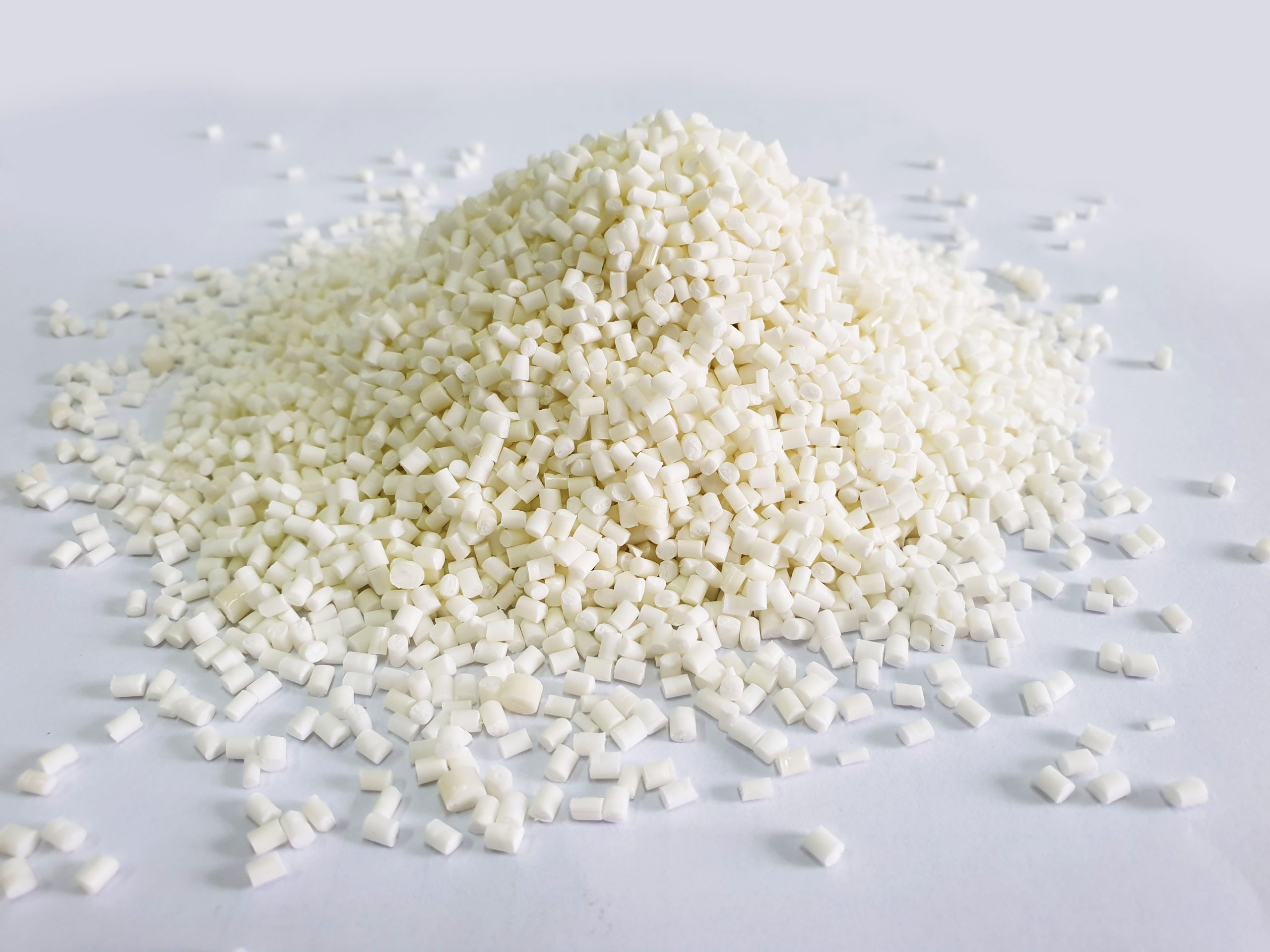
B. Phosphorus-based Flame Retardants
Phosphorus-based flame retardants are another popular choice for enhancing the flame resistance of plastics. These additives work by promoting the formation of a char layer on the material's surface, which disrupts and inhibits the spread of fire.
Phosphorus-based flame retardants are considered more environmentally friendly than halogenated flame retardants because they produce less toxic byproducts upon decomposition.
C. Mineral-based Flame Retardants
Mineral-based flame retardants (inorganic flame retardants), such as aluminum hydroxide and magnesium hydroxide, are non-toxic additives that reduce the flammability of materials. These additives work by releasing water vapor or carbon dioxide when exposed to high temperatures, thereby cooling the plastic material and preventing it from igniting.
Inorganic flame retardants are commonly used in applications where environmental and health concerns are paramount, such as in food packaging and children's toys.
D. Organic Flame Retardants
Unlike traditional flame retardants often made from toxic chemicals, organic flame retardants are derived from natural sources such as plants and animals. In addition to being more environmentally friendly, organic flame retardants are also considered safer for human health as they do not release harmful toxins when exposed to heat or flames.
III. Applications of Flame Retardant Additives
The application of flame retardant additives for plastics is crucial in many industries:
- Electronics Industry: flame retardants are used to protect sensitive electronic components from fire damage.
- Construction Industry: flame retardants are added to building materials such as insulation, roofing, and electrical wiring to reduce the risk of fire.
- Packaging: flame retardant additives are also used in packaging materials to reduce the risk of fire during transport and storage.
- Transportation: application of flame retardant additives in the production of automotive parts and aircraft interiors to protect passengers and operators in the event of a fire.
IV. Advantages and Disadvantages of Flame Retardant Additives
A. Benefits of Using Flame Retardant Additives for Plastic Materials
In addition to improving flame resistance, the use of flame retardant additives for plastics offers several other benefits:
- Enhanced safety and compliance with fire safety regulations.
- Improved overall performance and durability of plastic materials; improved thermal stability and mechanical properties of plastic materials.
- Reduced toxic gas and smoke emissions during a fire.
B. Potential Disadvantages and Limitations of Flame Retardant Additives
Although flame retardant additives play an important role in the plastics industry, they also have potential disadvantages and limitations that need to be considered:
- Environmental Impact – Many chemicals are persistent and can accumulate in the environment over time. This can lead to negative impacts on ecosystems and wildlife.
- Health Effects – Some flame retardants can be harmful to health, disrupting hormone function and potentially causing cancer.
- May lose effectiveness over time – These additives can degrade and lose their effectiveness, especially when exposed to heat and light.
- Impact on material recyclability – Some additives can make it more difficult to recycle products, leading to increased waste and environmental impact.
CPI Plastic Vietnam Co., Ltd. is a direct manufacturer of the largest Masterbatch plastic additive products in Vietnam. Therefore, CPI Plastic is the top choice for manufacturing factories that require stability in both output and quality, to meet the production and export needs of our valued customers.
(Refer to products here: Flame Retardant Masterbatch)