Plastic is one of the inventions that brought breakthroughs in all industries. Among them, virgin plastic plays a very important role. So, what is virgin plastic? Let's find the answer in the article below!
I. What is Virgin Plastic?
A. Concept
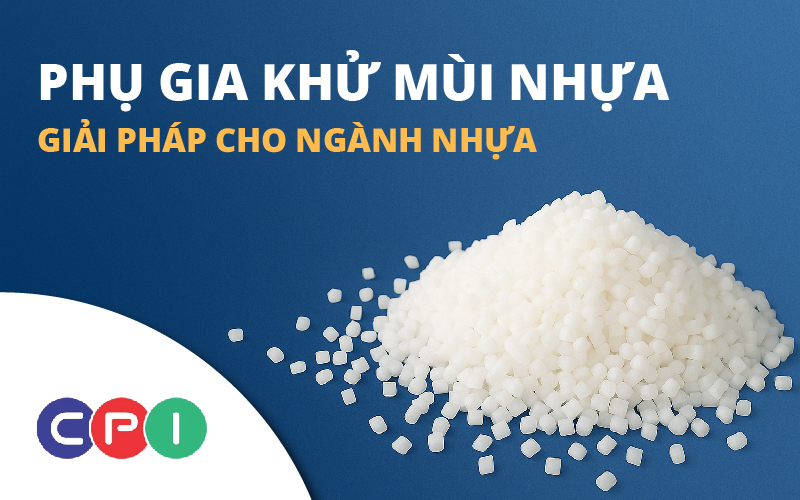
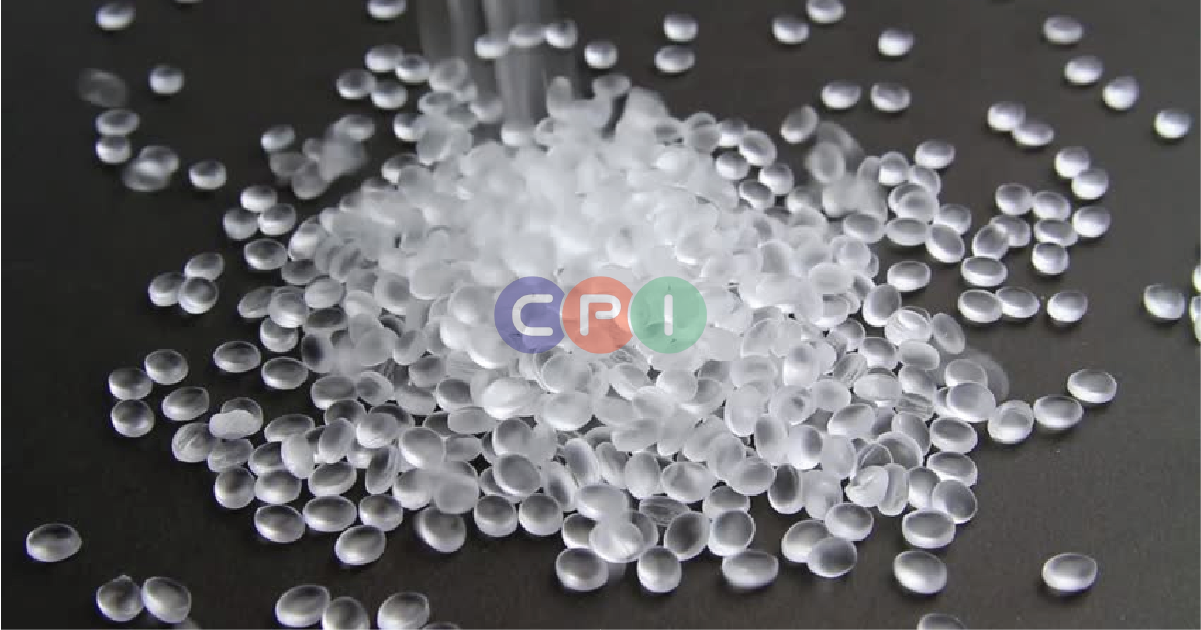
Virgin plastic, also known as "primary plastic" or "virgin plastic", is a type of plastic produced directly from petrochemicals or natural gas. It is the raw material used to manufacture various plastic products. Virgin plastic is typically in pellet or granular form and can be melted and molded into different shapes and sizes. It serves as the foundation for producing most plastic products today.
B. Characteristics
Each type of virgin plastic has different characteristics and properties. However, all types of plastic share common characteristics when compared to other materials.
Purity: Virgin plastic is made from new materials, ensuring higher purity compared to recycled plastic. This purity is particularly important in applications requiring high hygiene, such as in medical devices or food packaging.
Consistency: Virgin plastic offers consistent quality and performance characteristics. Manufacturers can rely on the consistent properties of virgin plastic to produce products with precise specifications and dimensions.
Durability: Virgin plastic generally boasts superior durability compared to recycled plastic. This makes it suitable for applications requiring strength and resistance to external forces, such as automotive components or construction materials.
Color Options: Virgin plastic provides a wider range of color options than recycled plastic. This is because recycled plastic often contains impurities or color variations from the original material, limiting the available color choices.
Processability: Virgin plastic is generally easier to process and mold than recycled plastic. Its consistent composition allows for more efficient manufacturing processes, reducing production time and costs.
C. Types of Virgin Plastic
Many types of plastics have been and are being researched. Below are the 6 most common types of plastics applied in various fields.
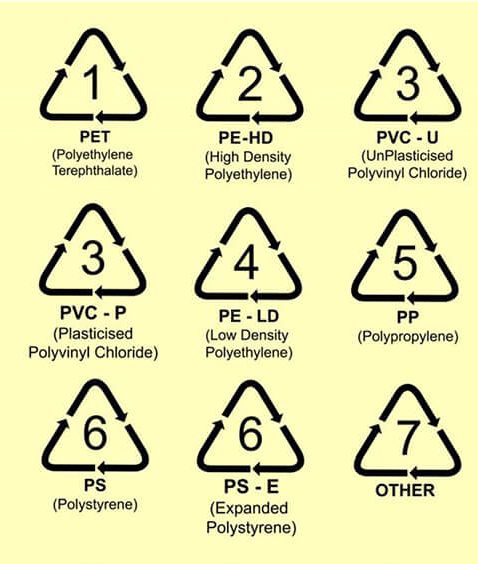
1. Polyethylene Terephthalate (PET)
PET is commonly used in the production of beverage bottles, food containers, and polyester fibers. It is lightweight, transparent, and possesses excellent barrier properties, making it ideal for packaging applications.
2. High-Density Polyethylene (HDPE)
HDPE is known for its high strength and durability. It is commonly used in the manufacture of milk jugs, shampoo bottles, and plastic bags. HDPE is chemically resistant and has excellent moisture barrier properties.
3. Polyvinyl Chloride (PVC)
PVC is a versatile plastic used in a wide range of applications. It is commonly used in construction materials, such as pipes, window frames, and flooring. PVC is known for its durability and weather resistance.
4. Low-Density Polyethylene (LDPE)
LDPE is a flexible and lightweight plastic commonly used in packaging films, grocery bags, and squeeze bottles. It has excellent resistance to moisture, chemicals, and impact.
5. Polypropylene (PP)
PP is a versatile plastic used in a variety of applications, including packaging, automotive parts, and household products. It has a high melting point, making it suitable for extrusion applications.
6. Polystyrene (PS)
PS plastic is a type of plastic that is easy to process and color, commonly used to produce foam food containers, plastic cups, plastic bowls, and confectionery trays for single use. Additionally, PS plastic is used to produce electronic devices such as sockets, switches, and CD discs.
II. Raw Materials for Virgin Plastic Production
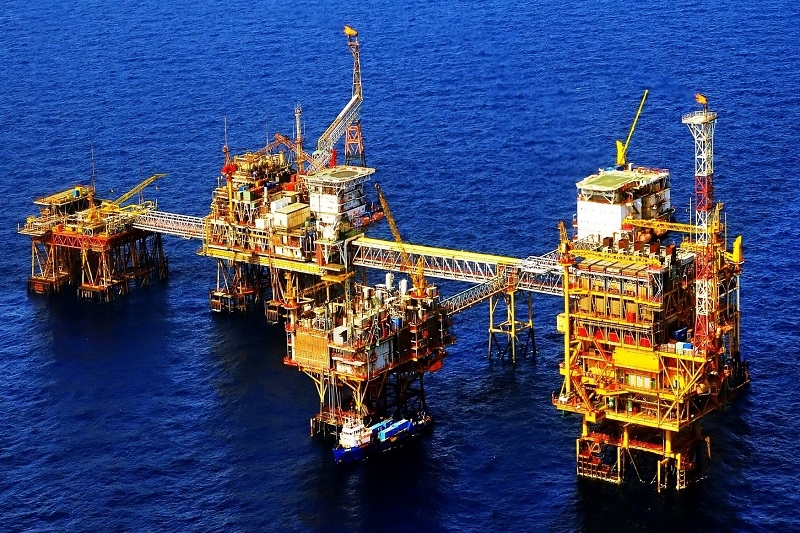
Crude Oil: The primary raw material used in plastic production is crude oil. It is a fossil fuel that undergoes a refining process to extract various components, including hydrocarbons. These hydrocarbons are further processed to obtain the basic raw materials for plastic production.
Natural Gas: Another important raw material for primary plastic production is natural gas. It contains methane, which can be converted into ethylene and propylene through a process called steam cracking.
Coal: Although less commonly used than crude oil and natural gas, coal can also be a raw material for virgin plastic production. Coal is converted into coal gas or liquid coal, which can then be further processed to obtain chemicals like methanol and olefins, used in plastic production.
(See more: Virgin Plastic Pellet Production Process)
III. Applications of Virgin Plastic
Each type of plastic has properties suitable for specific industries and applications. Below are some key applications of virgin plastic in various fields:
A. Packaging
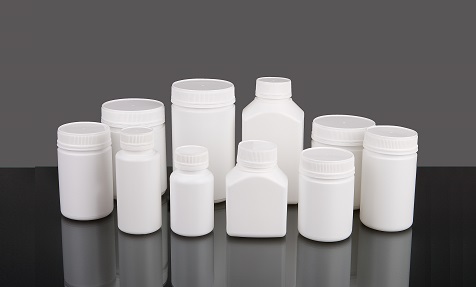
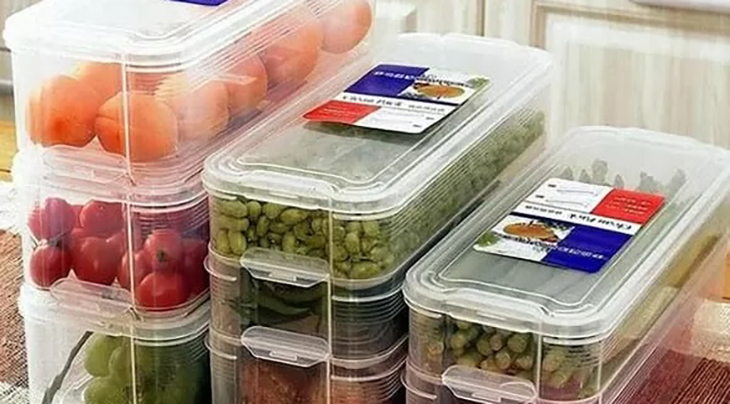
Virgin plastic is widely used in packaging materials, including bottles, containers, bags, and films. Its lightweight nature, durability, and ability to be molded into various shapes make it an ideal choice for packaging products in industries such as food and beverage, cosmetics, pharmaceuticals, and consumer goods.
B. Construction
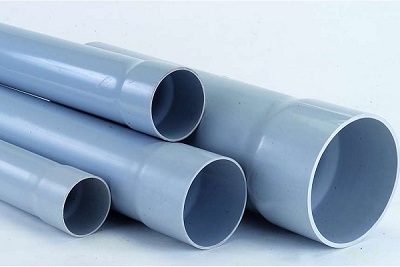
Virgin plastic plays a crucial role in the construction industry. It is used in pipes, fittings, insulation materials, roofing, and flooring. Plastic pipes are preferred over traditional materials due to their corrosion resistance, ease of installation, and long lifespan. Additionally, plastic materials have insulating properties, contributing to energy savings in buildings.
C. Automotive
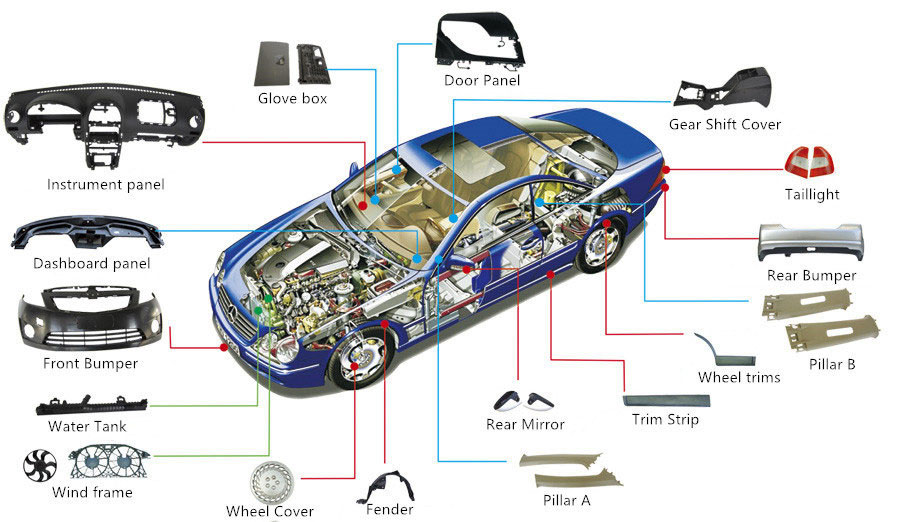
Virgin plastic is extensively used in the automotive industry for various components, including dashboards, bumpers, door panels, and interior trim. Plastics offer advantages such as weight reduction, improved fuel efficiency, design flexibility, and cost savings. Additionally, plastic parts are corrosion-resistant and can withstand harsh weather conditions.
D. Electrical and Electronics
Virgin plastic is widely used in electrical and electronic applications. It is utilized in the manufacturing of cables, wires, connectors, switches, and casings for electronic devices. The excellent insulating properties, lightweight nature, and resistance to chemicals and moisture of plastics make them ideal for these applications.

E. Agriculture
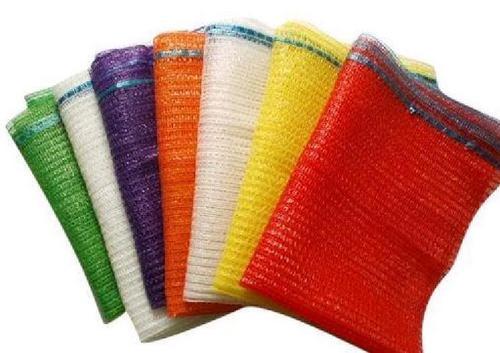
Virgin plastic is applied in agriculture, primarily in the form of films and sheets. They are used as mulching films, greenhouse coverings, and silage films. Plastic films help conserve soil moisture, control weed growth, and protect crops from pests and harsh weather conditions, ultimately enhancing agricultural productivity.
F. Medical
Virgin plastic is extensively used in the healthcare sector for various medical devices and equipment. It is utilized in the production of syringes, IV bags, surgical gloves, catheters, and medical packaging. Plastic materials offer advantages such as sterility, ease of disposal, and cost-effectiveness, making them essential for modern healthcare operations.
IV. Safety of Virgin Plastic
Many people wonder if virgin plastic is toxic or safe for various applications such as food packaging or children's toys.
Most virgin plastics are considered safe for everyday use. The U.S. Food and Drug Administration (FDA) has established strict guidelines to ensure the safety of plastic products that come into contact with food.
However, it is important to note that different plastics may have varying chemical compositions, additives, and potential risks. For example, polyvinyl chloride (PVC) contains additives such as phthalates, which have been linked to health issues.
To minimize potential risks, certain precautions should be followed. It is important to pay attention to the recycling symbols on plastic products, as they indicate the type of plastic used and can provide detailed information about the potential risks of that plastic type.
(See more: Symbols on Plastic Products)