LDPE plastic is a widely used plastic material in many areas of life, especially in the packaging and daily necessities sectors. Therefore, there are many questions such as what is LDPE plastic, and is LDPE plastic safe. This article will provide you with the answers and necessary information about LDPE plastic.
I. What is LDPE Plastic?
LDPE plastic, fully named Low-density polyethylene, is a thermoplastic produced from ethylene monomer; it has a PE base with low density. It was the first type of polyethylene, produced in 1933 by Imperial Chemical Industries (ICI) using a high-pressure process via free-radical polymerization.
Although many new plastic types have been developed today, LDPE remains an important plastic in daily life and manufacturing.
II. Characteristics of LDPE Plastic
Lower density than other PE types – LDPE is defined by a density range of 917–930 kg/m3, which is lower than HDPE plastic (930 ~ 970 kg/m3). LDPE is more branched, leading to weaker intermolecular forces and less crystalline molecules.

(Branched structure of LDPE)
Durable, flexible – Due to weaker intermolecular forces compared to other PE types, it has lower tensile strength and higher resilience. Its flexibility allows it to be molded into various shapes, making it ideal for manufacturing products such as plastic bags, films, and containers.
Moisture and chemical resistance – LDPE has high moisture and chemical resistance. This characteristic makes it an excellent choice for packaging materials as it can protect contents from damage due to moisture and chemical exposure. Additionally, LDPE is often used to line containers holding corrosive substances because it provides a reliable barrier against chemical reactions.
Recyclable – LDPE can be easily recycled and used to create new products, reducing waste and promoting sustainability. Recycling LDPE helps conserve resources and reduce the environmental impact of plastic waste.
III. Advantages and Disadvantages of using LDPE Plastic
A. Advantages
- Lightweight, good impact resistance.
- Durable, easily stretchable.
- Resistant to strong acids, alcohols, bases, and esters.
- Good moisture resistance.
- Can be used for food storage at low temperatures.
B. Disadvantages
- Flammable.
- Emits two greenhouse gases (methane and ethylene) when continuously exposed to sunlight.
- Low durability.
- Low heat resistance, high thermal expansion.
IV. Applications of LDPE Plastic
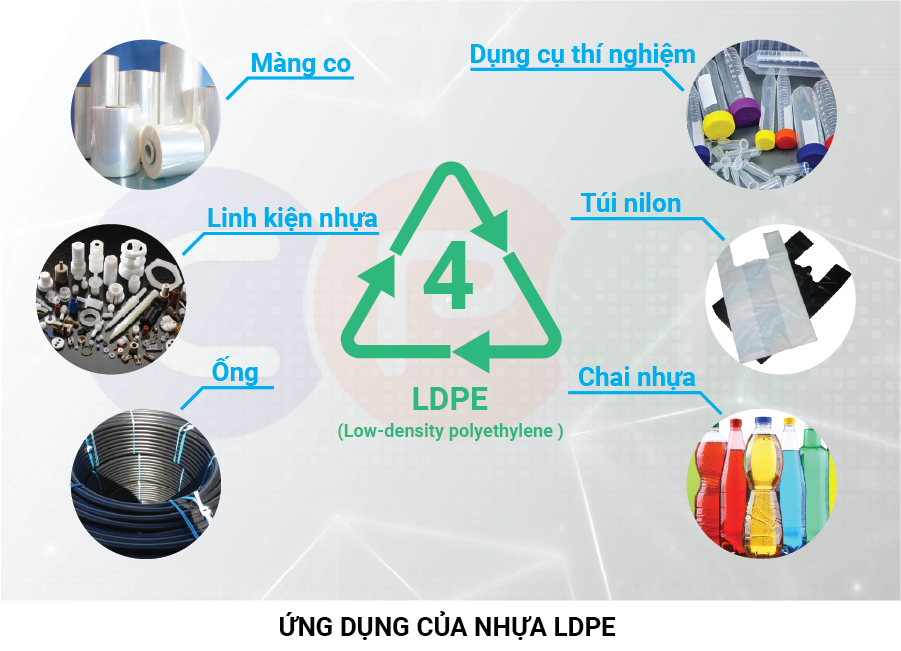 LDPE plastic is most widely used in the packaging manufacturing industry, such as plastic bags and films, due to its flexible and lightweight properties. LDPE is also used in the production of various household items, including squeeze bottles, toys, and disposable gloves; it is used to manufacture medical devices thanks to its excellent chemical resistance.
LDPE has a low melting point, making it a suitable material for injection molding and extrusion processes. In addition, it is widely used in the construction industry for insulation purposes. Its moisture resistance makes it an ideal material for lining ponds, reservoirs, and landfills.
Overall, LDPE's durability and affordability make it a popular choice in many different industries. Other products made from LDPE include:
- Trays and containers.
- Corrosion-resistant work surfaces.
- Parts that need to be welded and machined.
- Parts requiring flexibility.
- Very soft and flexible parts such as caps.
- Packaging for computer hardware, such as hard drives, graphics cards, and optical drives.
- Plastic bags.
- Plastic containers.
- LDPE pipes.
- Household items.
- Battery casings.
- Automotive parts.
- Electronic components.
V. Safety of LDPE Plastic
LDPE plastic is commonly used in many everyday products, especially for food storage. Therefore, there are many concerns about the safety of LDPE plastic and its potential impact on human health.
LDPE is considered relatively safe for use in food packaging and other consumer products. It is approved by regulatory bodies, such as the U.S. Food and Drug Administration (FDA), for contact with food and beverages. LDPE is also widely used in medical devices, such as syringes, due to its inert and non-reactive nature.
One of the main reasons LDPE is considered safe is that it does not contain harmful chemicals such as phthalates or bisphenol A (BPA), which are commonly found in other plastics. These chemicals have been linked to various health problems, including hormonal disruption and reproductive issues.
However, it is important to note that when LDPE is burned or exposed to high temperatures, it can release harmful chemicals into the environment or leach into food. To prevent health risks associated with LDPE, it is recommended to avoid using LDPE containers for hot or acidic foods and beverages.
VI. Environmental Impact of LDPE Plastic
A. Non-biodegradable
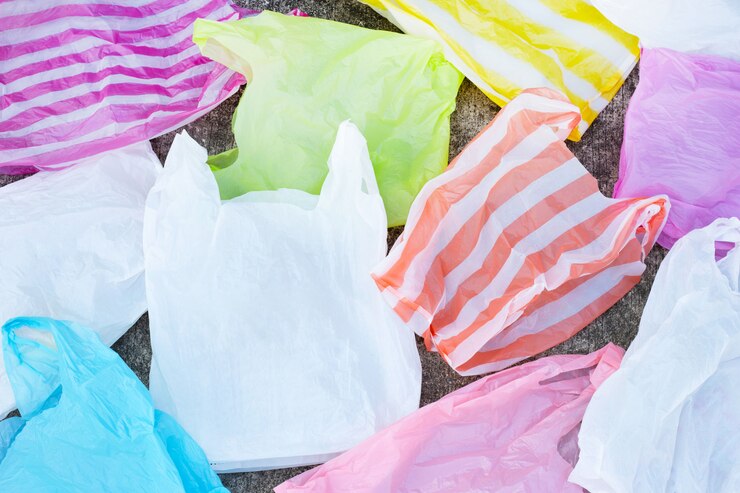
Similar to other common plastics, LDPE does not naturally decompose over time. Instead, it persists in the environment for hundreds of years, contributing to pollution and litter. This is particularly critical as LDPE plastic is often used in single-use products, such as grocery bags, and is discarded after just one use. The accumulation of LDPE plastic waste in landfills and oceans poses a significant threat to ecosystems and wildlife.
B. Recycling LDPE Plastic
Recycling LDPE plastic can help mitigate its environmental impact. LDPE plastic recycling involves collecting used plastic products, processing them, and converting them into new materials. This not only reduces the amount of plastic waste sent to landfills and oceans but also conserves resources and reduces energy consumption.
Recycling LDPE plastic offers several benefits. Firstly, it helps conserve natural resources, such as oil, the primary raw material used in plastic production. By recycling LDPE plastic, we can reduce the need to extract and refine more oil, thereby minimizing environmental impact. Additionally, recycling LDPE plastic helps reduce energy consumption and greenhouse gas emissions associated with the production of new plastic.
Furthermore, recycling LDPE plastic can contribute to a circular economy. By giving used LDPE plastic a new life, it creates a closed-loop system where materials are continuously reused and recycled, reducing the demand for virgin materials and minimizing waste generation.
VII. Conclusion
In conclusion, LDPE plastic is a low-density thermoplastic with high flexibility and excellent chemical resistance. It is most commonly used for manufacturing packaging products such as bags, films, and containers. Overall, LDPE's properties make it a versatile and cost-effective material for many applications.
LDPE plastic is also considered a health-safe plastic and is widely used in medical devices. It does not contain harmful chemicals and has a low environmental impact when used and managed correctly.
Through this article, we hope you have gained a better understanding of LDPE plastic, its characteristics, and its applications in daily life. This will allow you to make more informed choices when selecting consumer products and suitable materials for manufacturing.
CPI Vietnam Plastic Co., Ltd is one of the leading manufacturers of plastic additives in Vietnam. We supply virgin PE resins and recycled PE resins produced from high-quality raw materials; ensuring competitive prices, stable quality and supply, and long-term cooperation.
Please contact Hotline: 0913.046.902 for the best quotation.