When using plastic household products, especially storage boxes, food containers, or bottles, we often see the plastic symbol PP or the number 5. So, what is PP plastic, and is PP plastic safe that it is so widely used? Let's find out the answers in the article below!
I. What is PP plastic?
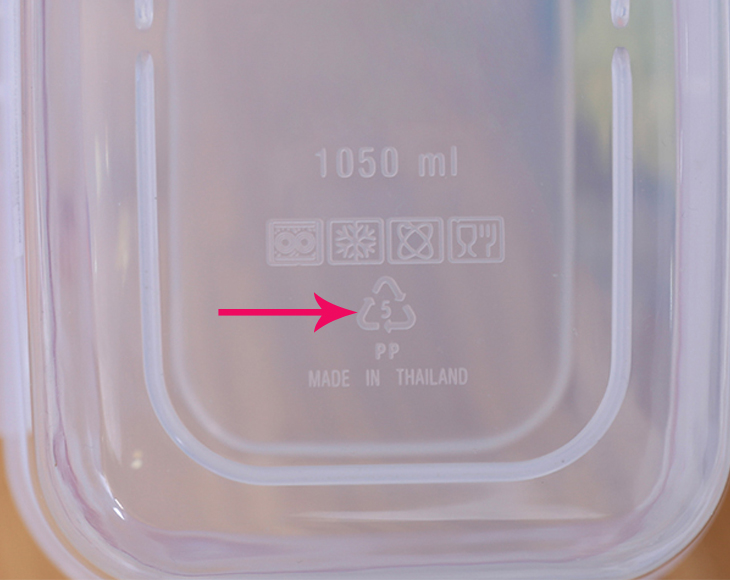
PP plastic (Polypropylene), also known as plastic number 5 based on the identification symbol printed on plastic products, which is a recycling symbol containing the number 5 inside. It is a type of thermoplastic produced through chain-growth polymerization from propylene monomer.
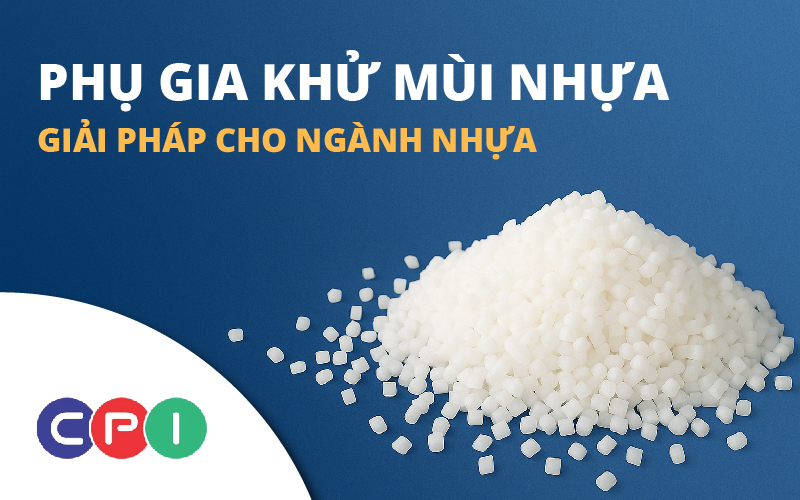
PP plastic is known as a versatile material widely used in various industries. It is transparent white, colorless, odorless, and contains no harmful substances. However, depending on the product being manufactured, color masterbatch can be added to create eye-catching colors for the finished product.
II. Characteristics of PP plastic
PP plastic possesses many outstanding characteristics:
- High melting point and heat resistance. This characteristic allows PP plastic to withstand high temperatures without deformation or melting, making it suitable for applications involving heat exposure. It can withstand temperatures above 100oC, melting at temperatures from 160oC to 180oC.
- Excellent chemical resistance. PP plastic has high resistance to many chemicals, including acids, bases, and solvents. This property makes it ideal for use in chemical processing, where it can safely handle corrosive substances without damage.
- Electrical insulation capacity. PP is known for its excellent dielectric properties, making it an ideal choice for various electrical applications. It is resistant to high currents, preventing short circuits or electric shocks.
- Lightweight and durable. Despite its lightweight composition, PP plastic is extremely strong and durable, making it suitable for use in a variety of applications, including packaging, automotive parts, and household products. Its durability ensures that it can withstand wear and tear, extending its lifespan and reducing the need for frequent replacement.
- Good moisture resistance. This property makes PP plastic an excellent choice for applications requiring moisture resistance, such as in outdoor equipment or waterproof packaging.
- Recyclable. PP plastic can be melted and reprocessed many times without significantly degrading its properties. This recyclability makes it an environmentally friendly option as it reduces the amount of plastic waste in landfills and conserves valuable resources.
III. Applications of PP plastic in various industries
PP plastic boasts many advantages and high applicability, so it is widely used in daily life:
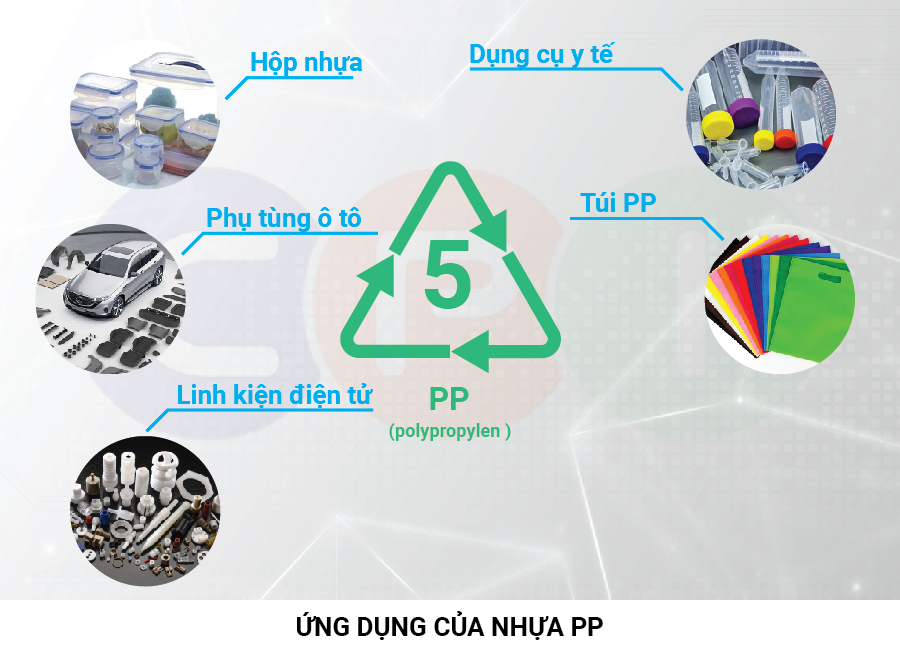
- Packaging Industry – PP plastic is often used to produce containers, bottles, and bags. PP boxes are lightweight, durable, and chemical-resistant, making them ideal for holding liquids and food. Additionally, PP bags are popular for their strength and flexibility, making them suitable for groceries and other items.
- Automotive Industry – PP plastic is widely used due to its durability and impact resistance. It is commonly used to manufacture car bumpers, dashboards, and interior trim.
- Textile Industry – PP plastic is used in spun or woven products. These fibers are lightweight, durable, and moisture-resistant, making them suitable for various applications.
- Electrical Industry – PP plastic provides excellent electrical insulation and heat resistance. It is often used to produce electronic components such as switches, connectors, and cable housings.
- Medical Industry – PP plastic is commonly used to manufacture syringes and other medical devices. It is a preferred material due to its chemical resistance, sterilizability, and ability to maintain the integrity of medical products.
IV. PP plastic production process
The PP plastic production process involves several key steps, including the polymerization of propylene monomer and the extrusion or injection molding process.
The first step in the production process is the polymerization of propylene monomer. This process involves the combination of propylene monomer molecules to form long polymer chains. This is typically achieved through a catalytic process, where a catalyst is used to initiate the reaction and facilitate the formation of the polymer chains. The resulting polymer is a waxy white substance that can be further processed into various forms.
Once the polymerization is complete, the next step is to shape the plastic into the desired form. This can be done through extrusion or injection molding techniques. The extrusion process involves heating the plastic and forcing it through a die to create shapes such as sheets or, more commonly, fibers. After the fibers are cooled to a certain temperature, they are cut into pellets.
V. Safety for health
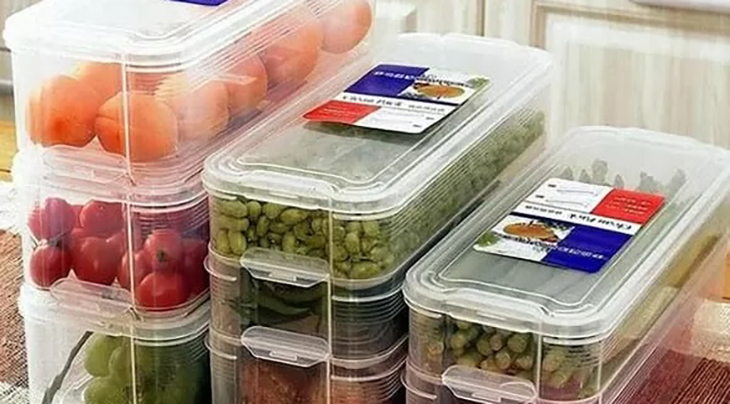
PP plastic is considered safe for use as packaging and food containers. It is approved by regulatory bodies, such as the Food and Drug Administration (FDA), for food contact. PP plastic does not contain harmful chemicals like bisphenol A (BPA) or phthalates, which are known to have adverse health effects. Therefore, it is a suitable choice for storing food and beverages.
However, to ensure health safety, it is important to note: PP plastic containers should not be used in microwave ovens or conventional ovens because they can warp or release harmful chemicals when exposed to high temperatures.
VI. Environmental impact
Like some other common plastics, PP plastic is not biodegradable, meaning it does not break down naturally over time. This poses a challenge for its disposal as it can persist in the environment for hundreds of years, causing a significant impact on the environment and ecosystems.
The proposed solution to mitigate the environmental impact of PP plastic is recycling and reuse. Recycling plastic not only reduces the amount of waste sent to landfills but also conserves resources by using recycled materials instead of virgin plastic. PP plastic can be recycled at most recycling facilities.
VII. Summary
PP plastic is a versatile material that plays an important role in various industries. Its importance lies in its excellent chemical resistance, high melting point, and durability. It is widely used in the packaging, automotive, construction, and medical industries due to its ability to withstand harsh environments and provide long-lasting performance.
In addition, PP plastic has significant potential for further research and development. Scientists and engineers are constantly exploring ways to enhance its properties, such as improving its strength, flexibility, and recyclability. This ongoing research and development can lead to the creation of more sustainable and efficient products, benefiting both industry and the environment.
CPI Vietnam Plastic Co., Ltd. is one of the leading manufacturers of plastic additives in Vietnam. We supply virgin PP plastic resin and recycled PP plastic resin for the production of plastic products; Ensuring competitive prices, quality, stable supply, and long-term cooperation.