
In the context of constantly evolving material science, the integration of reinforcing materials into plastics has transformed the industry, enabling the development of durable, strong, and high-performance products. As the global demand for advanced materials continues to grow, understanding the role of these reinforcing agents in the plastics industry is paramount for engineers, designers, and manufacturers. This article delves into the multifaceted role of reinforcing materials in the plastics industry, examining their types, applications, benefits, and future in this critical field.
I. Introduction
A. Definition of reinforcing materials
Reinforcing materials are substances added to composite materials to improve their mechanical properties and overall performance. These materials can be natural or synthetic and are incorporated into plastic matrices to increase strength, stiffness, and durability. By altering the physical and chemical structure of polymers, reinforcing materials play a crucial role in extending the capabilities of plastics beyond their inherent limitations.
B. Importance of reinforcing materials in the plastics industry
The integration of reinforcing materials into plastics has become a cornerstone of modern material science and engineering. As industries demand materials with superior performance characteristics to meet stringent requirements, the importance of reinforcing materials cannot be overstated. Reinforced plastics offer a balance of lightweight properties, strength, and resilience, making them suitable for a wide range of applications, from consumer goods to advanced engineering solutions.
C. Overview of Applications and Benefits
The applications of reinforced plastics are vast and diverse, spanning automotive components, aerospace structures, consumer electronics, and medical devices, among others. The benefits of using reinforced plastics are equally significant: improved mechanical performance, reduced weight, enhanced heat resistance, and adaptability to varying environmental conditions. Consequently, reinforced plastics not only provide immediate advantages but also contribute to long-term sustainability by replacing heavier and less efficient materials.
II. Types of Reinforcing Materials
A. Natural Fibers
Natural fibers are derived from renewable biological sources and are increasingly recognized for their potential as sustainable reinforcing materials. Common examples include hemp, jute, and flax, each possessing distinct characteristics suitable for various applications.
Natural fibers offer a lightweight solution with good tensile strength, along with the added benefits of biodegradability and low energy consumption during production. They are non-toxic, can be sustainably harvested, and exhibit excellent damping properties, making them an attractive choice for applications with environmental considerations.
B. Synthetic Fibers
1. Glass Fibers
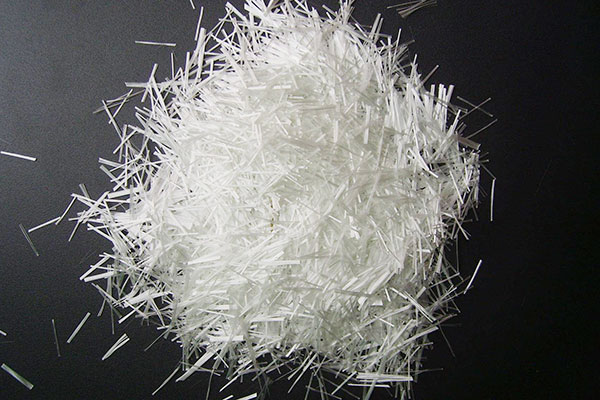
Glass fibers are among the most widely used synthetic reinforcing materials. Known for their high tensile strength and resistance to environmental degradation, glass fibers enhance the mechanical properties of plastics and increase their suitability for harsh environments.
2. Carbon Fibers
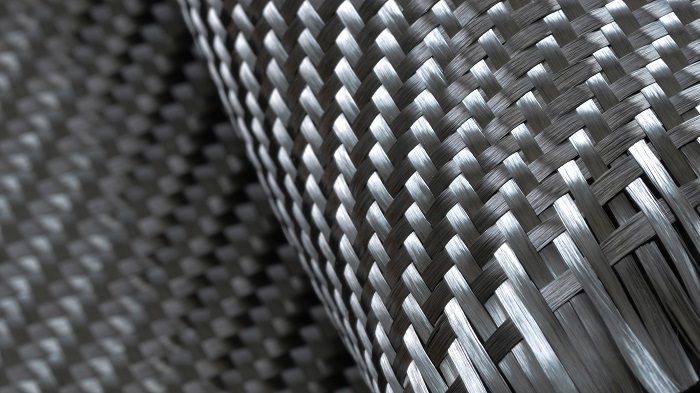
Carbon fibers are renowned for their exceptional strength-to-weight ratio and stiffness. Their application in high-performance sectors like aerospace and automotive is invaluable as they contribute to weight reduction without compromising structural integrity.
3. Aramid Fibers
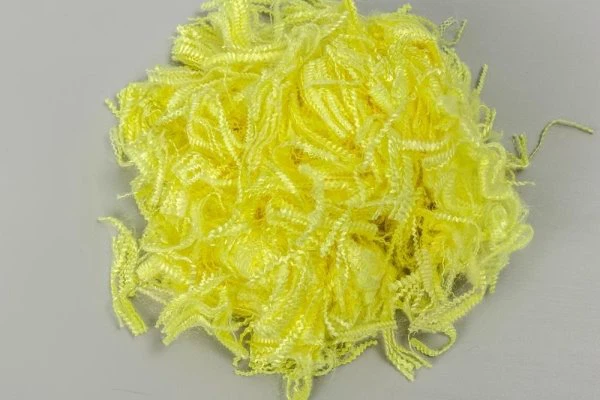
Aramid fibers, including Kevlar, are lauded for their superior impact resistance and durability. They are lightweight yet extremely strong, making them ideal for applications requiring high-performance materials that can withstand extreme conditions.
C. Fillers
1. Mineral Fillers
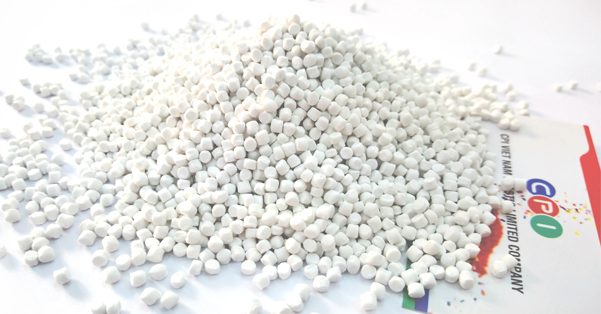
Mineral fillers, such as talc and kaolin, are commonly used to improve the physical properties of plastics. They enhance stiffness and dimensional stability while reducing costs. These fillers can also affect thermal properties, further extending the utility of reinforced plastics.
2. Chemical Fillers
Chemical fillers are added to improve specific properties, such as electrical conductivity or flame resistance. They allow for the customization of plastics to meet particular performance criteria, thereby expanding their capabilities.
D. Hybrid Reinforcements
1. Combining natural and synthetic fibers
Hybrid reinforcements, which combine natural and synthetic fibers, can leverage the advantages of both materials. By doing so, manufacturers can create products that exhibit enhanced performance characteristics while maintaining sustainability.
2. Synergistic effects and applications
The synergistic effects achieved through hybrid reinforcement can lead to superior mechanical properties, including improved strength, stiffness, and heat resistance. This approach has gained attention in fields such as automotive design and furniture, where both aesthetics and performance are paramount.
III. Reinforcement Mechanisms
A. Load transfer and stress distribution
One of the fundamental mechanisms by which reinforcement enhances material properties is through efficient load transfer and stress distribution within the composite material. When an external load is applied, the reinforcing material bears a significant portion of the stress, leading to improved overall strength.
B. Enhancement of mechanical properties
1. Tensile Strength
Reinforcement significantly increases the tensile strength of plastics, enabling them to withstand higher loads without failure.
2. Impact Resistance
Plastics reinforced with appropriate materials exhibit improved impact resistance, which is crucial in applications such as packaging and automotive components.
3. Stiffness
Increased stiffness is vital for many structural applications, and reinforcement leads to enhanced rigidity, ensuring components can maintain their shape under stress.
C. Thermal properties and dimensional stability
Reinforced plastics often exhibit improved thermal properties, allowing them to perform reliably at varying temperatures without compromising structural integrity. This is particularly important in industries like aerospace and automotive, where materials are subjected to extreme conditions.
IV. Challenges in Reinforcement
A. Compatibility between plastic matrix and reinforcing material
One of the primary challenges in utilizing reinforcing materials is ensuring compatibility between the plastic matrix and the reinforcing material. Poor adhesion can lead to component failure, limiting the effectiveness of the reinforcing material.
B. Processing difficulties
Processing techniques for reinforced plastics can be more complex than for unreinforced plastics. The selection of appropriate methods, such as extrusion or injection molding, must consider the specific characteristics of the reinforcing material.
C. Cost considerations
While many reinforcing materials can enhance performance, their integration can sometimes lead to increased costs. Manufacturers must weigh the benefits of reinforced materials against production expenses, particularly in cost-sensitive industries.
D. Environmental impact and sustainability concerns
While many natural fibers offer sustainability benefits, the manufacturing process of synthetic reinforcing materials can have environmental impacts. The industry needs to pursue eco-friendly options and improve the lifecycle of all materials used in reinforced plastics.
V. Innovations and Future Directions
A. Advancements in material science
1. Nanocomposites
Recent developments in nanocomposites have opened new avenues for reinforcing materials. The incorporation of nanoparticles can significantly improve mechanical, thermal, and barrier properties by enhancing the interaction between the reinforcing and matrix phases.
2. Smart Materials
The advent of smart materials, capable of responding to environmental stimuli, represents a dynamic frontier in reinforcement technology. These materials promise to revolutionize applications in fields such as construction and automotive engineering.
B. Recycling and reusability of reinforced plastics
As environmental sustainability becomes a central focus in material production, advancements in reinforced plastic recycling technology are crucial. Efforts to develop methods for material recovery and reuse will not only minimize waste but also reduce costs.
C. Potential applications in emerging technologies
The potential applications of reinforced plastics are expanding into new and emerging technologies. In industries such as automotive, aerospace, and construction, reinforced plastics offer innovative solutions tailored to the demands of modern engineering challenges.
VI. Conclusion
Reinforcing materials play a critical role in enhancing the performance properties of plastics. Through the integration of natural and synthetic fibers, fillers, and innovative hybrid solutions, industries can create superior products that meet increasingly demanding specifications.
As technology and user requirements continue to evolve, ongoing research and development in reinforcing materials remain paramount. Innovations in material science and processing techniques will shape the future of reinforced plastics, offering enhanced capabilities and sustainability.
The future of reinforced plastics is bright, with the potential for transformative impact across various sectors. By leveraging advancements in material science and sustainable practices, reinforced plastics will continue to provide solutions that address the challenges of the future. Through responsible innovation, these materials will not only contribute to improved performance but also support a more sustainable and efficient future.