In recent years, plastic products manufactured from recycled plastic have become increasingly popular. The use of recycled plastic continues to rise due to the depletion of natural resources and raw materials used in plastic production; as well as recent advancements in plastic recycling technology that enable improved quality and safety of recycled plastics.
I. What is Recycled Plastic?
Recycled plastic is a type of plastic produced and reprocessed from used plastic products, also known as recycled plastic preforms, after undergoing sorting and screening processes.
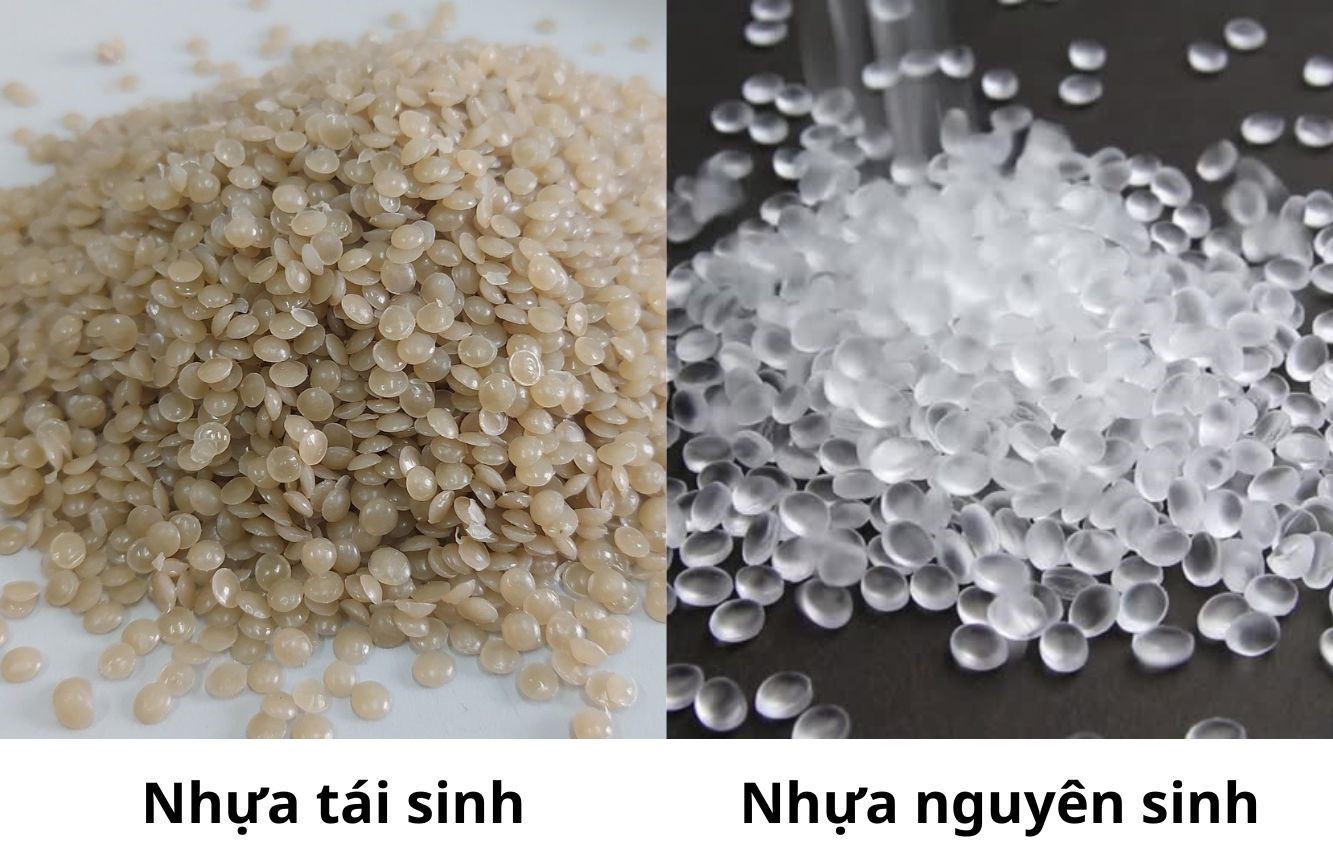
A. Distinguishing between Recycled Plastic and Virgin Plastic
| Recycled Plastic | Virgin Plastic | |
| Raw Material | Plastic waste | Crude oil, natural gas |
| Characteristics | – Contains many impurities.
– Quality gradually decreases with the number of recycling cycles and impurity content. – Color depends on the color of the recycled material. |
– Pure plastic, free from impurities and additives.
– Transparent or natural white color. |
| Applications | Used for general-purpose products. | Used for manufacturing high-quality products. |
As a recycled product, recycled plastic has a lower cost than virgin plastic produced from petrochemical raw materials. Recycled plastic retains the original properties of the plastic type it was recycled from; however, there might be changes compared to virgin plastic depending on the additives used when manufacturing the original plastic product.
Furthermore, the quality and properties of recycled plastic will gradually decrease depending on the number of recycling cycles and the impurity content in the recycled plastic preform. Therefore, recycled plastic is typically used for general-purpose products that do not require high technical specifications;
conversely, virgin plastic is used to produce high-quality products requiring superior technical characteristics.
B. Benefits of using recycled plastic in manufacturing
Using recycled plastic in the production of plastic products brings many benefits:
- Reduces production costs and product prices.
- Reduces reliance on natural resources.
- Reduces the environmental impact of plastic waste.
(See more: Benefits of plastic recycling and the recycled plastic production process)
II. Common Types of Recycled Plastics
Recycled plastic has become more common in recent years; however, due to ongoing limitations in plastic recycling, not all types of plastic can be recycled.
Below are some of the most common types of recycled plastics:
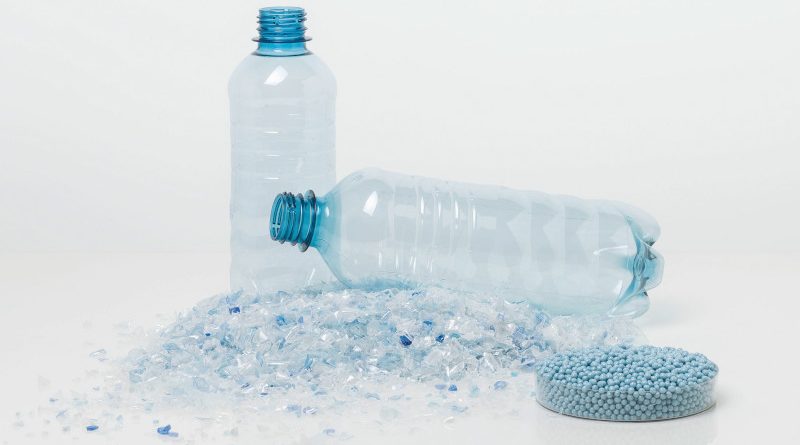
1. Recycled PET (Polyethylene Terephthalate)
PET is one of the most widely used plastics for packaging beverages, food, and personal care products. It is easily recyclable and commonly used to make new bottles and containers.
2. Recycled HDPE (High-Density Polyethylene)
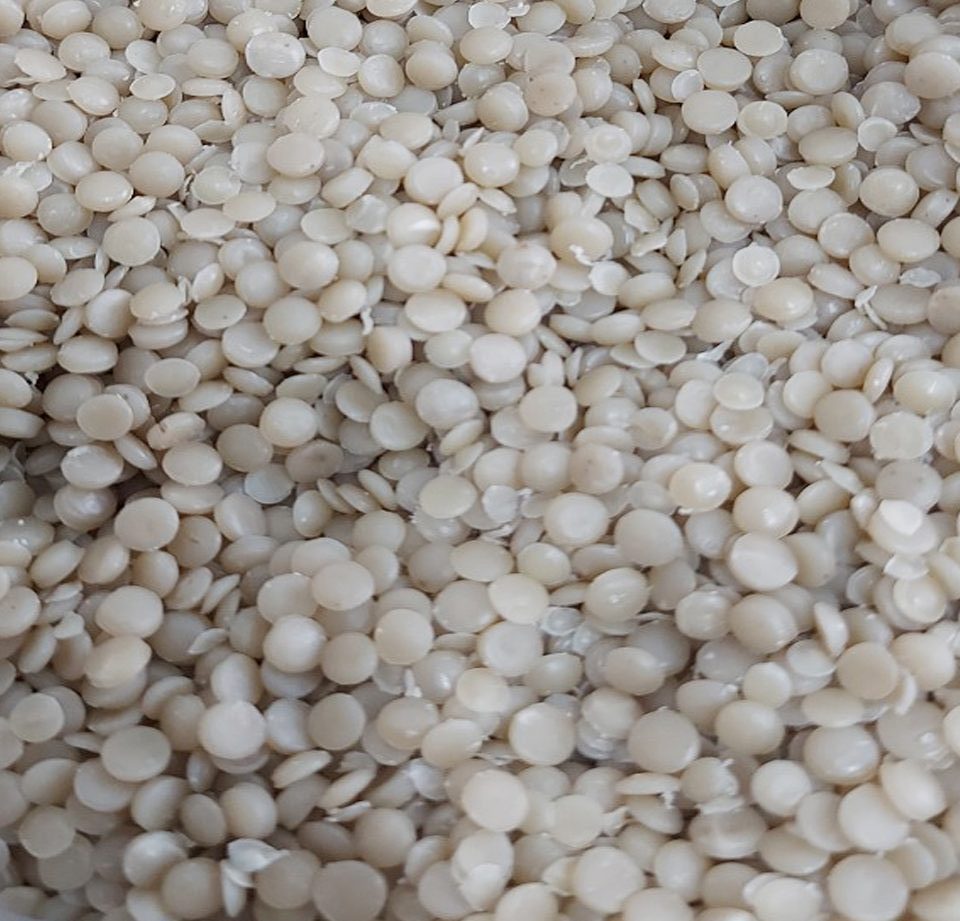
HDPE is a versatile plastic used in many types of products, including milk jugs, detergent bottles, and plastic bags. It is highly recyclable and can be used to make new bottles, pipes, and even playground equipment.
3. Recycled LDPE (Low-Density Polyethylene)
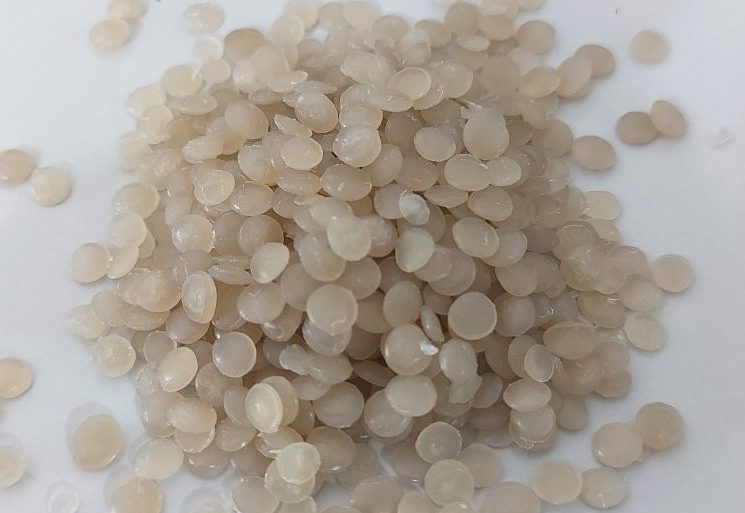
Recycled LDPE plastic is often recycled from plastic bags and films and is used to produce these products again, but with lower quality.
4. Recycled PP (Polypropylene)
PP is used in many types of products, including yogurt containers, bottle caps, and automotive parts. It is highly recyclable and can be used to make new containers, pallets, and even new textiles.
III. Common Applications of Recycled Plastic
A. Packaging Materials:
One of the most common products made from recycled plastic is packaging material. From food containers to shipping materials, recycled plastic is used to create a wide variety of packaging products. This helps reduce the need for new plastic production and minimizes the environmental impact of packaging waste.
B. Outdoor Furniture:
Recycled plastic is also used to create outdoor furniture such as chairs, tables, and benches. These products are durable, weather-resistant, and often made from recycled plastic bottles and containers. Using recycled plastic for outdoor furniture helps reduce the demand for new plastic and provides a sustainable alternative to traditional materials.
C. Clothing and Textiles:
Recycled plastic can be converted into fibers used to create clothing and textiles. This process helps reduce the amount of plastic waste in landfills and oceans, while providing a sustainable alternative to traditional textile materials. Many companies are now incorporating recycled plastic fibers into their clothing lines, offering consumers eco-friendly options for their wardrobes.
D. Building Materials:
Recycled plastic is also used to create a variety of building materials, including lumber products, flooring, and roofing. These materials are durable, long-lasting, and provide a sustainable alternative to traditional building materials. Using recycled plastic for construction helps reduce the environmental impact of new plastic production and provides a practical solution for sustainable building practices.