Currently, plastic has become an indispensable material in life, playing an important role in many fields. Along with the increasing demand for plastic, there are growing concerns about environmental pollution and the depletion of natural resources. This has driven research and invention of more environmentally friendly alternative materials; bioplastics are one such alternative material that has garnered significant attention in recent years. So, what are bioplastics, and how do they replace traditional plastics? Let's find the answer in the article below!
I. What are Bioplastics?
A. Concept
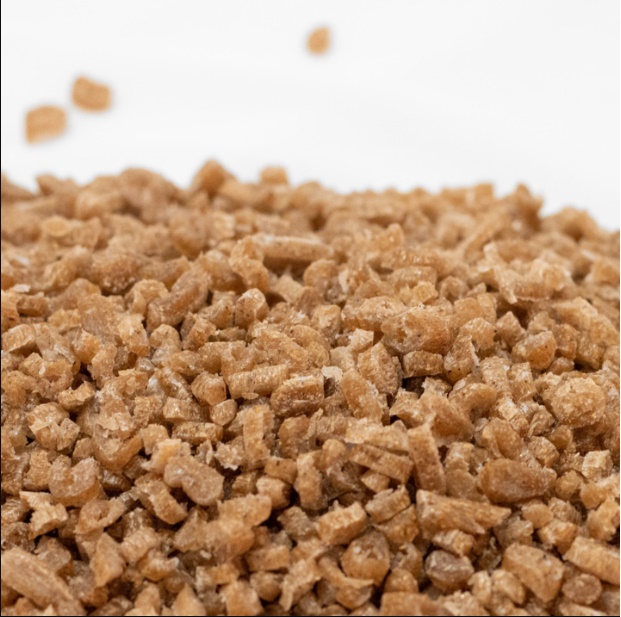
Bioplastics, also known as bio-based polymers, are plastic materials produced from renewable biomass sources, such as vegetable fats, corn starch, or microorganisms. Different types of bioplastics are formed depending on the composition of the raw materials.
(see more: common types of bioplastics)
B. Key Differences from Traditional Plastics
One of the main differences between bioplastics and traditional plastics is the source of raw materials. While traditional plastics are made from petroleum, bioplastics are made from renewable resources. This means bioplastics have a lower carbon footprint and are less dependent on fossil fuels.
Another difference is biodegradability. Not all, but only some types of bioplastics are biodegradable, meaning they can decompose naturally over time, whereas traditional plastics do not. These plastics are generally referred to as biodegradable plastics. This capability depends on the composition, as well as the technology and manufacturing process of bioplastics.
(see more: biodegradable plastics)
II. Are Bioplastics Durable?
Bioplastics are a potential solution to replace traditional plastics. Therefore, a common concern about bioplastics is their durability.
In fact, many types of bioplastics have durability comparable to traditional plastics. They can withstand high temperatures and are moisture-resistant, making them suitable for a variety of applications.
However, the durability of bioplastics can vary depending on the specific type, intended use, and manufacturing process. Some bioplastics may degrade more easily than others, so it's important to choose the right type of bioplastic for your specific needs.
With advancements in technology and manufacturing processes, bioplastics are becoming increasingly strong and possess properties comparable to traditional plastics, making them a viable option for various industries.
III. Applications of Bioplastics
Currently, applications for bioplastics are still limited. They are mostly used for producing single-use items (accounting for up to 50% of plastic waste) such as packaging, dinnerware, cutlery, cups, bowls, and straws. This helps reduce a large amount of fossil fuels used in plastic production.

Some applications in other fields:
1. Packaging: Bioplastics are often used for food packaging because they can be easily molded into various shapes and sizes. The biodegradability of bioplastics makes them a more sustainable alternative to traditional plastic packaging.
2. Agriculture: Bioplastics can be used in agriculture for things like mulching films and seed trays. These products can be left in the soil after use, where they will decompose naturally without harming the environment.
3. Textiles: Bioplastics can be used to create fibers for clothing and other textile products. This is an excellent alternative to traditional synthetic fibers, which are made from non-renewable resources.
4. Medical Devices: Bioplastics are used in medical devices such as surgical sutures and implants. They are biocompatible, meaning they do not harm living tissue and can safely degrade in the body over time.
5. Consumer Goods: Bioplastics are also used in consumer items such as toys, electronics, and furniture. These products can be made from bioplastics to reduce their environmental impact and promote sustainability.
IV. Environmental Impact
Bioplastics are researched and developed as an alternative to traditional plastics to help reduce environmental harm.
Bioplastics have the potential to reduce greenhouse gas emissions. Since they do not use fossil resources like petroleum, their production emits fewer greenhouse gases compared to traditional plastics. This can help mitigate climate change and reduce the overall environmental impact of plastic production.
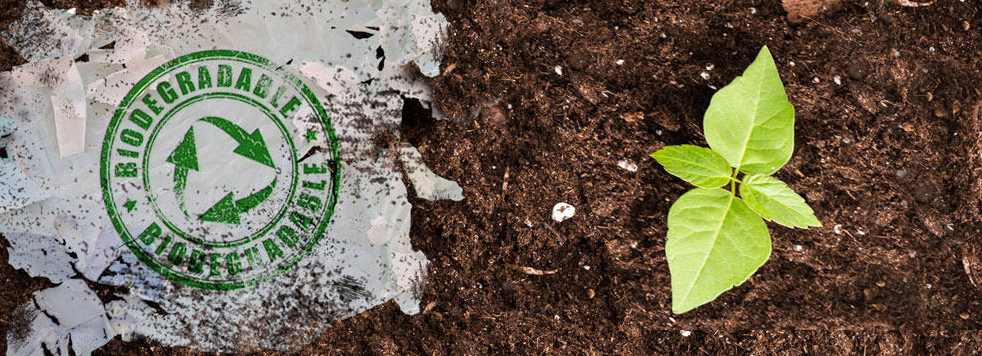
Some bioplastics are biodegradable, meaning they can be broken down by microorganisms into natural elements such as water, carbon dioxide, and biomass. This makes them a more sustainable alternative to traditional plastics, which can take hundreds of years to decompose.
However, it is important to note that bioplastics still have some limitations. For example, the production of bioplastics can still require a significant amount of water and energy, and some bioplastics may not biodegrade under certain conditions.
In summary, while bioplastics offer several environmental benefits over traditional plastics, they are not without their own challenges. It is crucial to continue research and development in bioplastics to improve their environmental impact and make them a more sustainable option for the future.