Along with efforts to mitigate the harmful effects of plastic on the environment, biodegradable plastic has emerged as a green alternative to traditional plastic. Many people still confuse biodegradable plastic with bioplastic. In this article, let's explore what biodegradable plastic is and how it differs from bioplastic.
I. What is Biodegradable Plastic?
Biodegradable plastic is a type of plastic that can be decomposed by microorganisms into natural substances such as water, carbon dioxide, and biomass. This process occurs over a period, typically ranging from a few months to several years, depending on specific conditions and the type of biodegradable plastic. Unlike traditional plastics that can persist in the environment for hundreds of years, biodegradable plastics offer a more sustainable and environmentally friendly alternative.
Biodegradable plastic is produced using renewable resources, microorganisms, petrochemicals, or a combination of all three.
II. Biodegradable Plastic vs. Bioplastic
There is currently a lot of confusion between biodegradable plastic and bioplastic. Although they share many similarities and the common goal of replacing traditional plastics and reducing plastic's harm to the environment, these are two distinct concepts.
Bioplastics are wholly or partially derived from renewable biomass; however, some biodegradable plastics are entirely derived from petroleum. Furthermore, not all bioplastics are biodegradable. Some plastics are both bioplastics and biodegradable.
The biodegradability depends on the origin, additive composition, manufacturing process, and intended use. Moreover, biodegradability also requires specific conditions and proper disposal methods to function.
The concept of "bioplastic" remains controversial. This term is being labeled for products that may be bio-based or biodegradable, or both, even if they are petroleum-derived and contain no biological components.
III. Types of Biodegradable Plastic
A. Bio-based Plastics
Bio-based biodegradable plastics are plastics produced from natural sources, such as plants, animals, or microorganisms.
Common types of bio-based biodegradable plastics include:
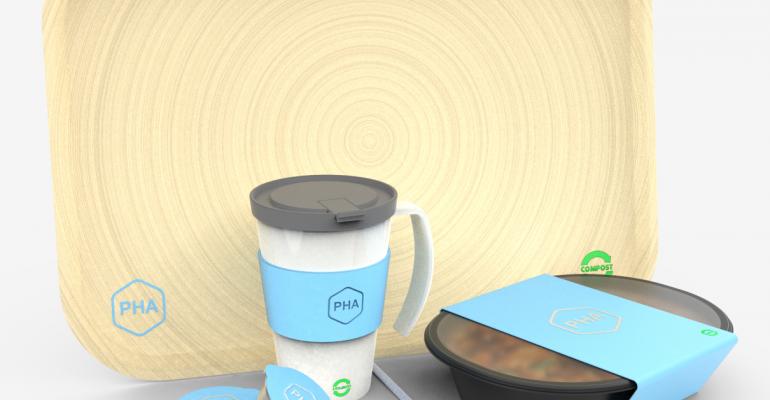
Polyhydroxyalkanoates (PHA)
Polyhydroxyalkanoates are a type of biodegradable plastic naturally produced by various microorganisms. PHA biosynthesis is often stimulated by limiting certain nutrients and providing an excess carbon source to the organisms. PHA granules are then recovered by lysing the microorganisms.
Polylactic Acid (PLA)
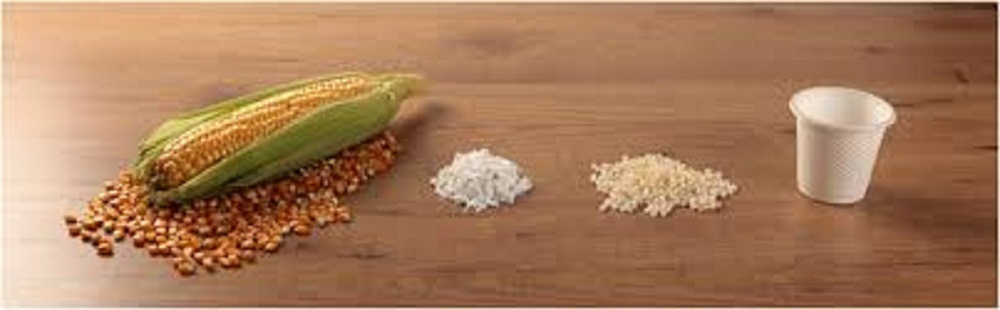
Polylactic acid is a thermoplastic aliphatic polyester synthesized from renewable biomass, typically from fermented plant starches such as corn, cassava, sugarcane, or sugar beet pulp. In 2010, PLA had the second-highest consumption of bioplastics globally.
Starch-based Plastics
Starch-based plastics are thermoplastic polymers produced by mixing starch with plasticizers. Because starch polymers themselves are very brittle at room temperature, plasticizers are added in a process called starch gelatinization to enhance their crystallization. Although all starches are biodegradable, not all plasticizers are. Therefore, the biodegradability of the plasticizer determines the biodegradability of the starch blend.
Cellulose-based Plastics
Cellulose-based bioplastics are primarily cellulose esters (including cellulose acetate and nitrocellulose) and their derivatives, including celluloid. Cellulose can become thermoplastic when highly modified.
Lignin-based Synthetic Plastics
Lignin-based synthetic plastics are bio-renewable aromatic polymers with biodegradable properties. Lignin is found as a byproduct of extracting polysaccharides from plant raw materials through paper and ethanol production.
(See more: Types of bioplastics)
B. Petrochemical-based Biodegradable Plastics
Conventional petrochemical-based plastics such as PET, PE, and PP are not biodegradable. However, the following plastics can biodegrade through special methods or additives:
Polyglycolic Acid (PGA)
Polyglycolic acid is a synthetic polymer commonly used in the medical field. It is biodegradable and often used in the production of surgical sutures. PGA sutures are favored due to their absorbability by the body, reducing the need for removal after the healing process.
Polybutylene Succinate (PBS)
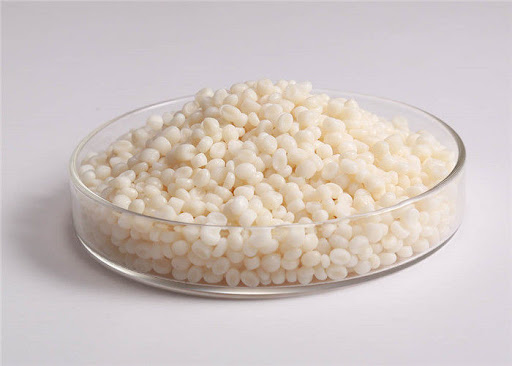
Polybutylene succinate is a thermoplastic polymer with properties comparable to polypropylene. It is used in food and cosmetic packaging films. In agriculture, PBS is used as a biodegradable mulch film.
Polycaprolactone (PCL)
Polycaprolactone has gained prominence as an implantable biomaterial because the hydrolysis of its ester bonds imparts biodegradable properties.
Poly(vinyl alcohol) (PVA, PVOH)
Poly(vinyl Alcohol) is one of the few water-soluble vinyl polymers that are biodegradable. Due to its water solubility, PVA has numerous applications including food packaging, textile coatings, paper coatings, and healthcare products.
IV. Benefits and Limitations of Biodegradable Plastics
A. Why Use Biodegradable Plastic?
One of the main benefits of biodegradable plastic is its ability to reduce plastic waste. Traditional plastics can take hundreds of years to decompose, but biodegradable plastics, if properly managed, can decompose in just a few months to several years, reducing the environmental impact of plastic pollution.
Additionally, biodegradable plastics are made from renewable resources such as corn, sugarcane, or vegetable oils, making them a more sustainable alternative to traditional plastics made from non-renewable fossil fuels.
Furthermore, biodegradable plastics can help reduce the carbon footprint associated with plastic production and disposal. By using renewable resources and reducing plastic waste, biodegradable plastics can help minimize the environmental impact of plastic manufacturing and disposal.
Beyond their environmental benefits, biodegradable plastics also offer similar functionality and durability to traditional plastics, making them a practical choice for a wide range of applications. From packaging to disposable cutlery, biodegradable plastics provide a sustainable solution without compromising performance.
B. Limitations
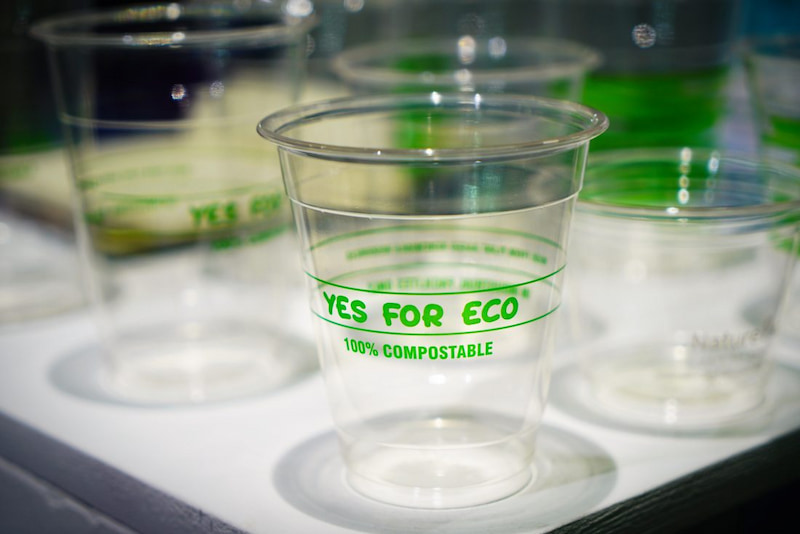
Many types of biodegradable plastics require a qualified waste treatment system to ensure complete decomposition. If merely disposed of through conventional methods such as landfilling or release into the environment and oceans, products made from these plastics will not decompose.
Some plastic items labeled as 'biodegradable' only break down into smaller fragments like microplastics or into smaller units that cannot fully decompose.
The use of biodegradable plastics offers financial benefits only in contexts where specific regulations restrict the use of conventional plastics.
V. Applications of Biodegradable Plastic

Biodegradable plastics have gained popularity in recent years due to their environmental benefits:
- Packaging: Biodegradable plastics are often used in packaging materials such as bags, containers, and wraps.
- Agricultural Industry: Biodegradable plastics are used in the agricultural sector to create mulch films, which are spread over the ground to retain moisture and control weeds.
- Medical Industry: Biodegradable plastics are used in medical implants. They are designed to degrade in the body over time, eliminating the need for additional surgery for removal.
- Consumer Goods: Biodegradable plastics are used in a variety of consumer goods such as toys and disposable items.