Bioplastics, also known as bio-based plastics, are a type of plastic made from renewable resources such as corn starch, sugarcane, or vegetable oil. Many types of bioplastics have been developed by researchers based on various raw materials. This article will delve into the details of successfully developed bioplastic types currently available.
1. Starch-Based Bioplastics
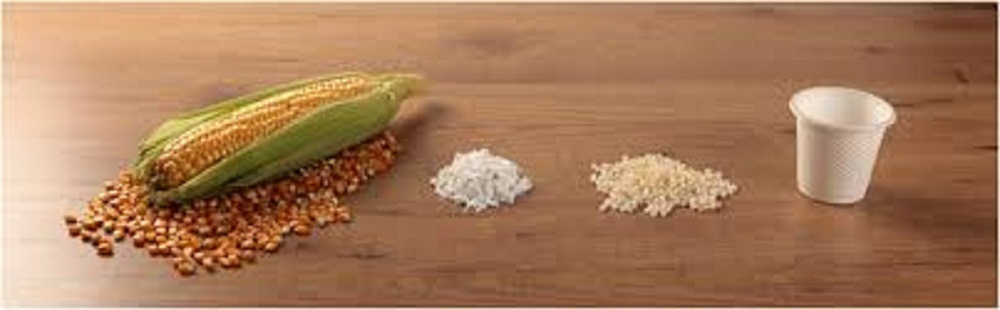
Starch-based plastic is a bioplastic made from starches such as corn, potato, and cassava; this type of plastic accounts for approximately 50% of the bioplastics market.
Starch-based plastics are created by extracting starch from plants and processing it into polymers. This polymer can then be molded into various shapes and forms, similar to traditional plastics. Conventional polymer processing techniques can be used to process starch into bioplastics, such as extrusion, injection molding, compression molding, and solution casting.
Pure starch-based bioplastics are brittle. Plasticizers such as glycerol, glycols, and sorbitol can also be added so that starch can be processed as a thermoplastic. The properties of the resulting starch plastics can be tailored to specific needs by adjusting the amount of these additives.
Starch-based plastics have been used in a variety of products, including food packaging, disposable cutlery, and even toys. Starch-based plastics will decompose over time when exposed to agents. Starch-based plastics also have a lower carbon footprint than traditional plastics.
2. Cellulose Bioplastics
Cellulose-based plastic is a type of bioplastic derived from cellulose, a natural polymer found in plants. This type of plastic is biodegradable and renewable.
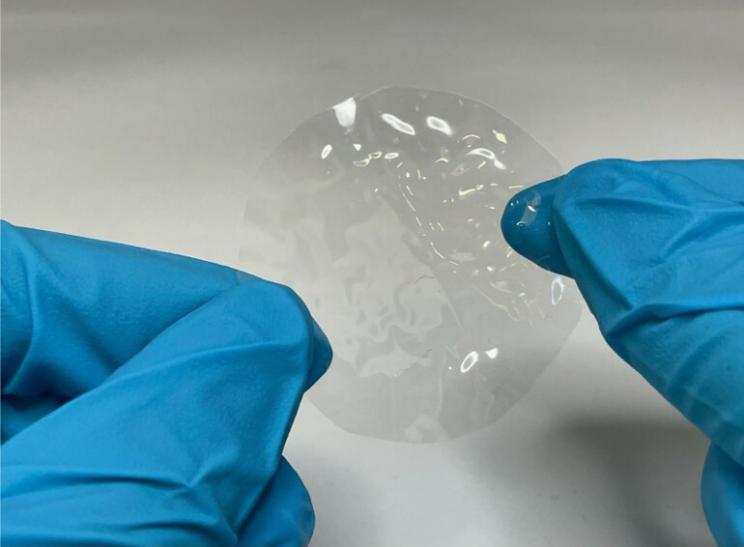
However, cellulose-based plastics still have some limitations, such as relatively high production costs. Nevertheless, cellulose fibers added to starch plastics can improve mechanical properties, gas permeability, and water resistance due to being less permeable to water than starch.
3. Chitosan Bioplastics
Chitosan bioplastics are derived from chitin, a natural polymer found in the exoskeletons of crustaceans; for example, shrimp shells. Chitosan bioplastics are biodegradable and environmentally friendly.
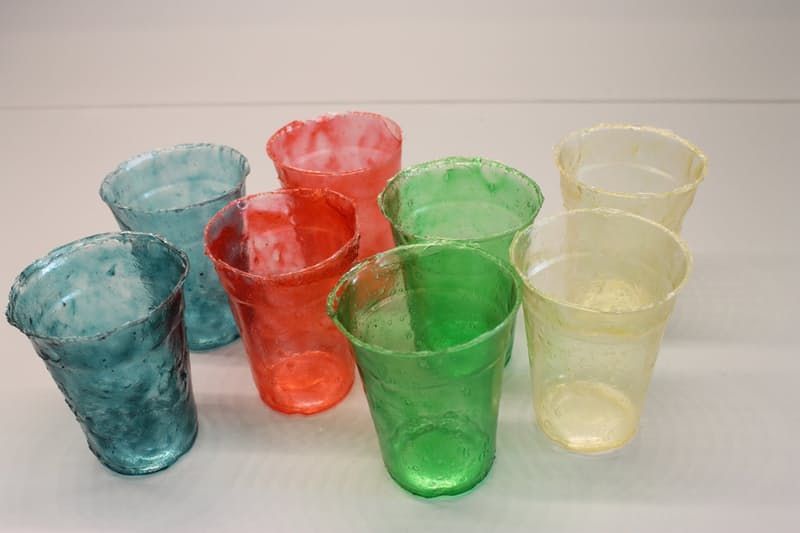
These bioplastics have many applications, from packaging materials to medical devices. They are also being used in the agricultural industry as biodegradable mulching films.
In addition to their biodegradability, chitosan bioplastics also possess antimicrobial properties, making them suitable for use in food packaging to extend shelf life and reduce food waste.
4. Seaweed-Based Bioplastics
Seaweed-based bioplastics are biodegradable and have a lower environmental impact compared to petroleum-based plastics. They are also renewable and sustainably sourced.
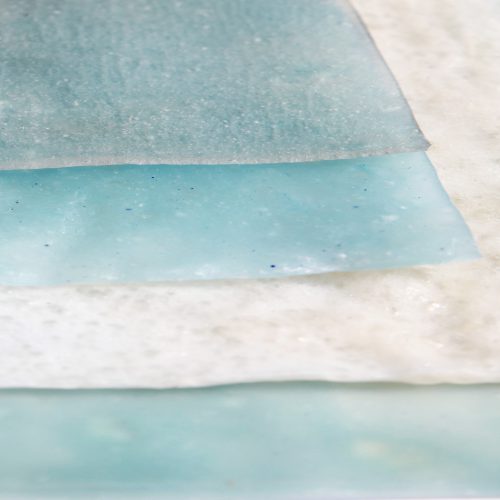
This type of bioplastic has many applications, including packaging, medical devices, and 3D printing. They are also non-toxic and can be safely processed in composting facilities.
In addition to being environmentally friendly, seaweed bioplastics also possess excellent mechanical properties, making them a viable option for various industries.
5. PLA Bioplastics
PLA (Polylactic acid) bioplastics are made from corn starch or sugarcane. Outwardly, it is similar to common traditional petrochemical-based plastics like PS.
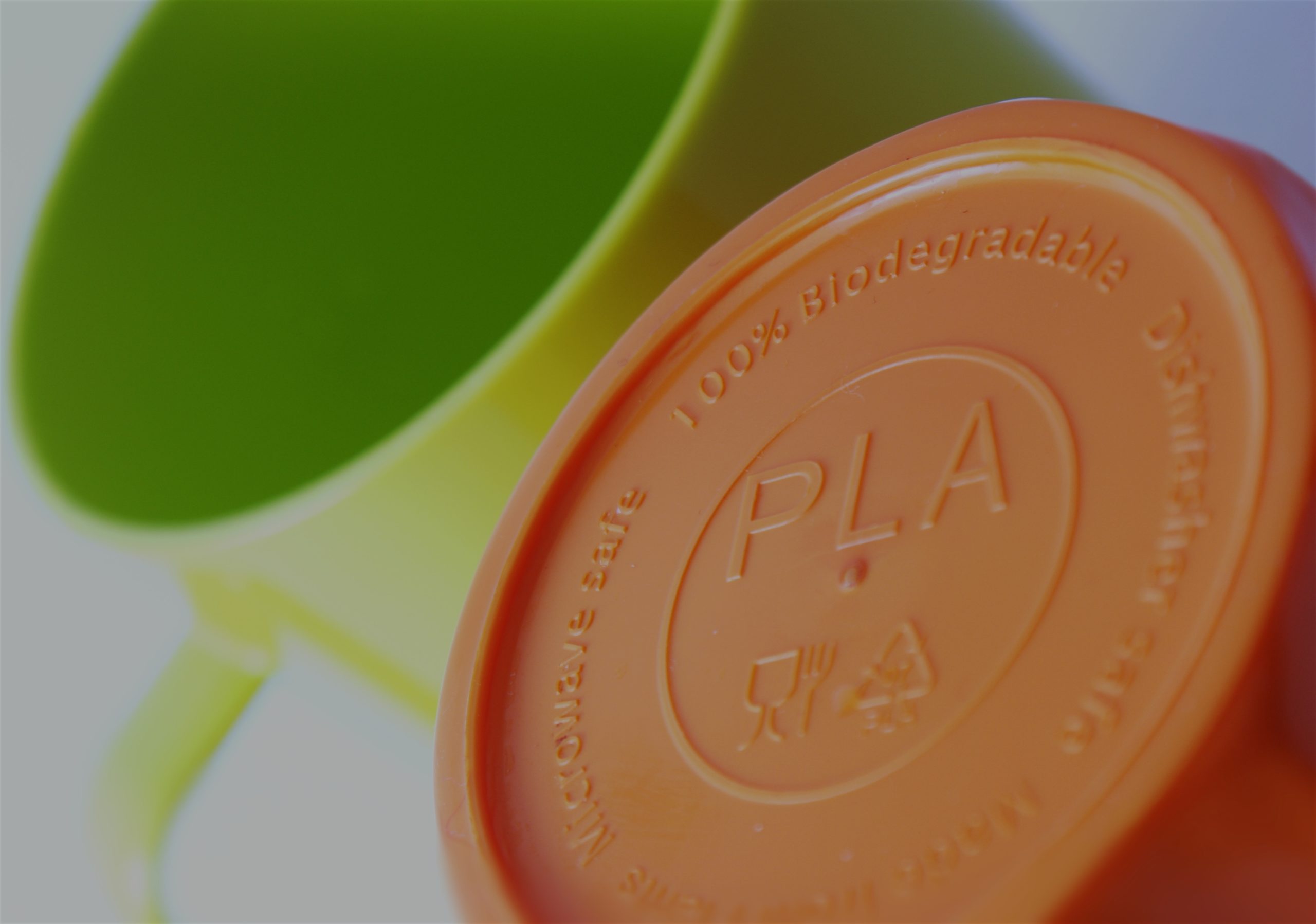
Its advantages are that it is plant-derived and easily biodegradable. However, it has poor impact strength, heat resistance, and barrier properties (preventing air transport through the film).
PLA is used on a limited scale for the production of films, fibers, plastic containers, cups, and bottles.
6. PHA Bioplastics
PHA (Polyhydroxyalkanoates) plastics are linear polyesters produced naturally by bacterial fermentation of sugars or lipids. They are created by bacteria for carbon and energy storage. In industrial production, polyesters are extracted and purified from bacteria by optimizing conditions for the fermentation of sugars.
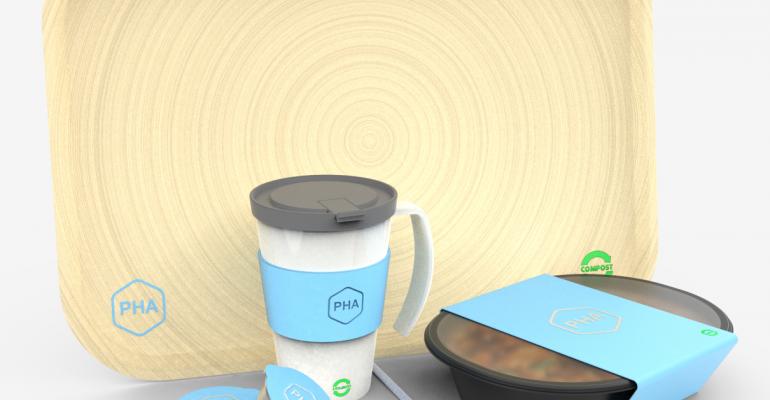
PHA is more flexible and less elastic than other plastics, and it is also biodegradable. These plastics are widely used in the medical industry.
7. PHB Bioplastics
PHB (Poly-3-hydroxybutyrate) plastic is a type of polyester produced by certain bacteria from glucose and corn starch. Its properties are similar to those of polypropylene (PP) plastic.
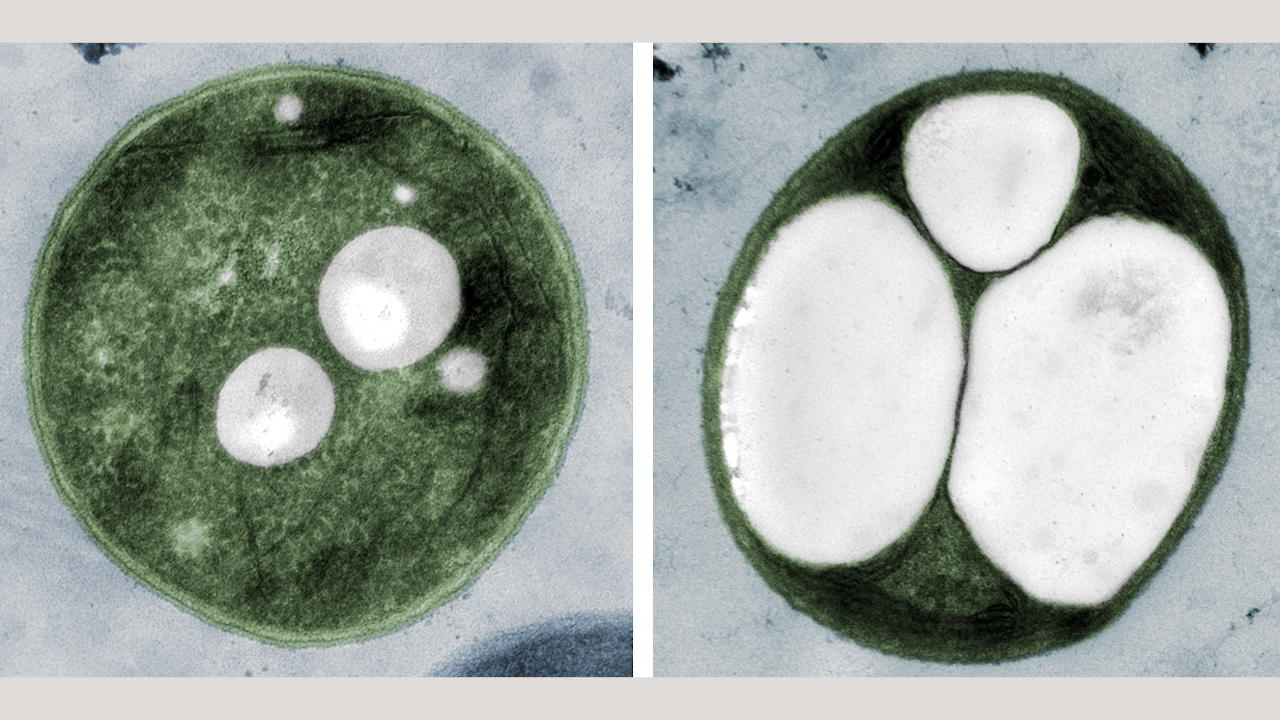
PHB is notable for its physical properties. It can be processed into transparent films with a melting temperature above 130 degrees Celsius and is biodegradable without leaving residue.
PHB has many applications, including packaging, disposable cutlery, and even medical implants.
8. Bio-based PE Plastics
Bio-based PE plastics can be produced by fermenting agricultural raw materials such as sugarcane or corn. Bio-based polyethylene is chemically and physically identical to traditional polyethylene – it is not biodegradable but is recyclable. However, it uses renewable resources instead of fossil raw materials such as petroleum.
9. Conclusion
In the effort to create a more sustainable environment, the development of bioplastics is crucial. Bioplastics are derived from renewable resources and have the potential to reduce our reliance on traditional plastics that are harmful to the environment.
Continued research and development in this field are essential for a greener future. By creating more types of bioplastics, we can expand their applications and make them more viable alternatives to conventional plastics.
(see more: What are bioplastics?)