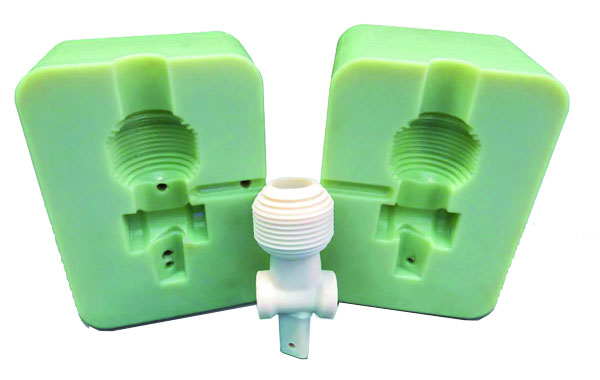
In recent years, advances in materials science and manufacturing technology have enabled the creation and production of plastic compounds with tailored properties to meet specific application requirements. These plastics can combine the advantages of various plastic materials to create flexible and high-performance materials. In this article, let's explore the potential of plastic compounds in the plastics industry and other sectors with CPI Plastic.
1. Concept and characteristics of plastic compounds
Plastic compound refers to a type of plastic material created by blending plastics with additives or by blending two or more types of plastics together.
One of the main purposes of creating plastic compounds is to enhance the properties and characteristics of the base plastic or to combine the desired properties of multiple plastics into a single material. This process allows manufacturers to leverage the strengths of each plastic type, while minimizing or eliminating their individual weaknesses. By skillfully blending different plastics, the resulting plastic compound can provide a combination of properties that a single plastic alone could not achieve.
The properties of plastic compounds can vary depending on the specific plastic types used and the desired outcome. However, there are some common properties that are often targeted when creating plastic compounds. These properties include improved strength, enhanced flexibility, increased chemical resistance, superior heat resistance, or even reduced manufacturing costs.
Another characteristic of plastic compounds is the ability to customize the material to meet specific application requirements. This customization capability allows manufacturers to create plastics optimized for particular industries or products. For example, the automotive industry may require a plastic with exceptional durability and heat resistance, while the packaging industry may demand a plastic with high flexibility and impact resistance.
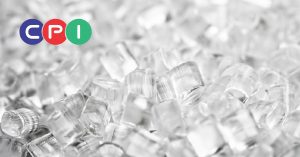
It is important to note that the process of plastic compounding requires careful consideration and expertise. Factors such as plastic compatibility, processing conditions, and proper blending techniques must be taken into account to ensure the desired properties are achieved.
In summary, plastic compound is a versatile material that combines the desired properties of various plastic types. It offers the potential for customized material solutions, improved performance characteristics, and cost optimization. By leveraging the expertise of plastic compounders or material engineers, manufacturers can create compounded plastics that meet the unique requirements of their specific applications.
(See more: Plastic compound production process)
2. Advantages and benefits of using plastic compounds
Using plastic compounds offers numerous benefits and can significantly enhance plastic manufacturing processes and product performance. Here are some key points:
- Enhanced product properties: Plastic compounds incorporate various additives, fillers, processing aids, and even multiple polymer types to create customized materials. This allows for the enhancement of specific properties, such as improved strength, durability, flame resistance, and chemical resistance. By tailoring the plastic composition to specific requirements, you can optimize product performance and meet industry standards.
- Cost-effectiveness: Compounded plastics allow for the use of fillers, such as glass fibers or mineral powders, which can significantly reduce raw material costs. These fillers not only enhance mechanical properties but also help to reduce the overall weight of the product. Additionally, compounded plastic formulations often have better processing characteristics, which can save time and energy during production. Plastic compound is a pre-blended material, used as a single material without needing any additional blending during the production process.
- Design flexibility: The versatility of plastic compounds allows for greater design freedom. By incorporating additives or reinforcing agents, properties like stiffness, flexibility, and impact resistance can be adjusted. This means products can be precisely engineered to meet design requirements while still achieving desired aesthetics and functionality.
- Minimized environmental impact: Incorporating recycled content or bio-based materials into plastic compound formulations can support sustainability goals. By using recycled materials, waste can be reduced and resources conserved, leading to a greener production process. Additionally, some bio-based compounds can result in a lower carbon footprint and promote the use of renewable resources.
- Streamlined manufacturing: Plastic compounds are designed to optimize processability, ensuring efficient manufacturing operations. These plastics exhibit excellent flow properties, reduced shrinkage, and improved dimensional stability, allowing for easier processing on various equipment and reducing the likelihood of production errors. This can lead to higher manufacturing productivity and cost savings.
By leveraging the advantages of plastic compounds, manufacturers can transform their production processes and create products with superior properties, cost-effectiveness, design flexibility, and environmental friendliness.
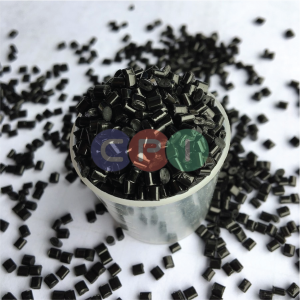
3. Applications of plastic compounds in various industries
Plastic compound is a versatile material with applications across diverse industries due to its unique properties and advantages. The advantages of plastic compounds in several industries:
- Automotive Industry: Plastic compounds are widely used in the automotive sector to produce various components such as interior and exterior trims, dashboards, door panels, and bumper fascias. Its lightweight nature, high strength, and durability make it an ideal choice for reducing vehicle weight, improving fuel efficiency, and enhancing overall performance.
- Packaging Industry: Plastic compound granules play a crucial role in the packaging industry. They are extensively used in the production of containers, bottles, caps, and films. The excellent barrier properties of plastic compounds protect the enclosed products from moisture, gases, and UV radiation, ensuring product integrity and extending shelf life.
- Electrical and Electronics Industry: Plastic compounds are widely employed in the electrical and electronics field for manufacturing components such as connectors, housings, insulation materials, and circuit boards. Its high dielectric strength, thermal stability, and flame retardancy make it an excellent choice for ensuring safety and reliability in electrical applications.
- Construction Industry: Plastic compound granules find applications in the construction industry for various purposes. They are used in the production of pipes, fittings, insulation materials, roofing sheets, and window profiles. The resistance of plastic compounds to moisture, chemicals, and weathering contributes to the longevity and durability of construction structures.
- Medical and Healthcare Industry: Plastic compounds are widely utilized in the medical and healthcare sector due to their biocompatibility, sterilizability, and chemical resistance. They are used in the production of medical devices, surgical instruments, implants, drug delivery systems, and packaging for pharmaceutical products, ensuring safety, reliability, and improved patient outcomes.
- Consumer Goods Industry: Plastic compounds are used in the production of a wide array of consumer goods, including home appliances, furniture, toys, and sporting equipment. Its versatility, moldability, and ability to replicate various textures make it an excellent choice for creating innovative and appealing products.
These are just a few examples of the industries where plastic compounds can be utilized. Its versatility, adaptability, and cost-effectiveness make it a preferred choice for manufacturers across various sectors.
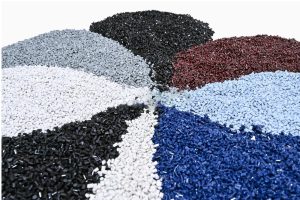
4. Summary
The potential for plastic compounds to replace traditional materials is vast and rapidly expanding. Their superior performance, lightweight nature, environmental sustainability, and cost-effectiveness make them a preferred choice for industries looking to revolutionize their materials.
In summary, plastic compounds demonstrate significant potential in revolutionizing the future of the plastic manufacturing industry. Their ability to combine diverse properties, optimize cost-effectiveness, and support sustainable practices offers a promising path forward for the industry.
(Refer to plastic compound products at CPI Plastic)