
Plastic waste has become a major environmental issue in recent years, with millions of tons of plastic being discarded into landfills and oceans annually. Plastic degrades slowly, meaning it can persist in the environment for hundreds of years, harming wildlife and ecosystems. To address this growing crisis, innovative solutions are being developed to reduce plastic waste and promote sustainability. One such solution is the construction of roads made from plastic waste.
I. Understanding the concept of plastic roads
In Vietnam, 'đường nhựa' (plastic road) often refers to asphalt roads. Asphalt roads are made from a mixture of aggregate and asphalt cement. This mixture is heated, then spread in layers and compacted to create the road surface. The main component of asphalt is bitumen – a highly viscous, black liquid or semi-solid substance found in most types of crude oil and some natural sediments.
On the other hand, a plastic road is a new concept in road construction. A plastic road is a road made partially or entirely from plastic. Plastic roads were first developed in India in 2001, using an asphalt mixture combined with plastic waste to partially replace bitumen. In 2019, Vietnam successfully constructed its first traffic road from plastic scrap and plastic waste.
Furthermore, in the Netherlands, in the cities of Zwolle and Giethoorn, there are two bicycle paths made entirely from plastic waste. This is the result of a collaboration between three companies: VolkerWessels, Wavin, and Total. The "plastic road" built by the three companies consists of modular, hollow, prefabricated components made from post-consumer plastic waste.
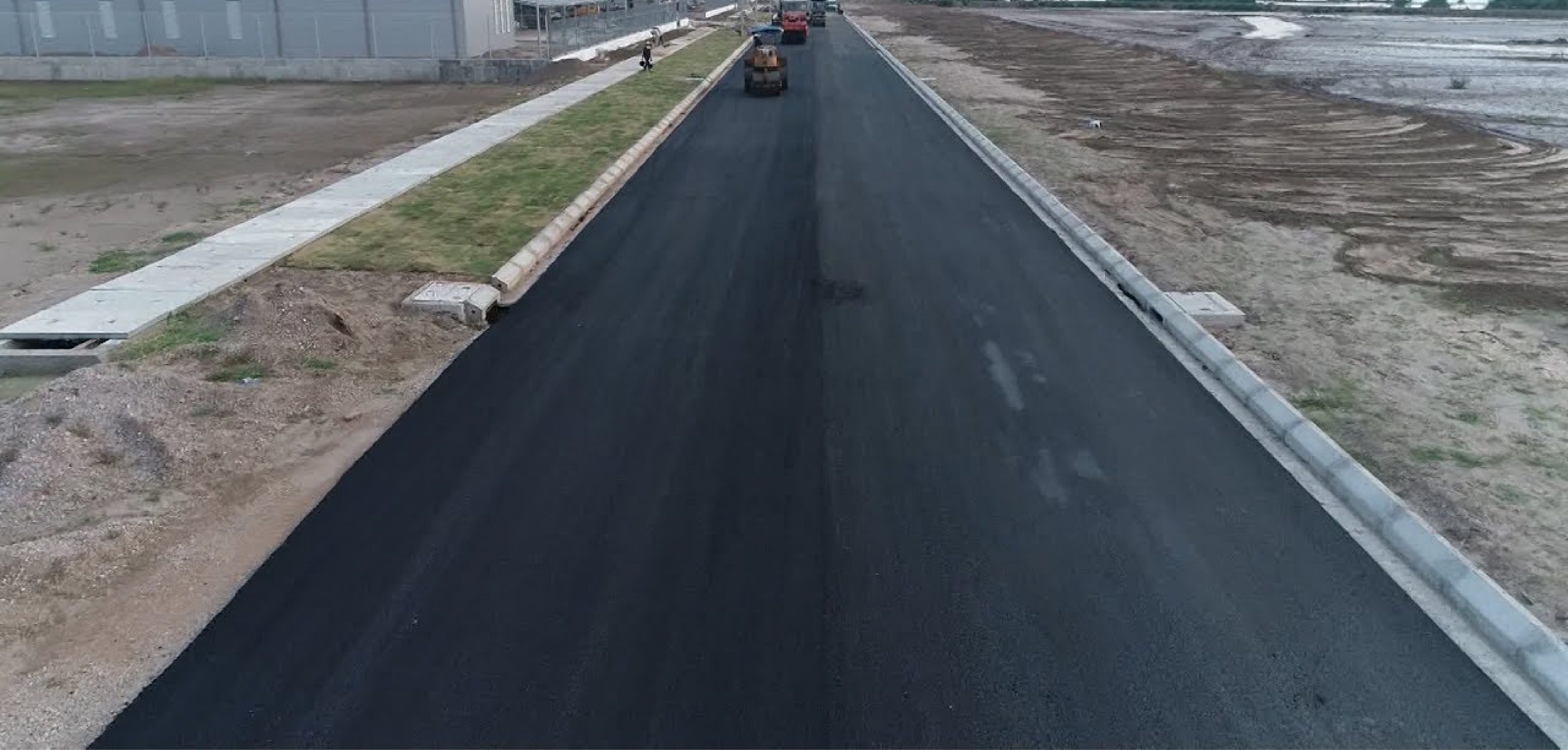
Plastic roads made from plastic waste offer a sustainable alternative to traditional asphalt roads, where recycled plastic waste is used as a component in road construction. The plastic waste is shredded and mixed with bitumen to create a durable and flexible material that can withstand heavy traffic and harsh weather conditions. This not only helps reduce the amount of plastic waste going into landfills and oceans but also provides many benefits compared to conventional roads.
II. Benefits of using plastic roads
A. High Durability
Plastic roads are known to have higher wear resistance compared to traditional asphalt roads. This means they require less maintenance and repairs, saving time and money in the long run. Additionally, plastic roads have a longer lifespan.
B. Cost-Effectiveness
In terms of cost-effectiveness, plastic roads also have more reasonable construction and maintenance costs. The material used for plastic roads is often recycled plastic, which is cheaper than traditional road materials. This makes plastic roads a cost-effective solution for cities looking to upgrade their infrastructure without incurring excessive expenses.
C. Reduced Plastic Waste
By using recycled plastic in road construction, cities can divert plastic waste from landfills and oceans, helping to mitigate the global plastic pollution crisis. This not only benefits the environment but also promotes a circular economy by reusing materials that would otherwise become waste.
D. Environmental Benefits
The use of recycled plastic in road construction reduces the demand for virgin materials, such as oil and aggregates, helping to conserve natural resources. Additionally, plastic roads have been shown to be more resistant to water damage and erosion, which can improve stormwater management and reduce flooding in urban areas.
III. Limitations and Challenges
A limitation of plastic roads is their sensitivity to temperature fluctuations. Plastic roads have been found to soften and deform at high temperatures, which can lead to rutting and cracking. Additionally, the plastic content in the roads can make them susceptible to expansion and contraction, especially in regions with extreme weather conditions. This can result in premature deterioration of the road surface and increased maintenance costs.
Furthermore, the use of roads made from plastic waste raises concerns about the potential release of toxic chemicals into the environment. As plastic roads age and degrade, there is a risk that harmful substances from the plastic waste could leach into the soil and water, posing a threat to human health and ecosystems. Proper treatment and recycling of plastic waste are essential to mitigate these risks and ensure the sustainability of plastic road projects.
Despite these challenges, research and development efforts are underway to address the limitations of plastic roads and improve their performance. Innovations such as incorporating additives and modifiers into the plastic-bitumen mixture, as well as optimizing design and construction processes, are being explored to enhance the durability and resilience of plastic roads.
In summary, while plastic roads offer a promising solution for plastic waste management and sustainable infrastructure development, they also present challenges and limitations that need to be carefully considered and addressed. By implementing proper quality control measures, developing standardized guidelines, and conducting thorough research, the full potential of plastic roads as a viable and environmentally friendly road construction option can be realized.