In the manufacturing sector, plastic injection molding stands out as a pivotal process that has revolutionized the production of a wide range of products. From intricate automotive components to everyday consumer goods, plastic injection molding plays a crucial role in shaping our modern world. In recent years, the industry has witnessed a wave of innovations that are redefining how molds are made and utilized. This article delves into current trends, future innovations, benefits, and challenges associated with advancements in plastic injection mold technology.
I. Current Trends in Plastic Injection Molds
A. Utilizing 3D Printing Technology for Mold Making
One of the most significant trends in plastic injection mold manufacturing is the adoption of 3D printing technology for mold creation. This innovative approach allows for rapid prototyping, intricate designs, and the cost-effective production of molds with complex geometries.
B. Integrating Automation and Robotics in the Injection Molding Process
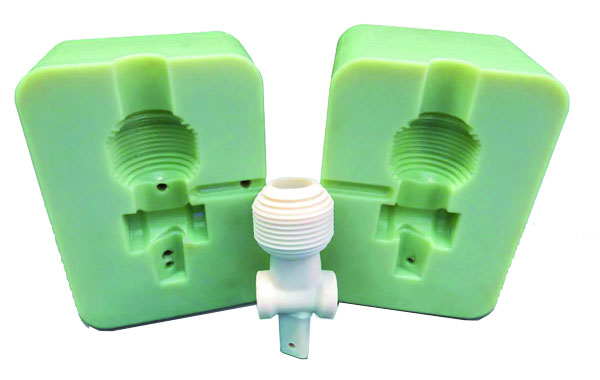
Automation and robotics are increasingly being integrated into the injection molding process to enhance efficiency, reduce cycle times, and ensure consistent quality. Automated systems can perform tasks such as mold loading, part ejection, and quality inspection with precision and speed.
C. Developing Sustainable and Environmentally Friendly Materials for Molds
With an increasing focus on sustainability, manufacturers are exploring the use of environmentally friendly materials for mold production. Biodegradable plastics, recycled materials, and bio-based resins are being utilized to create molds that are not only eco-conscious but also durable and cost-effective.
II. Future Innovations in Plastic Injection Molds
A. Smart Molds with Sensors for Real-time Monitoring
The future of plastic injection mold technology lies in the development of smart molds equipped with sensors for real-time monitoring of temperature, pressure, and other critical parameters. These intelligent molds allow manufacturers to optimize the molding process, detect defects early, and ensure consistent part quality.
B. Advancements in Mold Design Software for Optimization and Customization
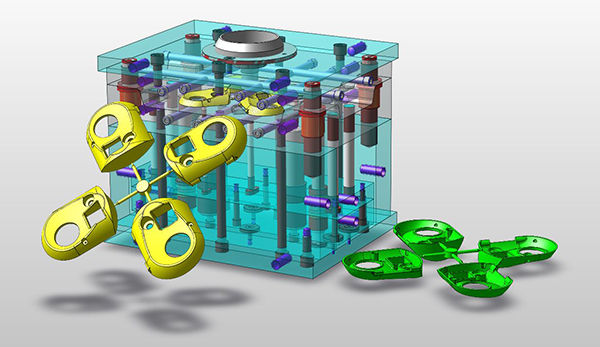
Advancements in mold design software are set to revolutionize how molds are designed and customized. Advanced simulation tools, generative design algorithms, and virtual prototyping capabilities will enable manufacturers to optimize mold designs for enhanced performance, efficiency, and cost-effectiveness.
C. Implementing Artificial Intelligence for Predictive Maintenance and Process Improvement
Artificial Intelligence (AI) is poised to play a significant role in the future of plastic injection mold manufacturing. AI algorithms can analyze vast amounts of data to predict maintenance needs, optimize process parameters, and enhance overall productivity. By leveraging AI, manufacturers can achieve greater efficiency, reduced downtime, and improved quality control.
III. Benefits of Innovations in Plastic Injection Molds
A. Increased Efficiency and Productivity in Manufacturing
Innovations in plastic injection mold technology promise increased efficiency and productivity in the manufacturing process. By streamlining operations, reducing cycle times, and optimizing mold designs, manufacturers can achieve higher output rates and lower production costs.
B. Reduced Waste and Environmental Impact
The adoption of sustainable materials and environmentally friendly practices in mold manufacturing can significantly reduce waste and environmental impact. By choosing recyclable materials and implementing energy-efficient processes, manufacturers can contribute to a greener and more sustainable future.
C. Enhanced Product Quality and Consistency
Innovations such as smart molds, advanced design software, and AI-driven optimization tools can enhance product quality and consistency. By ensuring precise control over the molding process, manufacturers can produce parts with tight tolerances, minimal defects, and superior surface finishes.
IV. Challenges and Limitations in Plastic Injection Mold Improvement
A. Initial Investment Cost
One of the primary challenges in adopting new technologies in plastic injection mold manufacturing is the initial investment cost. Implementing automation, robotics, smart molds, and AI-driven solutions requires a significant upfront investment, which can deter some manufacturers from embracing these innovations.
B. Training and Skill Development for the Workforce
Another challenge is the need for training and skill development for the workforce to effectively utilize new technologies. Manufacturers must invest in training programs to ensure that their employees have the necessary expertise to operate automated systems, interpret sensor data, and leverage advanced software tools.
C. Compatibility with Existing Manufacturing Infrastructure
Integrating new technologies into existing manufacturing infrastructure can pose compatibility challenges. Manufacturers need to ensure that new equipment, software, and processes seamlessly integrate with their current systems to avoid disruptions in production and maintain operational efficiency.
V. Conclusion
In conclusion, the future of manufacturing is intrinsically linked to innovations in plastic injection mold technology. By embracing trends such as 3D printing, automation, sustainable materials, and smart molds, manufacturers can unlock a myriad of possibilities for enhanced efficiency, quality, and sustainability. While challenges such as initial costs, workforce training, and infrastructure compatibility persist, the benefits of adopting new technologies far outweigh the hurdles. It is imperative for manufacturers to stay abreast of the latest developments in plastic injection mold technology and seize the opportunities presented by these innovations to drive the plastic manufacturing industry forward.