Identifying plastic types is crucial for usage, production, recycling, and waste management. Different plastic types have distinct properties, intended uses, applications, and can be recycled in various ways. The article below will present the most common methods for identifying plastic types.
I. Why is it necessary to identify plastic types?
By identifying plastic types, consumers can make more informed decisions about the products they use. For manufacturers, identifying plastic types plays a crucial role in researching, analyzing, and developing formulas for plastic product manufacturing. Furthermore, recognizing plastic types facilitates easier sorting and processing for recycling.
II. Methods for identifying plastic types
A. Visual inspection
1. Find the recycling code
The recycling code, also known as the plastic identification code, is a numerical symbol from 1 to 7 enclosed within a triangular arrow. This code is typically found on the bottom of plastic products and is used to indicate the type of plastic used in the product.
This method can help users identify the 7 most common plastic types, as well as assist in the sorting process for recycling plastic products.
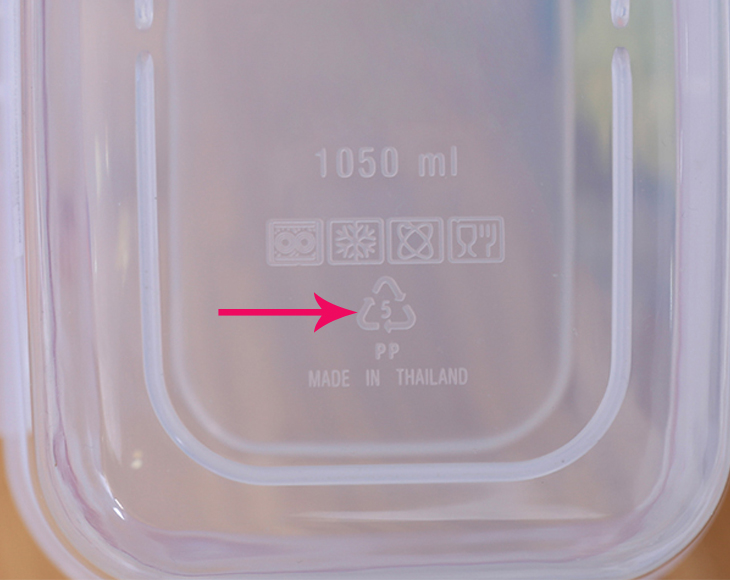
(See more: Symbols on plastic products)
2. Examine physical properties
Different plastic types have different physical properties, such as transparency, density, flexibility, or hardness. By examining these properties, you can often make an educated guess about the plastic type.
- Polyethylene (PE): This is a very flexible and soft plastic, translucent in color. It is commonly used in plastic bags, food packaging, and squeeze bottles.
- Polypropylene (PP): Similar to PE, PP is also flexible and translucent but has higher rigidity than PE. It is commonly used for food containers, bottle caps, and straws.
- Polyvinyl Chloride (PVC): PVC is a rigid plastic, not very flexible, and transparent. It is often used in pipes, building materials, and credit cards.
- Polystyrene (PS): PS is a hard, brittle, opaque plastic. It is used in foam packaging, disposable cups, and cutlery.
- Polyethylene Terephthalate (PET): PET is a flexible and durable plastic, transparent. It is commonly used in soda bottles, food containers, and synthetic fibers.
- Acrylonitrile Butadiene Styrene (ABS): ABS is a hard and tough plastic, opaque. It is used in electronic casings, automotive parts, and toys.
- Polycarbonate (PC): PC is a very strong and tough plastic, transparent. It is used in lenses, water bottles, and medical devices.
The method of identification based on physical properties may not be precise, requiring knowledge and experience for accurate identification.
Checking transparency only helps identify the plastic type of products using virgin plastic without additives or colorants.
3. Burn test
The burn test involves igniting a small piece of plastic and observing the flame, smoke, and odor. Different plastic types produce different results when burned, allowing you to identify the plastic type based on these observations.
| Plastic Type | Flame Color | Odor | Burning Speed | Other Characteristics |
| ABS | Yellow, blue border | Acrid | Slow | Black smoke with soot |
| PE | Blue flame, yellow tip | Waxy | Slow | Drips, continues to burn after ignition source is removed |
| PP | Blue flame, yellow tip | Chemical, sweet | Slow | Drips, continues to burn after ignition source is removed |
| PS | Yellow flame | Illuminating gas smell | Fast | Thick black smoke with soot |
| PSU | Orange flame | – | – | Black smoke |
| PU | Yellow flame | – | Slow | Black smoke |
| PVC | – | Pungent, acrid | – | Dark black smoke, self-extinguishes when ignition source is removed |
| PET | Yellow flame | Sweet | – | Shrinks away from the flame and self-extinguishes |
4. Chemical tests
These chemical tests involve using various chemicals to observe the plastic's reaction, which can provide valuable information about its composition.
5. Using spectroscopic equipment
For more advanced and accurate identification, spectroscopic equipment can be used to analyze the molecular composition of plastics and determine their type. This method is often used in recycling facilities and laboratories for precise identification of plastic types.
III. Summary
In summary, there are several methods for identifying plastic types, including checking plastic identification codes, performing physical property tests, burn and chemical tests, and using spectroscopic equipment. By being able to identify plastic types, we can ensure plastic products are used for their intended purpose, recycled, and disposed of properly.
It is important to note that while these methods can help identify plastic types, they should be used with caution and in well-ventilated areas, especially when conducting burn tests, as plastics can release harmful substances when burned. Additionally, if you are unsure about the plastic type, it is best to consult a recycling facility or a professional for proper identification and handling.