The demand for anti-static plastics has significantly increased in recent years, driven by the growing reliance on sensitive electronic devices and the need to maintain safe and controlled environments. From the electronics and semiconductor industries to the automotive, pharmaceutical, and medical sectors, anti-static plastics play a crucial role in protecting sensitive components, ensuring product quality, and preventing potential hazards associated with static electricity. In this article, we will delve into the complexities of anti-static plastics, exploring their fundamental principles, manufacturing processes, and diverse applications.
I. Understanding Static Electricity
A. Explanation of Static Electricity
Static electricity is the accumulation of electric charge on the surface of an object or material, resulting from an imbalance between positive and negative charges. This phenomenon occurs when two surfaces come into contact and then separate, causing electrons to transfer between them.

B. Sources of Static Electricity
Static electricity can be generated through various sources, including human movement, friction between materials, and the handling of dry or insulative materials. In industrial environments, common sources of static electricity include the movement of bulk materials, conveyor belt operations, and the handling of packaged goods and containers.
C. Potential Hazards of Static Electricity
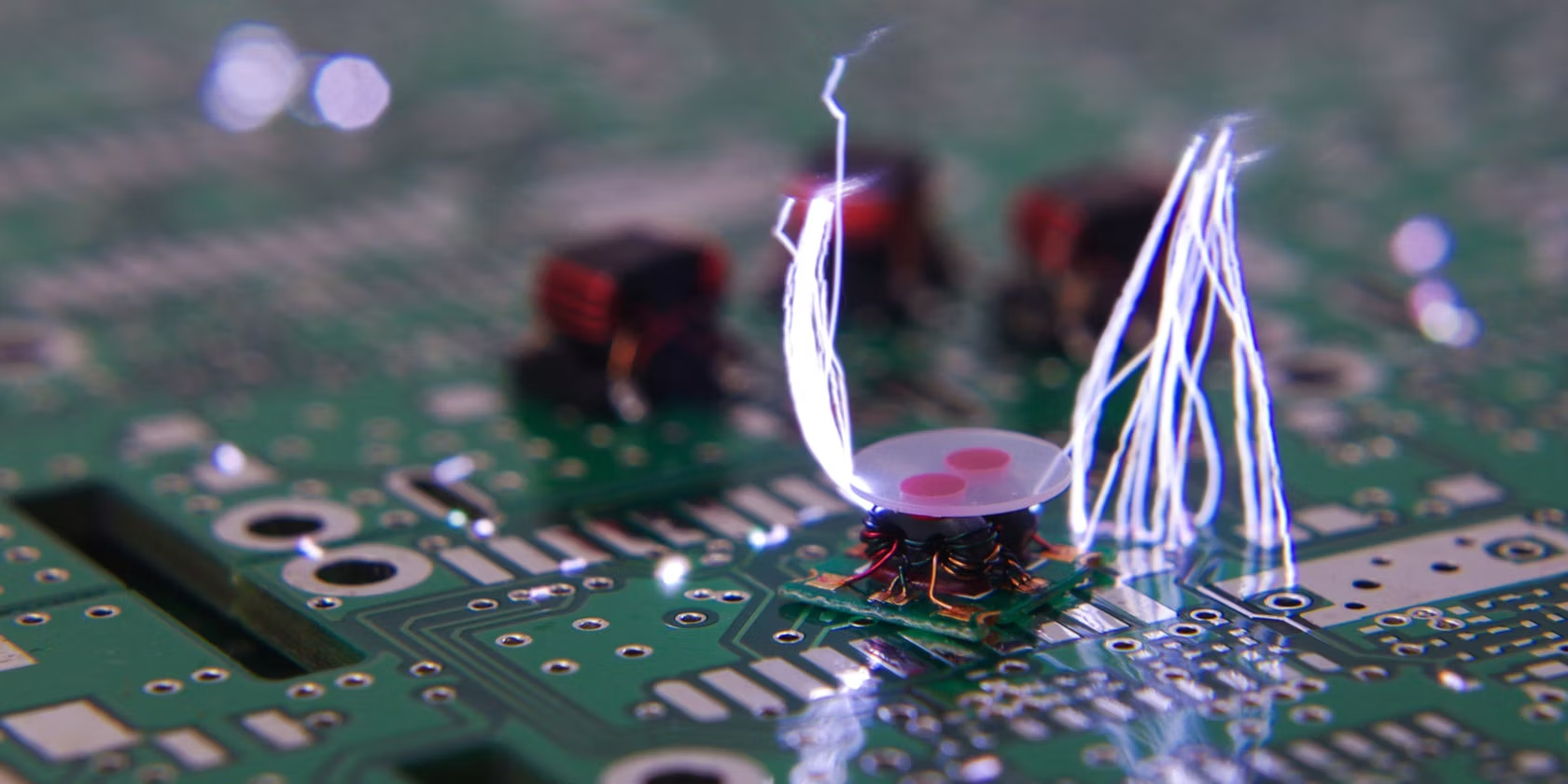
The accumulation of static electricity can pose serious risks across numerous industries. In the electronics and semiconductor fields, electrostatic discharge (ESD) can damage sensitive components and disrupt manufacturing processes. In the pharmaceutical and medical industries, static electricity can affect the sterility of cleanroom environments and the integrity of medical equipment. Furthermore, the presence of static electricity in flammable or explosive atmospheres can heighten the risk of ignition, leading to fire or explosion hazards.
II. Principles of Anti-Static Plastics
A. Definition of Anti-Static Plastics
Anti-static plastic, also known as static dissipative plastic or conductive plastic, is a type of material designed with the ability to effectively dissipate and minimize the accumulation of static electricity. This unique characteristic differentiates it from conventional plastics, making it an essential component in various industries where static electricity control and management are critical.
B. Composition and Structure of Anti-Static Plastics
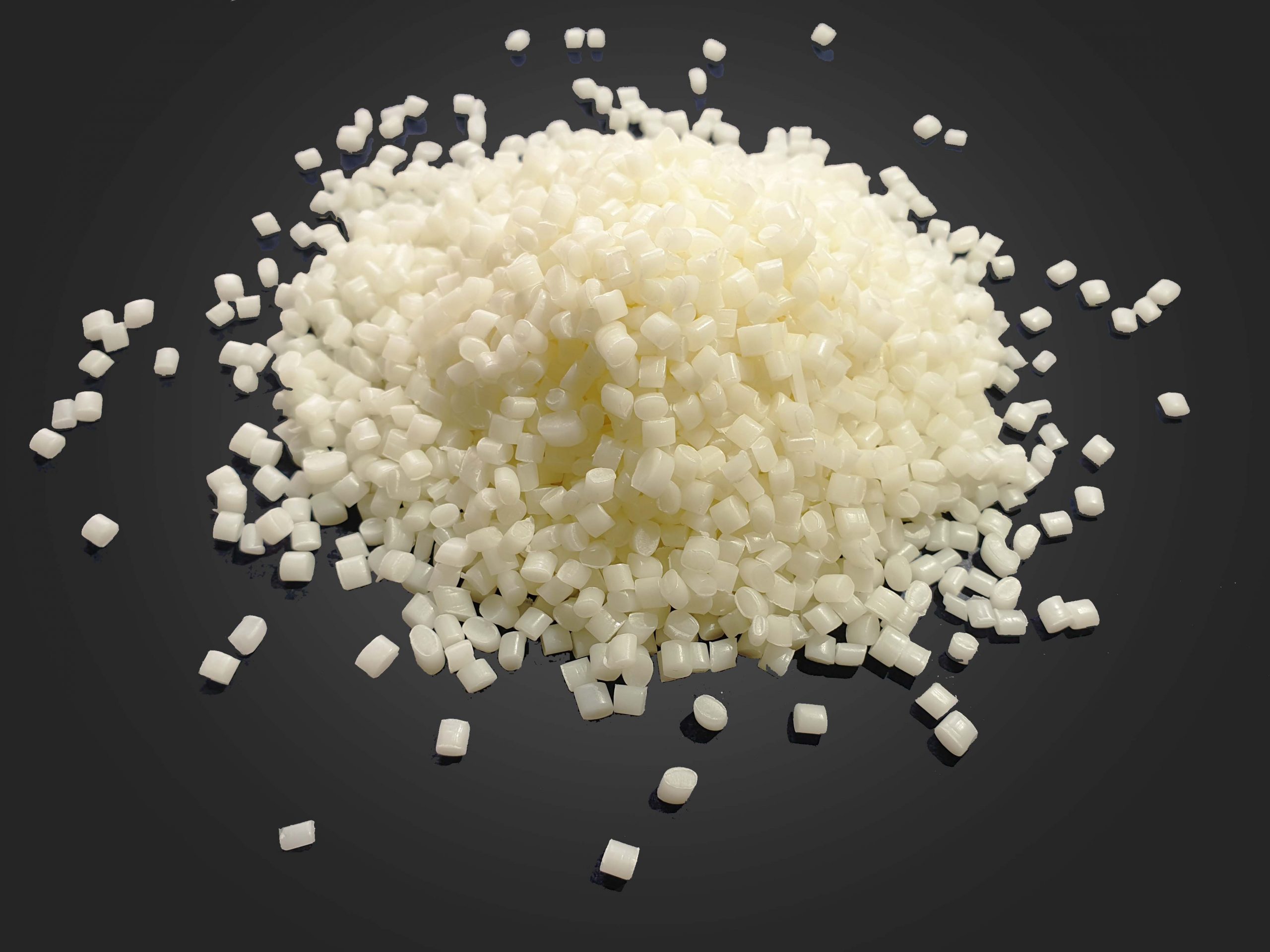
Anti-static plastics consist of a base polymer, such as polyethylene, polypropylene, or polyvinyl chloride, combined with specialized additives that impart static dissipative properties to the material. These additives can include conductive fillers, surfactants, or intrinsically conductive polymers, working in conjunction to enhance the overall electrical conductivity of the plastic.
C. Anti-Static Mechanism
- Surface Conductivity: Anti-static plastics are engineered to possess a relatively low surface resistivity, allowing for the effective dissipation of static charges across the material's surface.
- Charge Dissipation: The unique composition of anti-static plastics enables the material to quickly dissipate accumulated electric charges, preventing the buildup of harmful potential levels.
- Ionization: Certain anti-static plastics incorporate ionizing agents that generate a balanced distribution of positive and negative ions, effectively neutralizing static charges on the material's surface.
III. Manufacturing Process of Anti-Static Plastics
A. Raw Material Mixing
1. Incorporation of anti-static additives: Carefully selected anti-static additives are incorporated into the base polymer during the compounding process, ensuring uniform distribution throughout the material.
2. Considerations for maintaining anti-static properties: Manufacturers must consider factors such as additive concentration and processing temperature to maintain the anti-static properties of the plastic in subsequent production steps.
B. Injection Molding and Extrusion Processes
Anti-static plastics can be readily processed using standard injection molding and extrusion techniques, enabling the efficient production of a wide range of components and products. Tight control over processes and parameters, such as melt temperature, mold design, and cooling rates, is crucial for maintaining the integrity of the anti-static properties.
C. Testing and Quality Control Processes
Rigorous quality control measures and testing procedures are implemented throughout the manufacturing process to ensure that anti-static plastics meet the stringent requirements of various industries. This includes evaluating parameters such as surface resistivity, charge dissipation rate, and compatibility with other materials and processes.
IV. Applications of Anti-Static Plastics
A. Electronics and Semiconductor Industry
- Packaging and handling of sensitive components: Anti-static plastics are widely used in the packaging and handling of delicate electronic components, such as integrated circuits and microchips, to prevent damage from static electricity during transportation and storage.
- Cleanroom environments: Anti-static plastics play a crucial role in maintaining controlled and static-free environments in semiconductor fabrication facilities, ensuring the integrity of the manufacturing process and the final product.
B. Automotive and Transportation
- Automotive interior components: Anti-static plastics are used in the manufacturing of various automotive interior components, including door panels, dashboards, and upholstery, to minimize static charge buildup and provide a comfortable driving experience.
- Aerospace and aviation applications: Anti-static plastics are also employed in the aerospace industry, where they are utilized in aircraft interiors, composite structures, and specialized equipment to protect against static-related issues.
C. Pharmaceutical and Medical Fields
- Packaging for sterile medical devices: Anti-static plastics are extensively used in the packaging of sterile medical devices, such as syringes, catheters, and surgical instruments, to maintain a clean, static-free environment and prevent potential contamination.
- Cleanroom environments: The pharmaceutical industry relies on anti-static plastics to create and maintain tightly controlled cleanroom environments essential for the production of sterile medications and medical products.

D. Other Industries
- Textiles: Anti-static plastics are integrated into textile fibers and garments to minimize static charge buildup, providing a more comfortable and safer experience for users.
- Warehouse and storage facilities: Anti-static plastics are used in the construction of containers, shelving, and other materials employed in warehousing and logistics operations to prevent static-related issues and ensure the safe handling of sensitive goods.
V. Performance Characteristics of Anti-Static Plastics
A. Electrical Conductivity and Surface Resistivity
A key performance characteristic of anti-static plastics is their ability to dissipate and manage static electricity. This is measured through parameters such as electrical conductivity and surface resistivity, which quantify the material's efficiency in transferring and distributing electric charges.
B. Durability and Longevity of Anti-Static Properties
Anti-static plastics are designed to maintain their static dissipative properties over extended periods, even under various environmental conditions and mechanical stresses. Manufacturers employ specialized additives and processing techniques to ensure the long-term stability and reliability of the material's anti-static performance.
C. Compatibility with Other Materials and Processes
Anti-static plastics must be compatible with a wide range of materials and manufacturing processes to be effectively utilized in diverse industrial applications. This includes considerations such as chemical resistance, thermal stability, and adhesion properties to ensure seamless integration with other components and fabrication methods.
VI. Standards and Certifications
The use of anti-static plastics is governed by various international standards and guidelines, such as those established by organizations like the International Electrotechnical Commission (IEC) and the American Society for Testing and Materials (ASTM). These standards provide essential frameworks for the design, testing, and certification of anti-static plastic materials.
To ensure the reliability and safety of anti-static plastics, manufacturers must undergo rigorous testing and certification processes to demonstrate compliance with industry-specific standards and regulations. This process helps to build trust and confidence between manufacturers and end-users, who can rely on the quality and performance of the material.
VII. Conclusion
The increasing reliance on sensitive electronic devices, the growing emphasis on product quality and safety, and the heightened awareness of environmental sustainability all contribute to the rising demand for anti-static plastics. As industries continue to evolve, the need for innovative and reliable anti-static solutions will become even more apparent, solidifying the crucial role of this specialized material in shaping the future of industrial advancement.
The future of anti-static plastics is poised for exciting developments, with advancements in additive technology, the adoption of sustainable manufacturing practices, and the integration of smart capabilities as industries strive to enhance workplace safety.