To minimize the impact of static electricity on plastic products, the most common method used is to incorporate antistatic additives into plastics.
Static electricity is a phenomenon that commonly occurs when certain materials rub against each other, causing electron transfer. This transfer leads to the accumulation of electric charge on the material's surface, which can result in attractive or repulsive forces with other objects.
Static electricity in plastics can be troublesome in industrial processes because it can cause dust and debris to cling to surfaces, leading to production issues. It can also pose safety hazards in certain environments as it can generate sparks that might ignite flammable materials.
I. What are antistatic additives?
Antistatic additives are a type of chemical compound used to reduce or eliminate static electricity in materials. These additives are commonly used in plastics, textiles, and other materials prone to accumulating electric charges. Antistatic additives work by increasing the electrical conductivity of the material, allowing any electrostatic charge to dissipate more easily. This helps prevent problems such as dust attraction, handling difficulties, and potential damage to electronic components.
II. Classification of antistatic additives for plastics
1. Internal Antistatic Agents
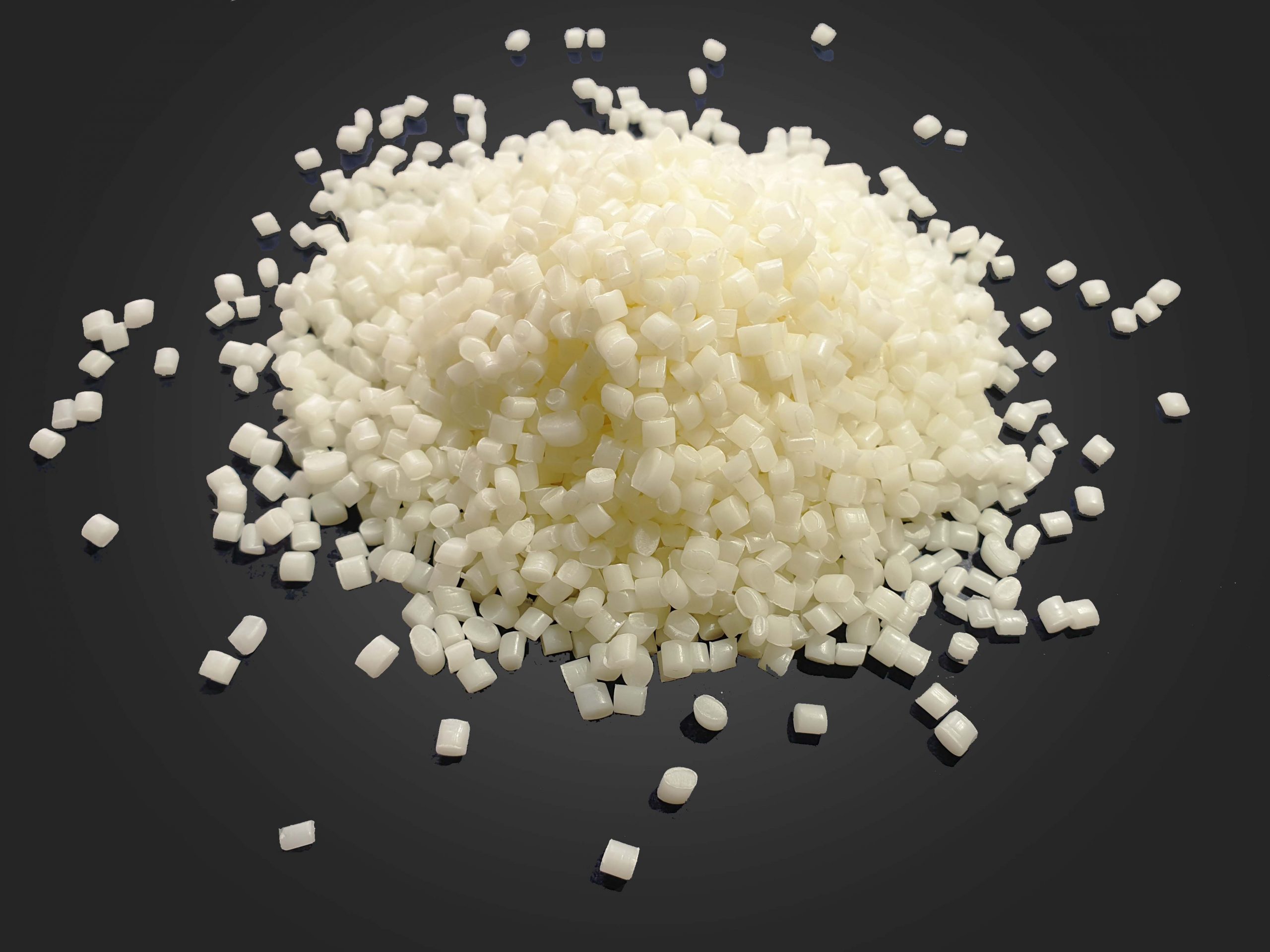
Internal antistatic agents are additives directly incorporated into the plastic during the manufacturing process. They work by migrating to the plastic's surface, where they form a conductive layer that helps dissipate any static charge that may accumulate. Internal antistatic agents are effective for a wide range of plastics and are commonly used in applications requiring long-lasting antistatic properties.
2. External Antistatic Agents
External antistatic agents are additives applied to the surface of the plastic after it has been manufactured. They work by forming a thin conductive layer on the plastic's surface, which helps dissipate any static charge that may accumulate. External antistatic agents are often used in applications where a temporary antistatic effect is needed, such as in packaging materials.
III. Benefits of using antistatic additives in plastic manufacturing
1. Improved Safety
One of the primary benefits of using antistatic additives in plastic products is improved safety. Static electricity can pose serious risks in certain environments, such as those with explosive or flammable materials. By reducing or eliminating static electricity, antistatic additives can help prevent accidents and protect workers from harm.
2. Enhanced Durability and Appearance
Another significant benefit of antistatic additives is improved durability. Static electricity can cause damage to plastic materials over time, leading to cracking, breakage, and other forms of wear. By reducing static charge buildup, antistatic additives can help extend the lifespan of plastic products, making them more cost-effective in the long run.
Static electricity can also cause dust and other particles to cling to plastic surfaces, leading to a dull or dirty appearance. Antistatic additives can help reduce static buildup, keeping plastic products looking clean and shiny. This can be especially important for products used in consumer-facing environments, such as retail displays or packaging.
3. Easy Handling
Static electricity can also make plastic products difficult to handle, especially in industrial or manufacturing settings. Antistatic additives can help reduce static charge on plastic materials, making them easier to handle and transport. This can improve productivity and reduce the risk of product damage during handling.
IV. Applications of antistatic additives for plastics in various industries
1. Electronics
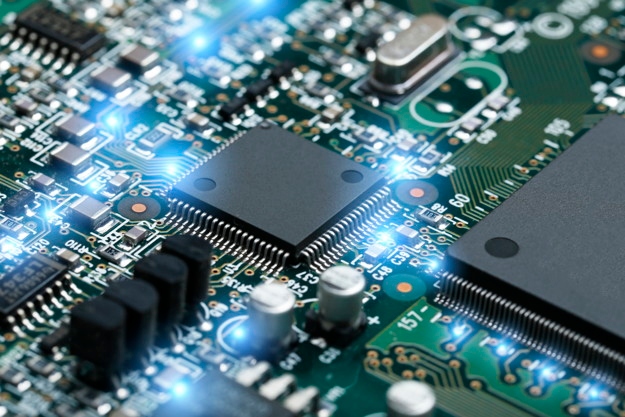
Electronic components are often made of plastic, and static electricity can cause damage to these sensitive parts. By incorporating antistatic additives into plastics, manufacturers can ensure that their electronic products are protected from static buildup, improving their overall performance and longevity.
2. Packaging
Plastic packaging materials, such as bags, films, and containers, can generate static electricity, leading to problems like dust attraction, product sticking, and even fire hazards in certain environments. By adding antistatic additives to plastic packaging materials, manufacturers can prevent these issues and ensure their products remain safe and functional.
3. Automotive Industry
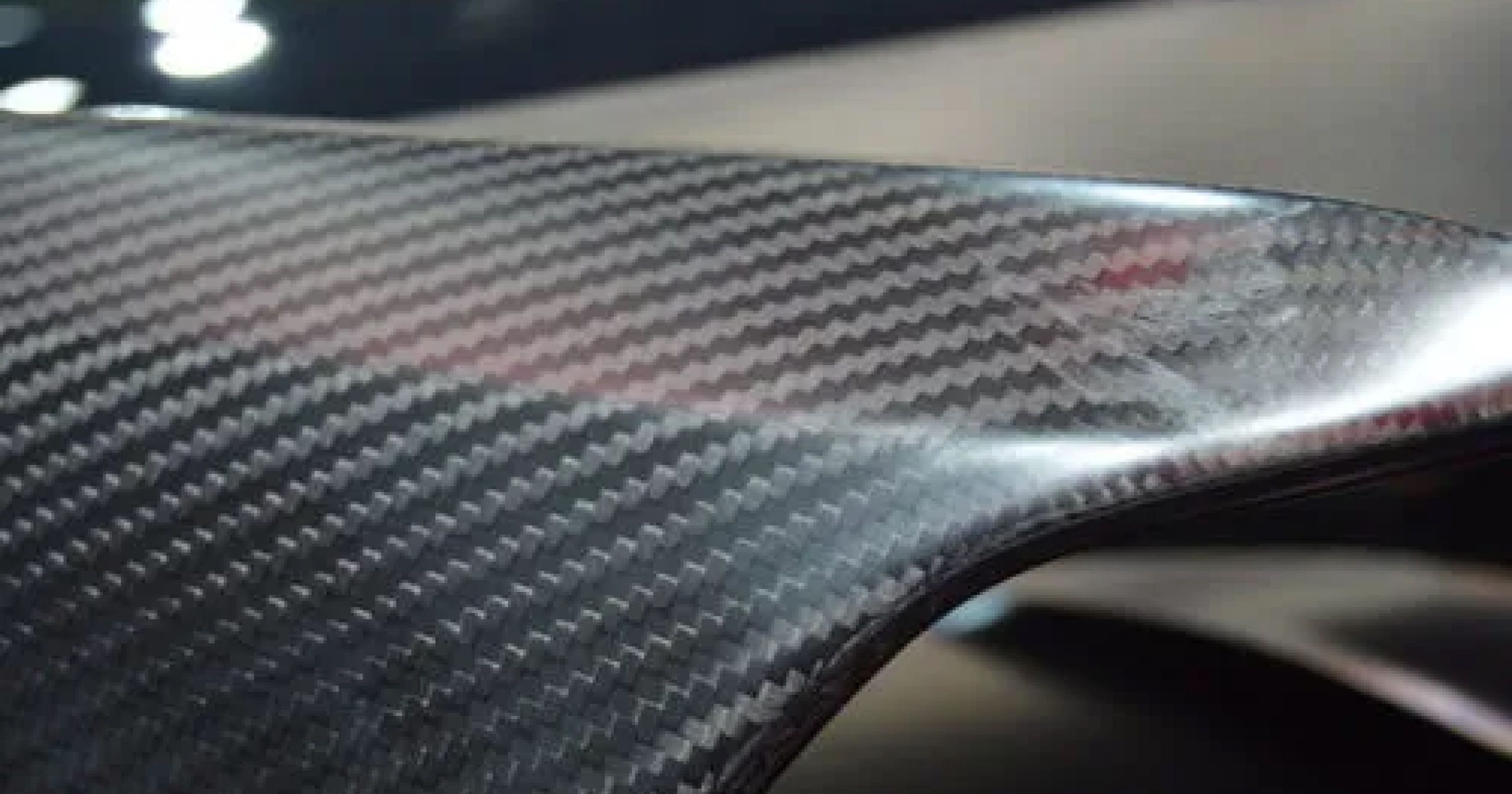
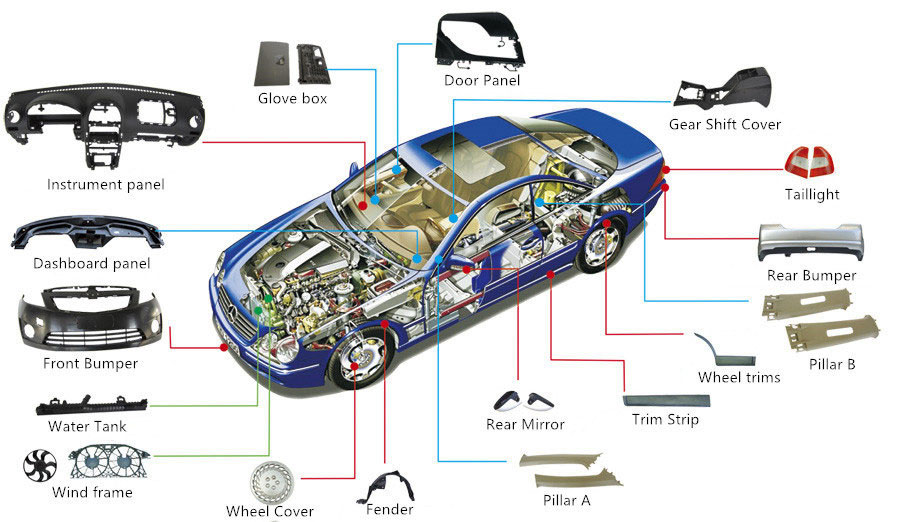
Many automotive parts, such as dashboards, seats, and interior trims, are made of plastic. Static electricity in these components can cause discomfort to passengers and pose potential safety hazards. By incorporating antistatic additives, manufacturers can create a more comfortable and safer driving experience for consumers.
4. Other Industries
Other industries that benefit from the use of antistatic additives in plastics include the medical and healthcare sector, where static electricity can interfere with sensitive medical equipment, and the manufacturing industry, where static buildup can cause production delays and defects in plastic parts.
CPI Vietnam Plastic Co., Ltd is the largest direct manufacturer of Masterbatch plastic additives in Vietnam. Therefore, CPI Plastic is the top choice for factories that require stable output and quality to meet the production and export demands of their customers.
(Refer to products here: Antistatic Additive Masterbatch)