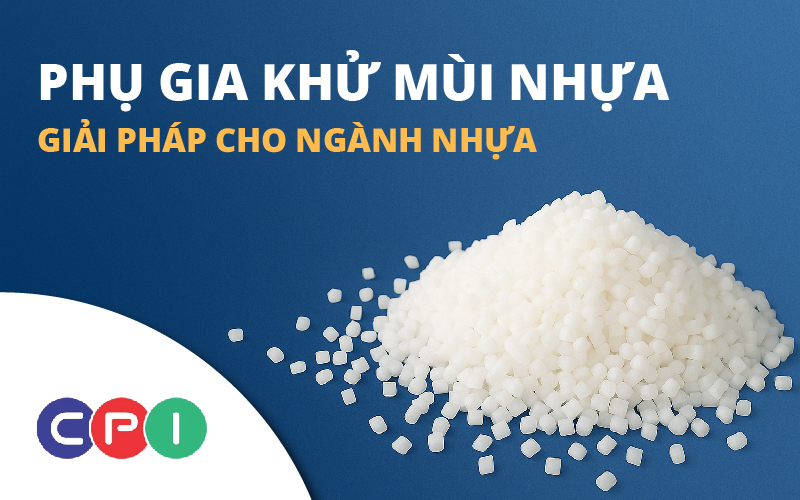
In today's society, plastic bags have become an indispensable part of our daily lives. They are used for various purposes, including shopping, packaging, and storage. Two common types of plastic bags often used are HDPE bags and LDPE bags. While these two types of plastic bags may seem similar, they actually have distinct differences that set them apart. The ability to distinguish between HDPE and LDPE plastic bags is essential for choosing the right type of bag for its intended use. In this article, we will explore the characteristics of HDPE and LDPE plastic bags and their differences.
I. HDPE Plastic Bags
A. Characteristics of HDPE Material
HDPE (High-Density Polyethylene) is a thermoplastic known for its high strength-to-density ratio, as well as its resistance to chemicals, moisture, and impact. These properties make it an ideal material for packaging applications where durability and reliability are crucial, such as packaging for groceries, industrial products, and healthcare supplies.
(See more: HDPE Plastic – Properties and Applications in Daily Life and Manufacturing)
B. Advantages of HDPE Plastic Bags
Durability: HDPE plastic bags are extremely durable and can withstand strong impacts without tearing or puncturing. This makes them an excellent choice for packaging items that need to be transported over long distances or stored for extended periods.
Easy to Recycle: HDPE plastic bags are 100% recyclable, making them a sustainable choice for environmentally conscious consumers. By choosing HDPE plastic bags, businesses can reduce their carbon footprint and contribute to environmental protection.
Cost-Effective: HDPE plastic bags are a cost-effective packaging solution that offers excellent value for money. They are affordable to produce and can be customized to meet specific business requirements, making them a versatile option for a wide range of applications.
Versatility: HDPE plastic bags come in various shapes, sizes, and styles, making them suitable for diverse packaging needs. From grocery bags to industrial packaging, HDPE plastic bags can be customized to meet the unique requirements of different industries.
II. LDPE Plastic Bags
A. Characteristics of LDPE Material
LDPE (Low-Density Polyethylene) is a type of plastic known for its flexibility, transparency, and moisture resistance. It is commonly used in applications requiring stretchability and softness, such as packaging for food, clothing, and consumer goods.
(See more: LDPE Plastic: What You Need to Know)
B. Advantages of LDPE Plastic Bags
LDPE plastic bags have several strengths and advantages that make them a preferred choice as a packaging material:
- Flexibility: LDPE plastic bags can be easily stretched and bent without tearing, making them suitable for packaging items with irregular or bulky shapes.
- Moisture Resistance: LDPE material is impervious to moisture, making LDPE plastic bags ideal for packaging products that need protection from humidity.
- Chemical Resistance: LDPE plastic bags have good chemical resistance, making them suitable for holding and transporting a wide range of products, including detergents, liquids, and pharmaceuticals.
- Customizability: LDPE plastic bags can be customized in terms of size, shape, color, and printing, offering opportunities for branding and marketing.
- Cost-Effectiveness: LDPE plastic bags are a cost-effective packaging solution, providing a balance between quality and price for businesses of all sizes.
III. Comparing HDPE and LDPE Plastic Bags
| HDPE Plastic Bags | LDPE Plastic Bags | |
| Properties | – High durability, – High clarity. – Produces a loud rustling sound and easily creases when crumpled or rubbed. | – Soft and flexible, high stretchability. – Opaque – Low heat resistance – Produces a slight crinkling sound and fewer creases when crumpled. |
| Applications | Often used for packaging goods, higher-value item bags. | Used for food packaging, consumer goods. |
| Recyclability | Recyclable | Recyclable |
| Cost | Higher than LDPE | Lower |
HDPE is a linear polymer with high crystallinity, meaning its molecular chains are tightly and orderly linked. On the other hand, LDPE is a branched polymer with lower crystallinity, leading to a looser molecular structure.
HDPE plastic bags are known for being stronger and stiffer, making them ideal for carrying heavier items. In contrast, LDPE plastic bags are much more flexible and pliable, making them more suitable for lighter items.
HDPE plastic bags have better tear and puncture resistance, making them a popular choice for heavy-duty applications such as grocery bags or garbage bags. While LDPE plastic bags are not as strong as HDPE bags, they are still quite durable and can withstand moderate wear and tear.
Transparency is another characteristic where HDPE and LDPE plastic bags differ. HDPE plastic bags are known for their transparency, making them ideal for product display. LDPE plastic bags, on the other hand, have higher opacity and are often used for items where aesthetics are not a primary concern.
IV. Conclusion
In summary, distinguishing between HDPE and LDPE plastic bags is crucial for making informed decisions about their use in various applications. By recognizing the unique properties and advantages of each material, industries can select the most suitable option for their specific needs. Additionally, exploring sustainable alternatives to plastic bags can contribute to environmental preservation and waste reduction efforts.