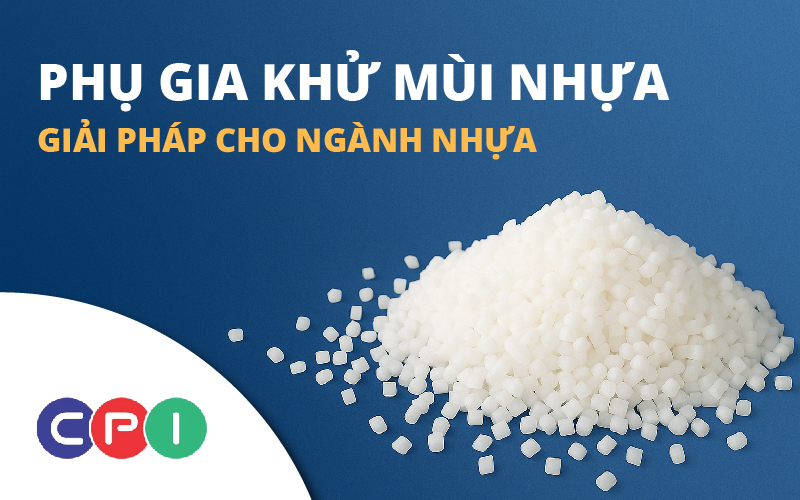
Plastic has become an indispensable part of our daily lives, with numerous applications across various industries. One of the most popular methods for manufacturing plastic products is injection molding. Injection molding is a manufacturing process where molten plastic is injected into a mold cavity, where it cools and solidifies to form the desired shape.
There are many different types of plastics that can be used in injection molding, each with its own unique properties and characteristics. In this article, we will explore some of the most commonly used plastics in injection molding and their key features.
I. Polyethylene (PE)
Polyethylene is one of the most widely used plastics in injection molding. It is a versatile material known for its excellent chemical resistance, toughness, and flexibility. Polyethylene can be easily molded into complex shapes and is commonly used in packaging, automotive parts, and consumer goods.
II. Polypropylene (PP)
Polypropylene is another popular choice for injection molding. It is a lightweight and durable plastic with good chemical resistance and heat resistance. Polypropylene is often used in food containers, automotive parts, and household appliances.
III. Polystyrene (PS)
Polystyrene is a rigid and transparent plastic. It has good impact resistance and is easy to mold. Polystyrene is commonly used in packaging, medical devices, and consumer electronics.
IV. Acrylonitrile Butadiene Styrene (ABS)
ABS is a durable and impact-resistant plastic. It has good heat resistance and can be easily painted or plated. ABS is widely used in automotive parts, electronics, and consumer goods.
V. Polyvinyl Chloride (PVC)
PVC is a versatile plastic. It is a durable and cost-effective material with good chemical and weather resistance. PVC is often used in building materials, medical devices, and consumer products.
VI. Polycarbonate (PC)
Polycarbonate is a transparent and impact-resistant plastic. It has excellent optical clarity and can withstand high temperatures. Polycarbonate is commonly used in automotive parts, electronic components, and medical devices.
VII. Polyethylene Terephthalate (PET)
PET is a durable and lightweight plastic. It has good chemical resistance and is easily recyclable. PET is often used in packaging, beverage bottles, and textile fibers.
VIII. Conclusion
In summary, there are many different types of plastics that can be used in injection molding, each with its own unique properties and characteristics. The choice of plastic will depend on the specific requirements of the product being manufactured. By understanding the key features of each plastic material, manufacturers can make informed decisions when selecting the right material for their injection molding application.
(See more : Basic knowledge about injection molding technology in the plastic industry)