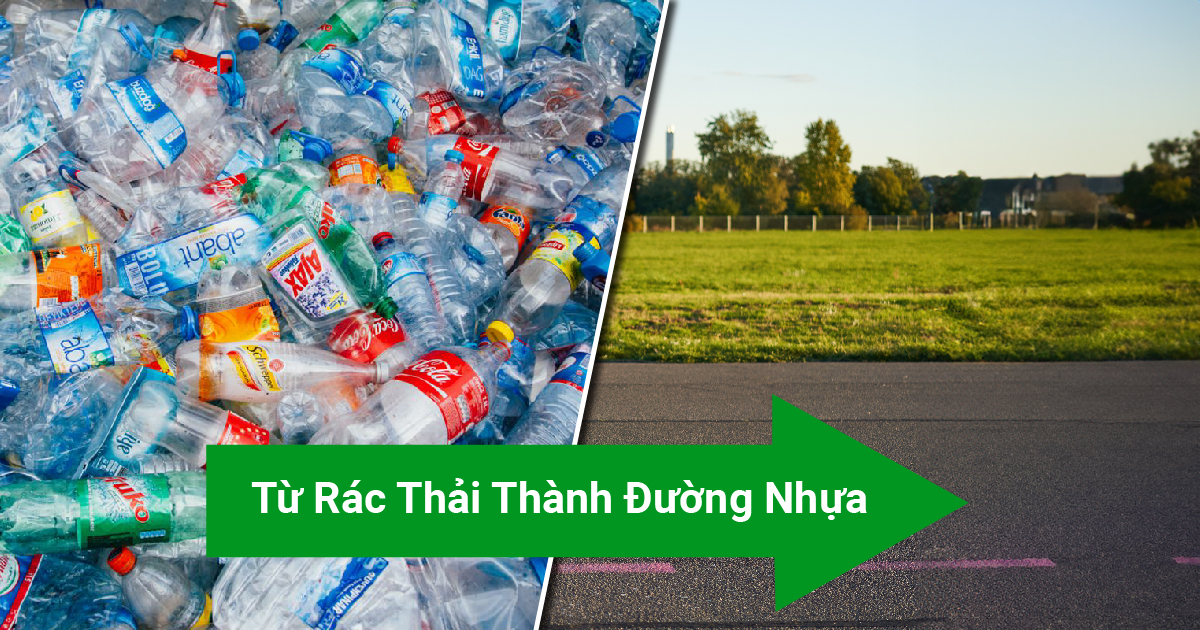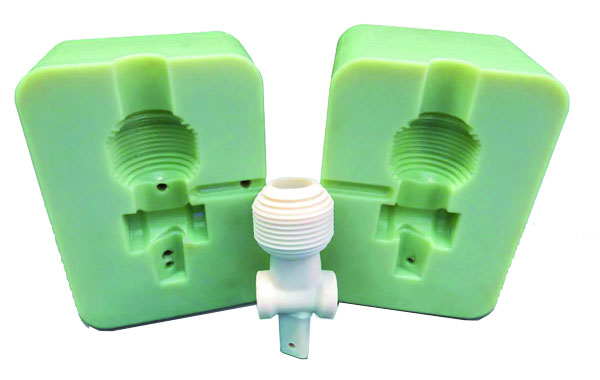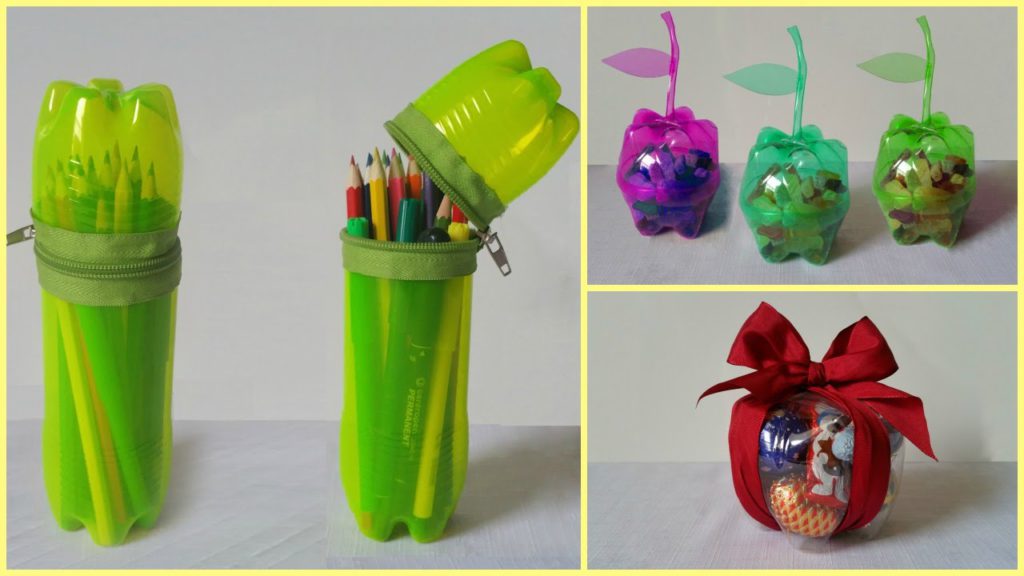
In the context of the ASEAN Economic Community (AEC) forming by the end of this year, as well as many important Free Trade Agreements (FTAs) that Vietnam has signed, is signing, and is about to sign, the requirement to innovate technology and enhance product quality to increase competitiveness is a crucial issue for Vietnam's plastics industry.
Illustrative image (Source: Internet)
This information was discussed at the workshop "Development Direction for Vietnam's Plastics Industry – Seizing Opportunities from the Formation of the ASEAN Economic Community," organized by the Vietnam Chamber of Commerce and Industry (VCCI) on the afternoon of September 16 in Ho Chi Minh City (HCMC).
According to Dr. Dinh The Hien, Director of the Institute of Applied Economic Research HCMC, the biggest weakness of Vietnam's plastics industry is its outdated production technology. Because Vietnamese products are positioned in the low-end segment, businesses pay less attention to investing in modern machinery technology. This reduces the competitiveness of Vietnamese plastic products in the market. However, in the context of integration, a more concerning issue is that the management and leadership capabilities of plastics enterprises lack the determination to innovate, create, and apply new product technologies.
Mr. Nguyen Thanh Binh, Director of the VCCI Trade Information Center, stated that currently over 80% of businesses in the plastics industry are small and medium-sized. No group of enterprises holds a dominant position to lead the plastics industry, resulting in high internal competition. Additionally, the concentration of small and medium-sized enterprises in the same field also means that their capital and technology are quite limited, putting them under strong competitive pressure from foreign direct investment (FDI) enterprises, which have strengths in technology and market experience. Meanwhile, the plastics industry in some ASEAN countries like Thailand has embraced global consumption trends by moving towards producing bio-based, environmentally friendly plastic products.
According to VCCI, Vietnam's plastics industry still has certain limitations; domestic raw material production only meets 20% to 30% of demand, primarily for PVC, PET, and PP products. The remaining 70% of raw and auxiliary materials for the industry depend on imports. Consequently, production costs are always volatile, influenced by global raw material prices and exchange rate fluctuations. Furthermore, the variety and types of plastic products are still limited, lacking many high-value-added products and failing to meet the increasingly high demands of the market. The domestic plastics industry also lacks research and development facilities for technology and engineering, has an unskilled workforce, and no worker training system, thus unable to produce high-end components to participate in the global supply chain in a fixed position...
Some businesses in the plastics industry believe that Vietnam's plastics industry currently lacks a team of experts with deep industry knowledge who can analyze and provide information about the global plastics market. Businesses also find it difficult to access industry-related data and information to formulate long-term development strategies. According to recommendations from plastics enterprises, the Ministry of Industry and Trade, as well as the Vietnam Plastics Association, need to collaborate closely in providing analytical data and forecasts on domestic and global plastics production and export, enabling industry enterprises to develop long-term strategies that align with actual market conditions and demands./.