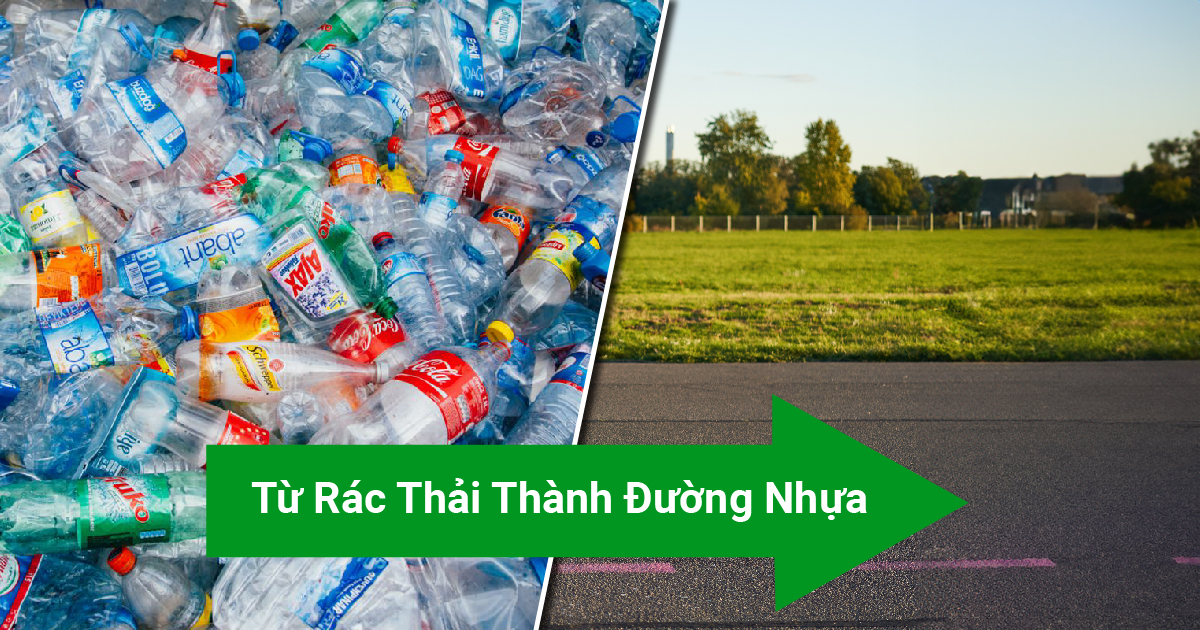
Plastic is a widely used material in daily life and production. However, plastics have many limitations such as environmental pollution, health hazards, and resource depletion. But the outstanding achievements that plastics bring to life cannot be denied. Therefore, many researchers have developed materials from plastic to replace traditional materials in various applications. In this article, CPI Plastic will introduce some of these new materials and their applications in packaging, consumer products, and other industries.
I. Overview of plastic materials and limitations
Plastic materials have become ubiquitous in our modern world. Plastics are versatile and widely used materials with diverse applications across various industries. The popularity of plastics stems from their durability, flexibility, and affordability, making them an ideal material for a wide range of products.
Plastics are used in packaging, construction, transportation, electronics, and even in our everyday consumer products. Their lightweight and corrosion-resistant properties make them convenient for manufacturers and consumers alike.
However, it is important to acknowledge the limitations of plastic materials. One major concern is their impact on the environment. Plastics are often derived from non-renewable resources, such as fossil fuels, and they are not biodegradable. This means they persist in the environment for hundreds of years, leading to pollution and harm to ecosystems.
Furthermore, plastic waste management has become a significant global issue. Improper disposal and inadequate recycling infrastructure result in plastic waste contaminating oceans, rivers, and landfills. This has fueled a growing global movement to reduce single-use plastics and promote recycling.
Given these limitations, it is crucial for individuals and businesses to adopt sustainable practices and explore alternative solutions to mitigate the negative impact of plastic materials. This may involve reducing plastic consumption, promoting recycling, exploring biodegradable or compostable materials, and supporting innovation in eco-friendly packaging alternatives.

II. Innovations and advancements in new material development
A great deal of research is being conducted in the field of plastic-based materials that could revolutionize our world, making it greener, cleaner, and more efficient than ever before.
Some of the goals that research is aiming for are to create lightweight materials that can rival the strength of traditional metals; textiles made from recycled plastics; and advanced medical devices crafted from biocompatible plastics, driving innovation in healthcare and improving patient outcomes.
Scientists are studying the properties of Graphene to create a new type of plastic. Graphene is a single layer of carbon atoms arranged in a two-dimensional honeycomb lattice. It possesses superior strength, electrical conductivity, and flexibility.
By incorporating graphene into plastics, it brings a leap in mechanical properties. Super-strong and super-light plastics offer potential applications for industries ranging from aerospace to automotive, specifically cars that are not only fuel-efficient but also withstand the test of time.
Furthermore, a type of plastic capable of self-healing when damaged is also being researched and developed. Thanks to specialized bonds and compounds, these materials can repair minor cracks and scratches, extending their lifespan and reducing waste.

III. Types of new materials developed from plastic
A. Biodegradable plastics
Biodegradable plastics are a type of plastic that can naturally decompose and break down over time. They are typically made from renewable resources such as corn starch, vegetable oil, or plant-based materials, as opposed to traditional plastics derived from fossil fuels.
One of the main benefits of biodegradable plastics is their reduced impact on marine life and terrestrial ecosystems. When traditional plastics end up in oceans or landfills, they can release toxic chemicals and microplastics that can harm aquatic animals and degrade soil quality. In contrast, biodegradable plastics break down into non-toxic components, minimizing risks to wildlife and nature.
Furthermore, biodegradable plastics can significantly reduce the carbon footprint associated with plastic production. The production of traditional plastics relies heavily on fossil fuels, which contribute to greenhouse gas emissions and climate change. Biodegradable plastics, on the other hand, can be made from renewable resources like corn starch or vegetable oil, which have a lower carbon footprint.
Despite their benefits, it's important to note that biodegradable plastics require specific conditions to decompose properly. For instance, they often need exposure to sunlight, oxygen, and microorganisms found in composting facilities or industrial composters. Without these conditions, biodegradable plastics may not fully break down and can still contribute to litter or pollution. Therefore, proper waste management infrastructure and consumer education are essential to maximize the effectiveness of biodegradable plastics.

B. Recycled plastics
Recycled plastic is the product of the process of transforming plastic waste into reusable material through various methods, such as sorting, cleaning, and melting plastics to create new products. This is an important aspect of the circular economy as it minimizes environmental impact by reducing plastic waste and decreasing the need for new plastic production. Recycled plastics can be used to manufacture a wide range of products, including packaging materials, clothing, furniture, toys, and even building materials. By using recycled plastics, we not only conserve natural resources but also reduce energy consumption and greenhouse gas emissions associated with the production of new plastics.

C. Composite materials
Composite materials made from plastic are a popular choice in various industries due to their versatility and durability. These materials are created by combining plastic with other reinforcing materials, such as fibers or particles, to enhance their overall performance.
One common type of composite material made from plastic is fiber-reinforced polymer (FRP) composites, such as carbon fiber or fiberglass. The fibers provide high strength and stiffness, while the plastic matrix protects the fibers and offers impact resistance. FRP composites are widely used in the aerospace, automotive, and construction industries.
Another type of plastic composite material is particle-reinforced composite. In this case, particles such as glass, ceramic, or metal are added to the plastic matrix to improve specific properties. These composites find applications in areas like electronic enclosures, automotive parts, and sports equipment.

IV. Applications of plastic-based materials in industries
A. Automotive industry
Traditionally, steel has been the prevalent material used in automobile manufacturing. But with advancements in technology and growing environmental concerns, manufacturers are shifting towards lighter, more sustainable options. Plastic-based materials have emerged as a game-changer, offering a perfect blend of strength, flexibility, and environmental factors.
A prime example of this innovation is the use of carbon fiber reinforced polymer (CFRP) in vehicle structures. These materials boast an exceptionally high strength-to-weight ratio, making cars lighter and more fuel-efficient. In fact, a lighter vehicle can reduce fuel consumption by up to 15%.
Not only do plastic-based materials help save fuel, but they also offer a host of other benefits. They provide higher impact resistance compared to traditional materials. Thanks to their ductility, plastic-based materials are easy to process and style, allowing designers to create sleek shapes and designs.
Plastic-based materials also help manufacturers integrate a lot of smart technology into vehicles. From wireless charging pads to touch panels, these materials provide the perfect environment for today's advanced devices.

B. Packaging and consumer goods industry
Plastic-based materials have long been a breakthrough invention in the world of packaging and consumer goods. From preservation to product transportation, plastic has played a crucial role. But as technology advances and environmental concerns grow, the emergence of new plastic-based materials is transforming the industry.
First is the emergence of bioplastics. Derived from renewable resources such as corn, sugarcane, or vegetable oils, these materials offer an environmentally safe alternative to traditional plastics. Bioplastics also possess mechanical properties similar to petroleum-based plastics, ensuring comparable technical requirements.
Disposable plastics offer convenience to consumers but lead to enormous consequences for the environment. This is where biodegradable plastics enter the development stage. They provide an excellent solution for products like disposable cutlery, food containers, and packaging, significantly reducing the impact on the planet.
C. Construction
By utilizing advanced composite plastic materials, architects can now mold structural components with high precision and durability. These materials are lighter than traditional ones, reducing the load on foundations and allowing for more flexible designs. The structural integrity of these plastics also ensures that buildings are more resilient to natural disasters, making them a more sustainable choice for the future.
Plastic-based materials are also making waves in the interior design industry. With plastic composites, furniture designers can create pieces that are not only visually appealing but also lightweight, durable, and eco-friendly. And it doesn't stop there; these products can also be recycled, creating a closed-loop cycle and reducing the environmental impact of the furniture industry.
V. Conclusion
Plastic-based materials face mixed perceptions, with concerns about their potential impact on human health and ecosystems. However, with groundbreaking advancements in research and development, these materials promise a more environmentally friendly solution.