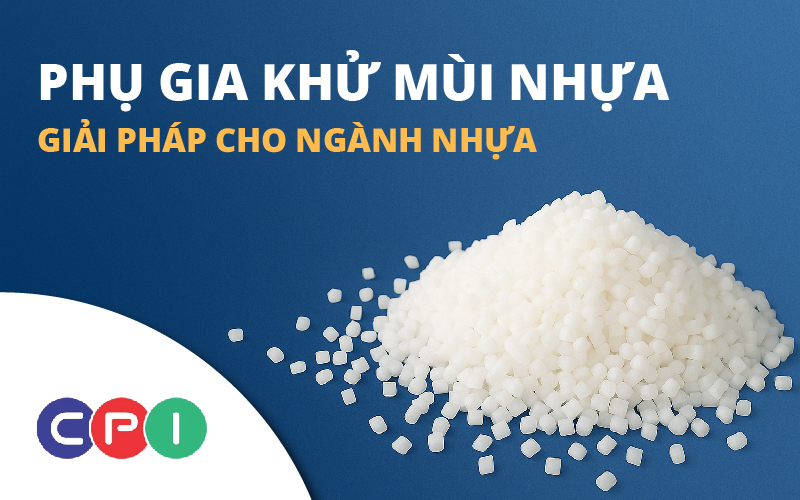
In the plastics manufacturing industry, everyone must have heard the terms Masterbatch or Masterbatch Plastic Pellets many times. However, many people are still unclear about what Masterbatch is and what its uses are. Let's find out with CPI Plastic in this article!
I. What is Masterbatch Plastic Pellets?
Masterbatch is a common term used in the plastics industry. It refers to a concentrated mixture of pigments or additives encapsulated in a polymer. Masterbatch plastic pellets are used in the plastics industry to add color, enhance properties, or reduce production costs of plastic products.
Masterbatch plastic pellets are versatile materials that can be used in various industries. They can be customized according to the intended use and technical requirements of the final product.
II. Masterbatch Composition
The composition of masterbatch typically includes three main components: pigment, additives, and carrier resin. Pigments are responsible for coloring plastic products. They can be organic or inorganic compounds, depending on the desired color and application. On the other hand, additives are substances that help improve the performance or properties of the plastic. These can include UV stabilizers, flame retardants, antioxidants, etc. Finally, the carrier resin acts as a binder, holding the pigments and additives together.
The base material of the masterbatch can be wax or a specific polymer that is identical or compatible with the virgin polymer used. For example, masterbatch produced from polymers such as EVA or LDPE can be used for polyolefins and nylon, and polystyrene can be used for ABS, SAN, and sometimes polycarbonate resins. When an incompatible base material is used with the polymer, the properties of the finished plastic product will be altered. The typical ratio of masterbatch to virgin resin used in production is 1–5%.
III. Types of Masterbatch Plastic Pellets
The utility of Masterbatch plastic pellets depends on their composition. There are 3 common types of Masterbatch:
Color masterbatch – used to color plastic products. The main components include carrier resin and colorant. Additionally, there are other additives based on specific requirements.
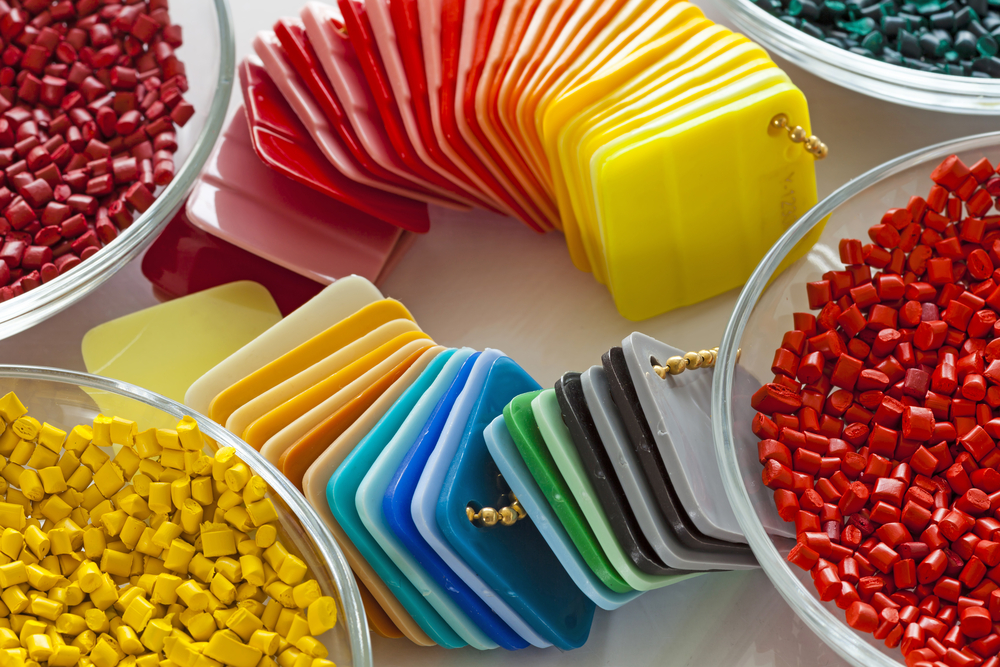
Filler masterbatch – Used to partially replace virgin resin to help reduce production costs and enhance certain properties of the finished product. The composition includes a carrier resin combined with minerals (CaCO3, NaSO4, BaSO4, Talc,…) and other additives. Some organic fillers like wood powder, nut powders, chicken feathers, rice husks… can be used as mineral substitutes, but are less preferred.
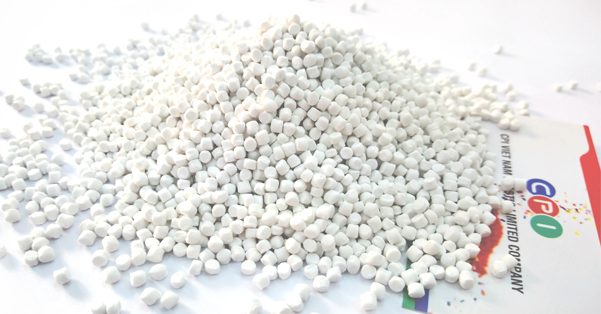
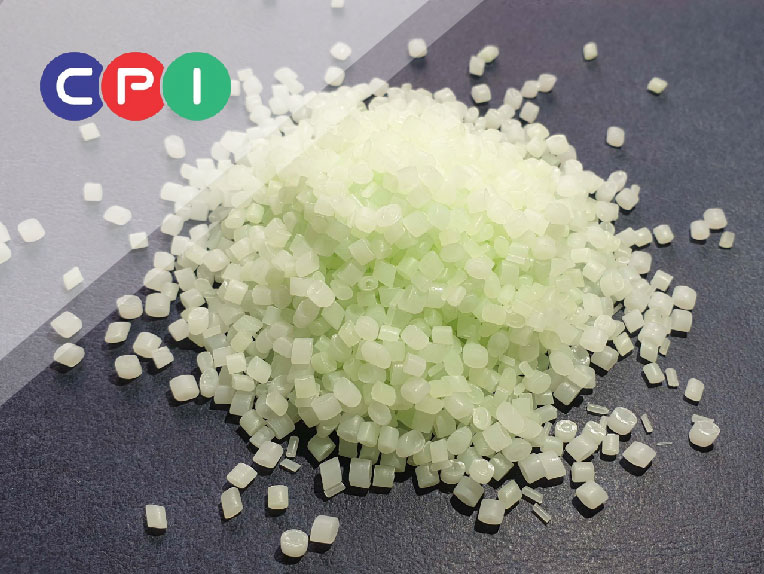
Additive masterbatch – Used to enhance specific properties or functions of plastic products. The main components include a carrier resin and various additives.
IV. Benefits of Using Masterbatch
Masterbatch offers numerous benefits across various industries:
Masterbatch provides enhanced color and appearance for the final product. By using masterbatch, manufacturers can achieve vibrant and consistent colors, ensuring the finished product is visually appealing. Whether it's plastic goods, textiles, or even packaging materials, masterbatch can improve the overall aesthetics of the item.
Secondly, masterbatch improves processing efficiency. It is designed for easy integration into the production process, allowing for smooth and efficient manufacturing. The concentrated nature of masterbatch ensures that only a small amount is needed, reducing production time and minimizing waste. This efficiency translates into cost savings for manufacturers.
Since masterbatches are pre-compounded preparations, their use can alleviate issues of insufficient dispersion of additives or colorants when mixed with raw materials. Dispersion can be further adjusted through the particle size of the masterbatch.
Speaking of cost, masterbatch is known for its cost-effectiveness. As mentioned earlier, only a small amount is required to achieve the desired color or effect. This means manufacturers can save on raw material costs as well as storage and transportation costs. Additionally, improved processing efficiency also contributes to overall cost reduction.
V. Masterbatch Production Process
The general process for producing masterbatch includes 4 steps:
- Prepare and weigh the necessary raw materials according to the formula.
- Thoroughly mix the raw materials using heat treatment and extrusion.
- Cool the mixture and draw it into strands.
- Cut into pellets and package the product.
CPI Vietnam Plastic Co., Ltd. is one of the largest Masterbatch manufacturers in Vietnam. CPI Plastic's products have been exported to over 80 countries worldwide, across all continents. With the motto "OUR PRODUCT - YOUR SUCCESS," CPI Plastic company always wishes to cooperate with all customers to bring Vietnamese products to the world.
Customers wishing to purchase, please contact Hotline: 0913.046.902 for consultation and the best quotation.