I. What are Engineering Plastics?
Engineering plastics are a group of plastic materials that possess superior mechanical properties or thermal resistance compared to widely used commodity plastics like PP, PE, and PS.
Engineering plastics are designed to meet specific performance requirements, such as high strength, heat resistance, chemical resistance, or electrical insulation properties.
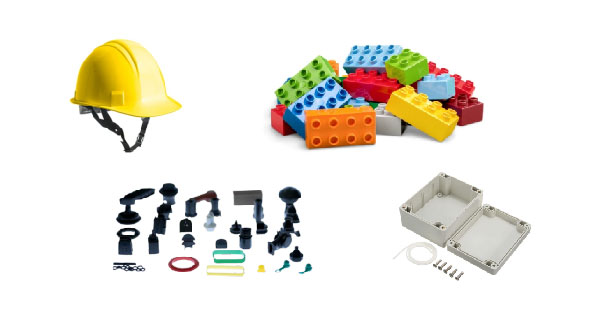
These types of plastics are commonly used in various industries, including automotive, aerospace, electronics, and medical devices. They are designed to withstand harsh environments and demanding applications, making them essential for producing durable and reliable products.
II. Common Types of Engineering Plastics
Below are just a few examples of the many types of engineering plastics available on the market. Each engineering plastic possesses unique properties and advantages, making them suitable for specific applications across different industries.
1. Polyamide (PA)
Polyamide (PA) is a synthetic polymer known for its high strength, toughness, and excellent resistance to abrasion and impact. Polyamide is also recognized for its ability to retain its shape and elasticity, making it an ideal choice for products requiring flexibility and resilience.
Polyamide is frequently used in the manufacturing of automotive parts, medical equipment, and sports gear due to its high performance and reliability. Additionally, it is used in the production of gears, bearings, and other mechanical components.
2. Polyethylene Terephthalate (PET)
Engineering PET plastic is a widely used thermoplastic polymer in various engineering applications. It is known for its excellent strength, rigidity, and chemical resistance, making it suitable for many industries including automotive, electrical, and packaging.
PET is commonly used in the production of bottles, containers, and food packaging due to its transparency and high barrier properties. In the automotive industry, it is used for various parts such as bumpers, body panels, and electrical connectors.

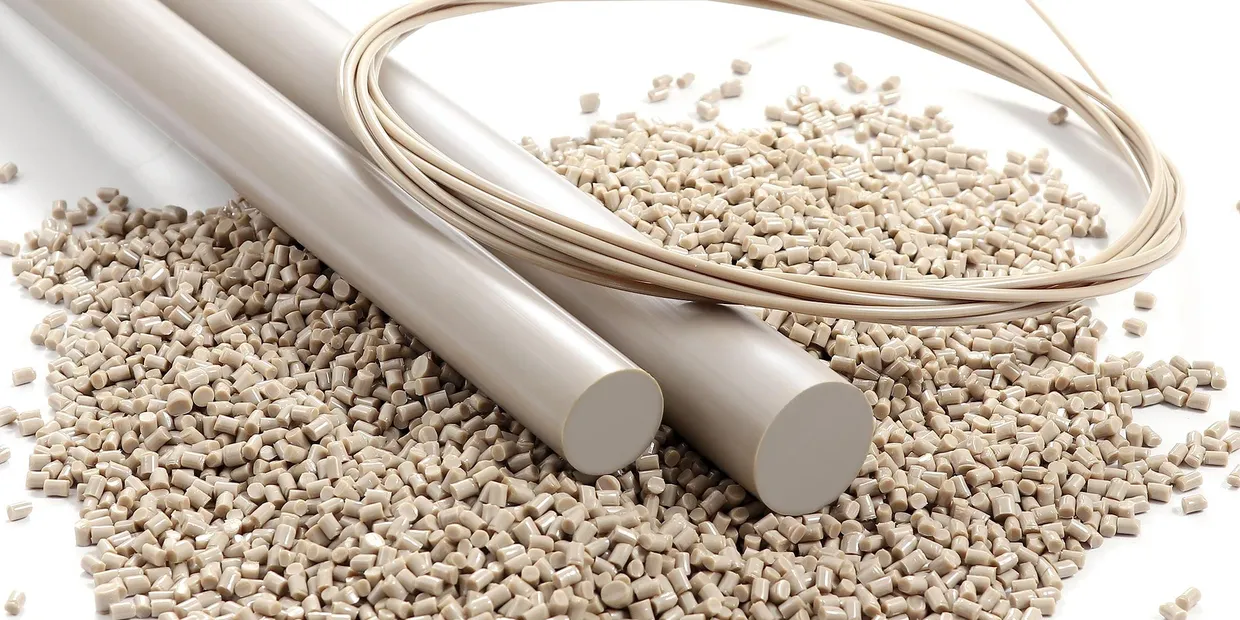
3. Polyetheretherketone (PEEK)
Polyetheretherketone (PEEK) is a semi-crystalline, high-performance engineering plastic known for its exceptional mechanical and thermal properties.
PEEK boasts high thermal dimensional stability, low flammability, excellent chemical resistance, and superb mechanical properties across a wide temperature range. It is commonly used in the aerospace, aviation, and automotive industries for structural parts requiring high load-bearing capacity, such as bushings, gears, shafts, bearings, and more.
4. Polycarbonate (PC)
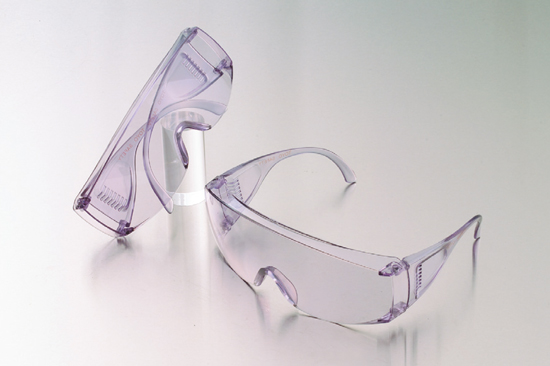
Polycarbonate (PC) is a transparent engineering plastic known for its high impact resistance, optical clarity, and excellent heat resistance, making it a popular choice for products such as eyeglass lenses, safety goggles, and bulletproof windows.
Polycarbonate is also used in the manufacturing of electronic components, automotive parts, and medical devices due to its excellent electrical insulation properties and biocompatibility.
Furthermore, its lightweight nature and ability to be easily molded into complex shapes make it a favored material for consumer goods, such as water bottles and food containers.
5. Acrylonitrile Butadiene Styrene (ABS)
ABS plastic is a widely used engineering plastic renowned for its strength, toughness, and heat resistance. It is commonly utilized in various applications, including automotive parts, electronic casings, and consumer goods.
ABS is known for its excellent dimensional stability and ease of processing, making it a popular choice for injection molding and 3D printing.
Additionally, ABS can be easily modified with additives to enhance its properties, such as UV resistance or flame retardancy.