UV additives play a crucial role in protecting plastics from the damaging effects of ultraviolet radiation, especially in outdoor applications with direct sun exposure. When plastics are exposed to UV radiation, they can degrade and become brittle, leading to a loss of mechanical properties and discoloration. Let's delve deeper into UV additives for plastics and their applications in the plastic industry in this article.
I. What are UV additives for plastics?
UV additives, also known as ultraviolet stabilizers, are substances added to plastic materials to protect them from the damaging effects of ultraviolet (UV) light. UV stabilizers work by absorbing or reflecting UV rays, preventing them from breaking down the molecular structure of the plastic, which can cause the plastic to become brittle, discolored, or degraded; this helps to extend the lifespan and maintain the appearance of plastic products.
II. Types of UV additives
There are several types of ultraviolet stabilizers, including UV absorbers, hindered amine light stabilizers (HALS), and quenchers, each with different mechanisms of action and levels of effectiveness.
A. UV absorbers
UV absorbers work by absorbing UV rays and converting them into harmless heat energy, which reduces the UV absorption of the plastic matrix and thus slows down the rate of weathering.
Each type of plastic requires different UV absorbers, for example:
- Phenolic benzotriazoles (UV-360, UV-328) and hydroxyphenyl-triazines (Bemotrizinol) are used for PC plastic and acrylics.
- Oxanilides are used for PA and PU plastics.
- Benzophenones are used for PVC plastics.
B. Hindered Amine Light Stabilizers (HALS)
HALS work by scavenging free radicals generated when UV light interacts with polymers. This helps prevent polymer degradation and can extend the lifespan of plastic products. Additionally, HALS also possess heat stabilizing capabilities.
HALS are extremely effective when used for POF, PE, and PU plastics, but they are not effective for PVC plastics.
C. Quenchers
Photo-oxidation can begin with the absorption of light by a chromophore in the polymer (which could be a dye or an impurity), causing it to transition to an excited state. This substance can then react with ambient oxygen, converting it into highly reactive singlet oxygen. Quenchers can absorb energy from excited molecules via a Förster mechanism and then harmlessly dissipate it as heat or lower-frequency fluorescence.
III. Benefits of using UV additives for plastics
One of the main benefits of using UV stabilizers in plastics is the prevention of yellowing and discoloration. When plastics are exposed to UV radiation, they can discolor and lose their aesthetic appeal. UV stabilizers help maintain the original color and appearance of plastics, ensuring they remain visually appealing for a longer period.
In addition to preventing discoloration, UV stabilizers also help improve the mechanical properties of plastics. UV radiation can make plastics brittle and lose strength, leading to cracking and breakage. By using UV stabilizers, the overall strength and performance of plastic products can be enhanced, resulting in more durable and reliable products.
Furthermore, UV stabilizers can also improve the weather resistance of plastics, making them more resistant to environmental factors such as temperature, humidity, and pollution. This can be especially beneficial for outdoor applications where plastics are exposed to various weather conditions.
IV. Applications of UV additives in the plastic industry
A. Automotive manufacturing industry
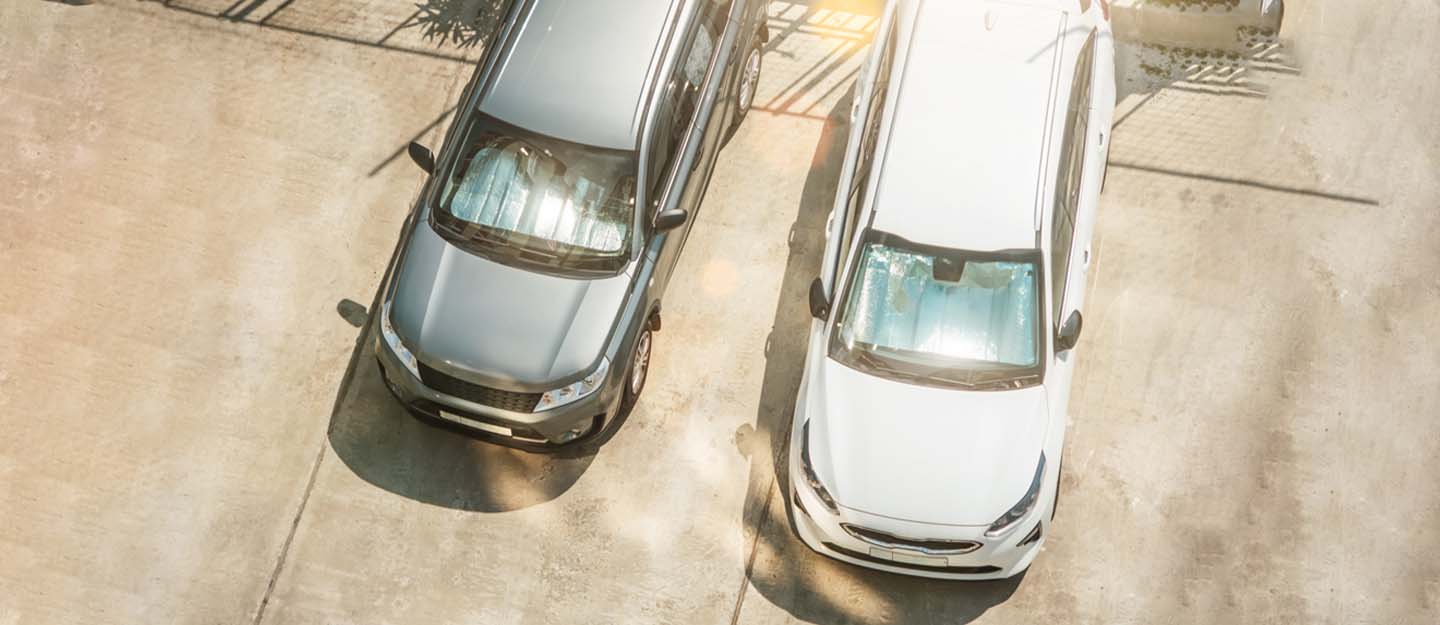
When it comes to automobiles, UV stabilizers are often used in the manufacture of exterior parts such as bumpers, trims, and other plastic or rubber components. These additives help prevent fading, cracking, and degradation of these components, which can occur due to prolonged exposure to sunlight.
One of the key benefits of using UV stabilizers in automotive components is maintaining the aesthetic appeal of the vehicle.
In addition to preserving the vehicle's appearance, UV stabilizers also contribute to its overall lifespan and durability. By protecting exterior components from UV-induced degradation, these additives help maintain the vehicle's structural integrity, ultimately extending its lifespan and reducing the need for frequent repairs or replacements.
B. Agriculture
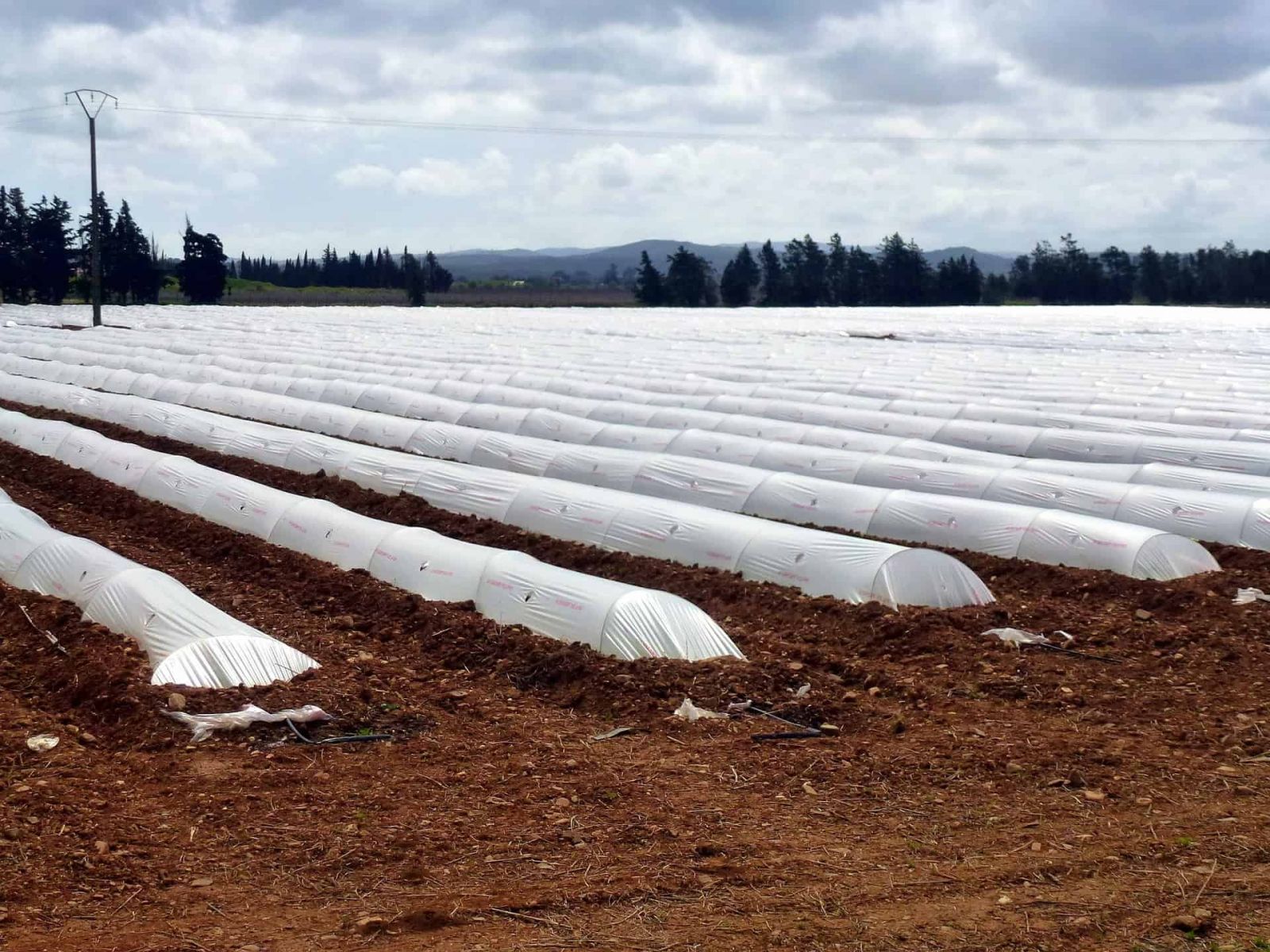
UV stabilizers are used in the production of agricultural films. UV stabilizers are added to these films to protect them from the damaging effects of ultraviolet radiation, ensuring they remain effective for a longer period. This reduces the need for frequent replacement, saving farmers time and money.
Moreover, they also protect crops from the harmful effects of ultraviolet radiation. UV radiation can damage plant cells, leading to reduced growth and yield.
C. Building materials
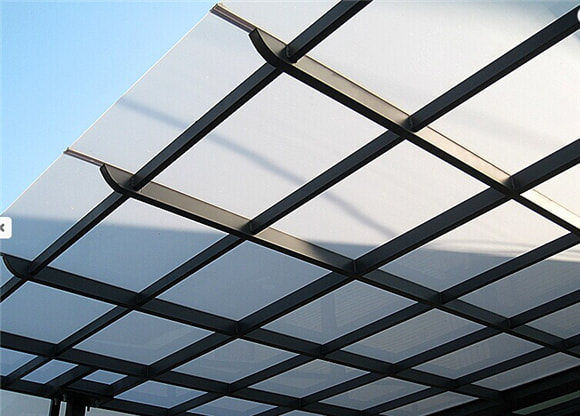
UV stabilizers are particularly important for outdoor construction applications where materials are constantly exposed to sunlight. Without proper UV resistance, materials such as plastic pipes and roofing sheets can become brittle, discolored, prone to cracking and degradation.
In addition to protecting materials, UV stabilizers also help maintain the aesthetic appeal of building products. By preventing fading and surface degradation, these additives ensure that materials retain their original appearance and performance over time.
By incorporating these additives into building materials, builders and manufacturers can provide more durable and reliable products, extending the lifespan of structures.
CPI Vietnam Plastic Co., Ltd is the largest direct manufacturer of plastic Masterbatch additives in Vietnam. Therefore, CPI Plastic is the top choice for manufacturing plants that require stable output and quality, aiming to meet the production and export demands of our valued customers.
(Refer to products here: UV Additives)