The evolution of materials has propelled the textile and packaging industries to new heights, thanks to nonwoven fabric production technology. Unlike traditional woven or knitted fabrics, nonwoven fabrics are created by bonding fibers together through various processes such as heat, chemicals, or mechanical action. This quality gives nonwoven fabrics countless applications across diverse industries, including healthcare, agriculture, packaging, and fashion. In this blog post, we will explore common types of nonwoven fabrics, their characteristics, and uses.
I. Types of Nonwoven Fabrics
A. Thermally Bonded Nonwoven Fabric
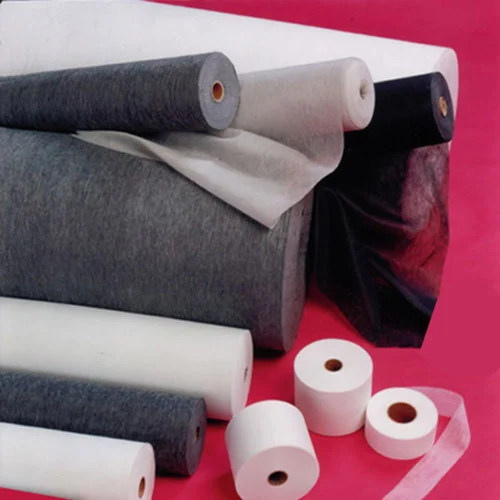
Thermally bonded nonwoven fabrics are a type of textile material characterized by their structure, formed from fiber layers spread out and bonded together using high temperatures.
The dry-laid nonwoven fabric production process consists of 5 steps:
- Fiber Preparation: Includes short fibers such as polyester, polypropylene, or natural fibers.
- Carding: Prepared fibers are fed into a carding machine, which disentangles, cleans, and aligns them into a loose web.
- Web Formation: After carding, a fiber web is formed. In the air-laying process, air streams are used to disperse and form the fiber web.
- Bonding: The loose web is then consolidated to enhance its structural properties. This can be done through thermal bonding, where heat is applied to melt specific fibers.
- Finishing: Additional finishing processes, such as calendering, dyeing, or coating, are used to impart specific properties like softness, strength, or water resistance.
Thermally bonded nonwoven fabrics are known for their soft and bulky properties, making them popular in applications such as disposable hygiene products—including diapers and feminine care products—and insulation materials. Additionally, they are used in automotive interiors and filtration systems, thanks to their effective barrier properties and customizable thickness.
B. Wet-laid Nonwoven Fabric
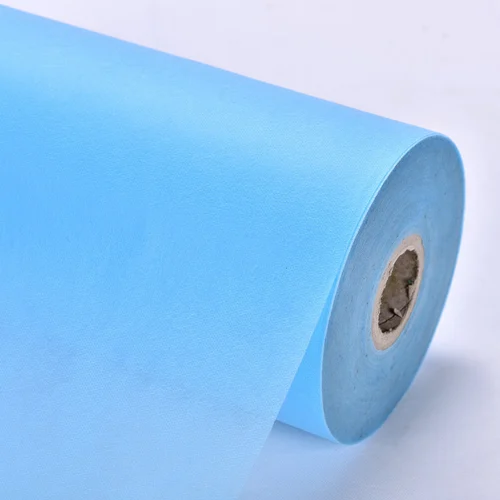
The production of wet-laid nonwoven fabric is a sophisticated and versatile process that combines papermaking principles with advanced fiber technology. The wet-laying process involves the following steps:
- Fiber Preparation: Fibers, including natural, synthetic, or a blend of both, are mixed with water.
- Web Laying: The mixture is poured and evenly spread on a screen. Once the water is pressed out, the remaining fibers allow them to bond and form a mat.
- Drying: Remaining moisture is removed.
- Finishing: Techniques such as calendering or coating may be used to achieve specific end properties.
Wet-laid nonwovens exhibit high absorbency and excellent liquid retention capabilities, making them well-suited for healthcare applications, including medical dressings, surgical gowns, and personal care products like wet wipes. Their unique structure enhances comfort while maintaining crucial protective properties.
C. Spunbond Nonwoven Fabric
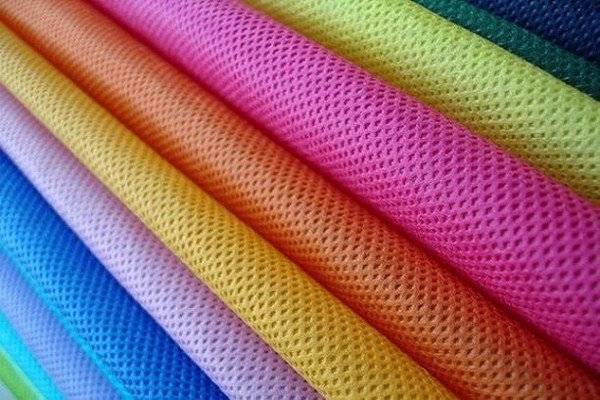
Spunbond nonwoven fabrics are produced by extruding thermoplastic filaments, which are then laid directly onto a moving conveyor belt to form a fabric-like structure.
The production process includes the following steps:
- Spinning: Thermoplastic polymers, usually polypropylene or polyester, are melted and spun into filaments.
- Web Formation: The filaments are drawn and distributed onto a moving conveyor to form a web.
- Fiber Bonding: The fibers are bonded together at their contact points using thermal bonding, chemical bonding, or mechanical bonding techniques.
- Finishing: The fabric undergoes finishing techniques to enhance its properties.
Known for their breathability and high strength, spunbond nonwoven fabrics are widely used in agricultural applications (such as crop covers), geotextiles for soil stabilization, and industrial products. Their ability to maintain structural integrity under stress makes them ideal for harsh environments.
D. Meltblown Nonwoven Fabric
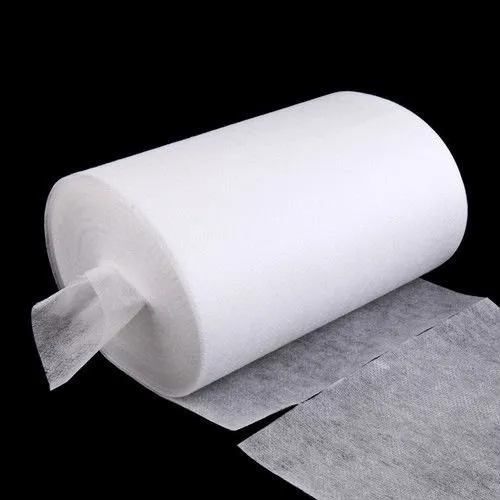
The meltblown nonwoven fabric production process is characterized by the transformation of thermoplastic polymers into fine fibers, which then form a web structure.
The Meltblown process goes through the following steps:
- Melting: The polymer is fed into an extruder, where it is heated to a molten state.
- Spinning: The molten mixture is pressed through a series of fine metering holes in a spinneret.
- Blowing: High-velocity hot air streams are introduced to the spinneret, drawing the molten polymer streams into ultrafine fibers.
- Cooling: The fibers are cooled and then laid onto a conveyor, forming a web.
- Bonding: Finally, the web undergoes thermal bonding. Additionally, chemical bonding agents can be incorporated to achieve desired properties.
Meltblown nonwoven fabrics are characterized by their fine fibers and light weight. Additionally, they possess excellent filtration properties, making them prominently used in the production of face masks, air filters, and other protective equipment. Furthermore, their absorbent nature and softness make them suitable for personal care products, such as diapers and feminine hygiene products.
E. Needlepunched Nonwoven Fabric
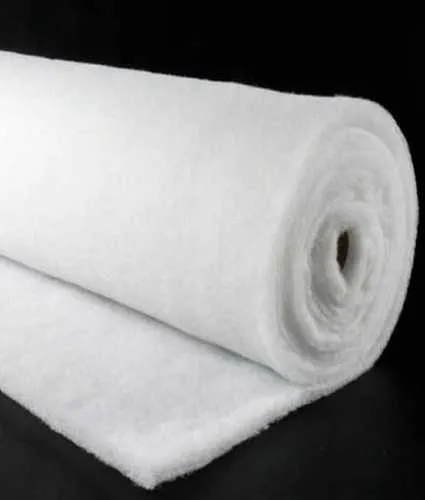
Needlepunched nonwoven fabrics are created by mechanically interlocking fibers through the use of barbed needles. This process produces a dense, felt-like fabric with a unique texture.
The production process for needlepunched nonwoven fabric is as follows:
- Fiber Preparation: Various types of fibers, such as polyester, polypropylene, or natural fibers, are selected based on the desired characteristics of the final product.
- Carding: The fibers are carded to form a nonwoven web. The carding machine disentangles and aligns the fibers, creating a continuous sheet-like structure.
- Needle Punching: Once the web is formed, the needle punching process begins. Here, a series of barbed needles rapidly penetrate the fiber web, entangling the fibers and bonding them together.
- Finishing: Finishing processes such as sewing, calendering, or coating are used to impart additional characteristics to the fabric.
The resulting texture makes needlepunched nonwovens ideal for applications such as carpets, automotive interiors, cushioning materials, and sound insulation. Their durability and robustness offer significant advantages in both residential and industrial environments.
F. Stitchbonded Nonwoven Fabric
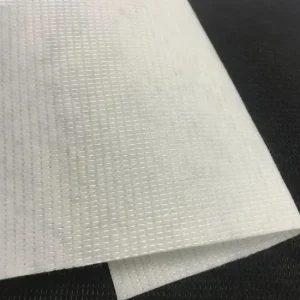
Stitchbonded fabrics are created through a process of stitching fibers together with threads, forming a stable and flexible fabric structure. This technique integrates the fibers and helps maintain their orientation.
The production process for stitchbonded nonwoven fabric uses dry-laying technology to lay fibers into a web, then bonds the fibers using a stitching process. In this stage, polymer threads are stitched into the fiber web using specialized stitching machines. This stitching not only compacts the fibers but also provides significant structural integrity to the fabric.
Stitchbonded fabrics are renowned for their versatility, durability, and robustness. They are commonly used in furniture, industrial products, and apparel. The stitching technique employed allows for intricate designs and patterns, making them both aesthetically pleasing and functional.
G. Spunlace Nonwoven Fabric
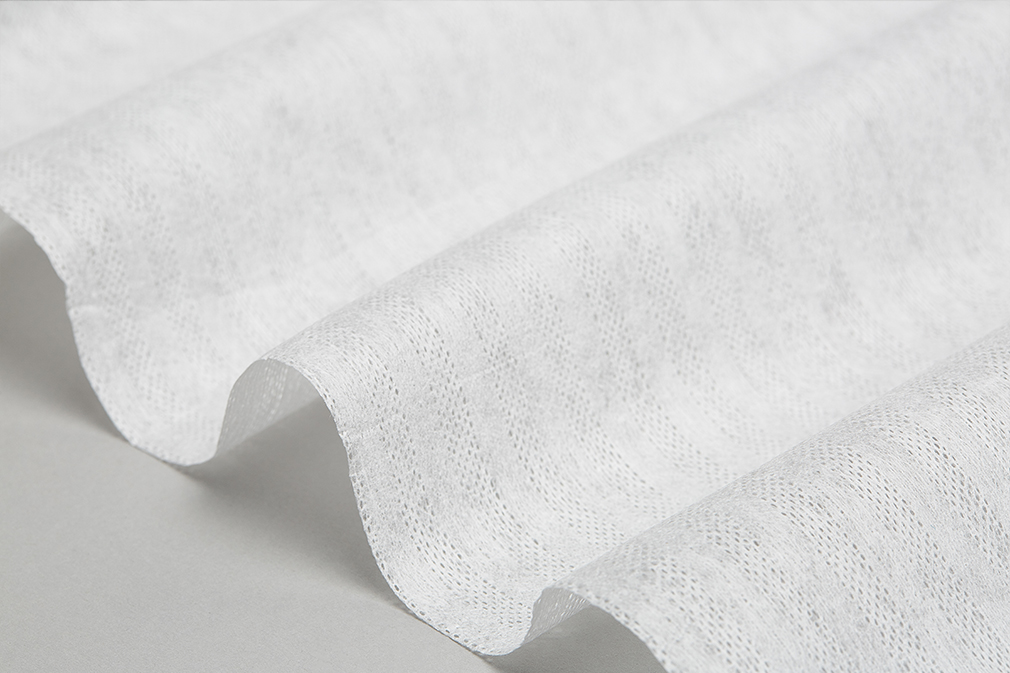
Spunlace nonwoven fabric, also known as Hydroentangled, is produced by using high-pressure water jets to entangle fibers without the need for binders or chemical adhesives. This innovative technique allows for the processing of various fibrous materials together.
The finished fabric has a softness and texture suitable for personal care products, such as facial wipes and disposable washcloths. Additionally, Spunlace nonwoven fabrics offer options for various levels of absorbency, meeting a wide range of consumer needs.
III. Comparative Analysis of Nonwoven Fabric Types
A. Performance Characteristics
Each type of nonwoven fabric has unique performance characteristics, such as strength, absorbency, and resistance to various environmental factors, making them suitable for specific applications. For example, meltblown fabrics excel in filtration applications, while spunbond fabrics are superior in strength.
B. Cost-effectiveness
The production costs associated with nonwoven fabrics vary significantly among different types. Generally, processes like spunbond and meltblown may have higher initial investments due to capital equipment costs; however, they often yield cost savings in mass production environments.
C. Sustainability Considerations
Sustainability is a growing concern in the textile industry. The recyclability and biodegradability of nonwoven materials largely depend on the composition of the fibers used. Manufacturers are increasingly seeking eco-friendly alternatives and innovative technologies to enhance the sustainability of these fabrics.
IV. Innovations and Trends in Nonwoven Fabric Production
A. Technological Advancements
Recent technological advancements in nonwoven fabric production have paved the way for the development of smarter textiles. These innovations include fabrics with integrated functionalities, such as antimicrobial treatments, moisture-wicking capabilities, and improved durability.
Additionally, efficiency improvements in manufacturing processes—from automation to real-time monitoring systems—are ensuring that nonwoven fabric production is more responsive to market demands.
B. Market Trends
The growing demand for environmentally friendly and biodegradable materials drives manufacturers to invest in research and development for sustainable nonwoven solutions. Furthermore, emerging markets and sectors, such as personal protective equipment after the COVID-19 pandemic, have significantly expanded the applications of nonwoven fabrics.
V. Conclusion
Nonwoven fabrics are an integral part of various industries, and their diverse applications highlight their importance in a rapidly evolving market. Nonwovens will undoubtedly play a crucial role in promoting sustainability across many sectors, establishing themselves not only as alternatives but also as essential components of modern textile solutions.