Anti-block additives play a particularly important role in the production of plastic films, bags, and packaging materials. In addition, the use of additives in plastic manufacturing brings convenience to users. Let's explore the role of anti-block additives in the plastics industry in the article below.
I. What are Anti-block Additives?
Anti-block additives, also known as Antiblock additives, are a type of additive used in the production of plastic materials. Their primary function is to prevent the adhesion of plastic film or sheet surfaces, which can occur during production, storage, transportation, and use.
II. Role of Anti-block Additives in the Plastics Industry
1. Preventing Adhesion
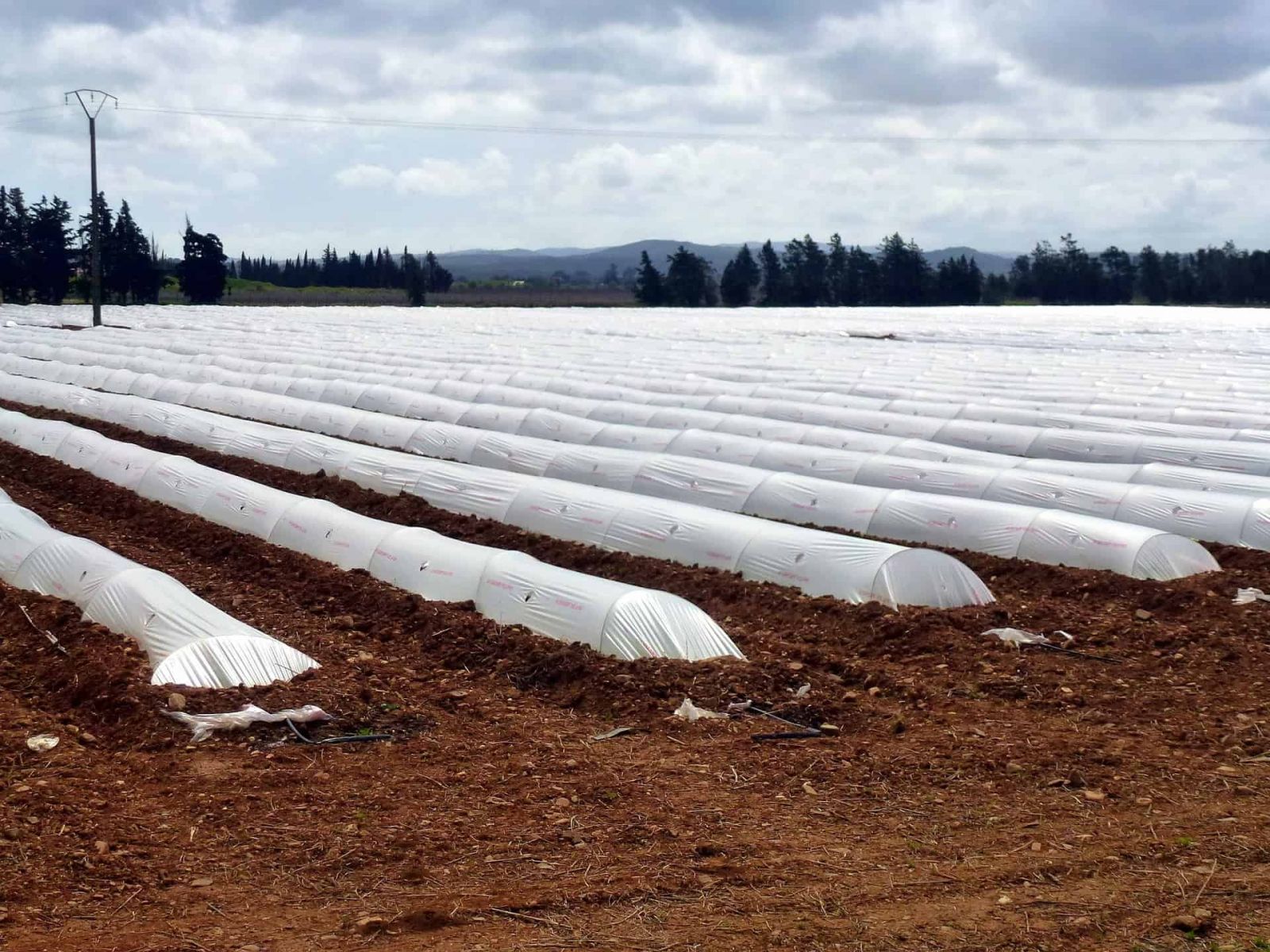
Anti-block additives are used to prevent plastic films or sheets from sticking to each other, especially during storage and transportation. These additives create tiny rough surfaces on the plastic film, helping to reduce the blocking effect and allowing easy separation of the film. This is particularly important in industries that use large plastic films, such as in packaging and agriculture.
2. Improving Surface Quality
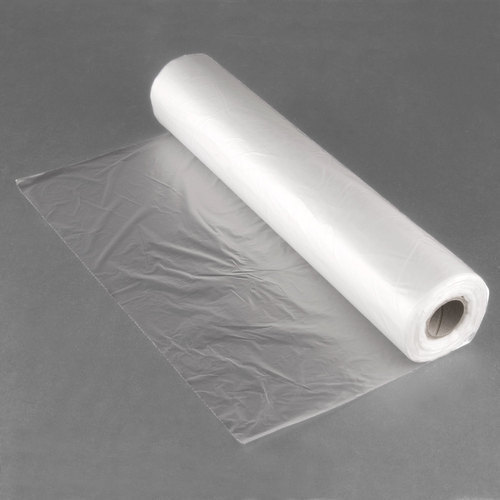
In addition, anti-block additives also improve the clarity and transparency of plastic films, as well as reduce the coefficient of friction, making the film easier to handle and process. This is particularly important in applications where the appearance and quality of the plastic film are critical, such as in food and consumer goods packaging.
3. Enhancing Processing Efficiency
In terms of processing, anti-block additives also help reduce the force required to unwind or separate plastic films, thereby increasing efficiency and productivity in the manufacturing process. This is especially crucial in high-speed packaging lines, where smooth and efficient handling of plastic films is essential.
III. Types of Anti-block Additives
1. Inorganic Anti-block Additives
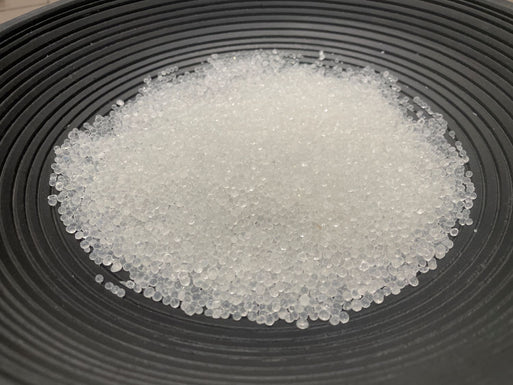
The most common type of anti-block additive consists of inorganic particles, such as silica or talc. These particles are added to the plastic during manufacturing, where they form a micro-layer on the plastic surface, preventing it from sticking to other surfaces. Inorganic anti-block additives are highly effective and suitable for a wide range of plastic applications.
2. Organic Anti-block Additives
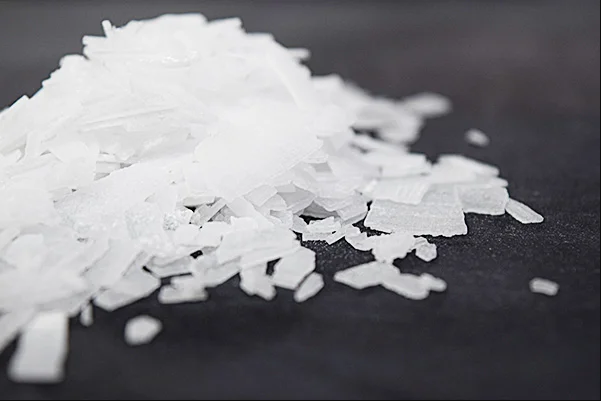
Another type of anti-block additive consists of organic particles, such as polyethylene wax or polypropylene wax. These particles work similarly to inorganic additives, forming a thin layer on the plastic surface to prevent adhesion. Organic anti-block additives are often preferred for applications where clarity and transparency are important, as they have a minimal impact on the external appearance of the plastic.
3. Specialty Additives
In addition to inorganic and organic particles, there are also specialized anti-block additives designed for specific applications. For example, for food packaging, anti-block additives that comply with food contact regulations are used to ensure the safety of packaged food.
IV. Applications of Anti-block Additives in Manufacturing
1. Extrusion
In extrusion, anti-block additives play a crucial role in preventing the sticking of film layers during production. This helps maintain the quality and appearance of the film and facilitates the handling and packaging of the final product. By reducing the coefficient of friction between film layers, anti-block additives also contribute to improving the overall efficiency of the extrusion process.
2. Injection Molding
In injection molding, anti-block additives are used to prevent plastic parts from sticking to the mold surface. This not only improves mold release characteristics but also enhances the surface finish of the molded parts. Additionally, the use of anti-block additives in injection molding helps reduce wear and tear on the mold, leading to a longer mold lifespan and lower maintenance costs.
3. Blow Molding
Similarly, in blow molding, anti-block additives are used to prevent the plastic material from sticking to the mold surface. This results in smoother and more uniform wall thickness in blow-molded products, as well as improved mold release characteristics. The use of anti-block additives in blow molding also helps reduce the occurrence of defects such as blemishes and surface roughness, leading to a higher quality final product.
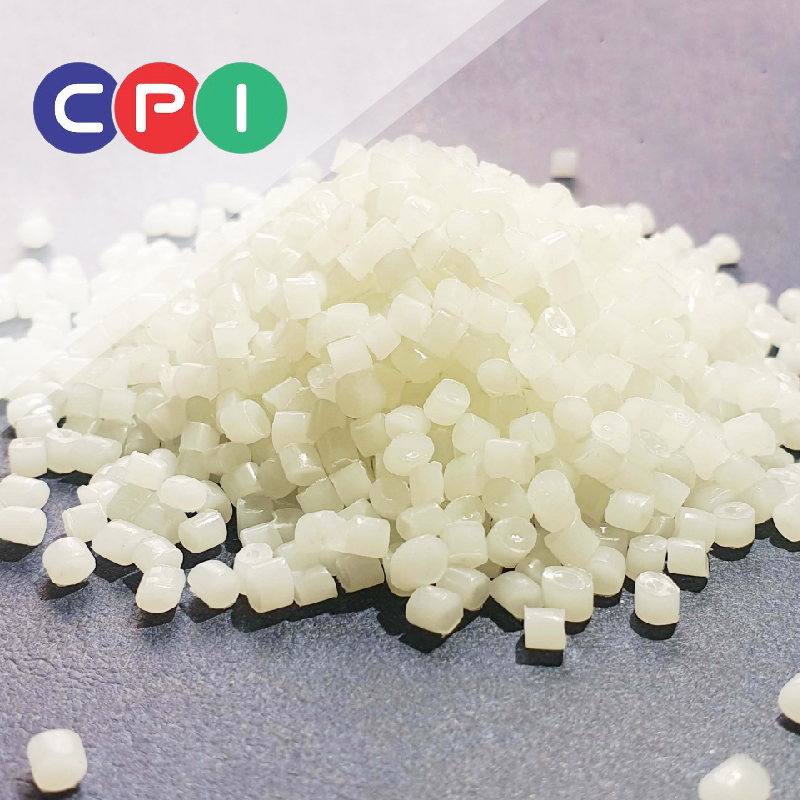
CPI Vietnam Plastic Co., Ltd. is the largest direct manufacturer of Masterbatch plastic additives in Vietnam. Therefore, CPI Plastic is the top choice for manufacturing plants requiring stability in output and quality, aiming to meet the production and export demands of our customers.
(Refer to products here: Anti-block Additive Pellets)