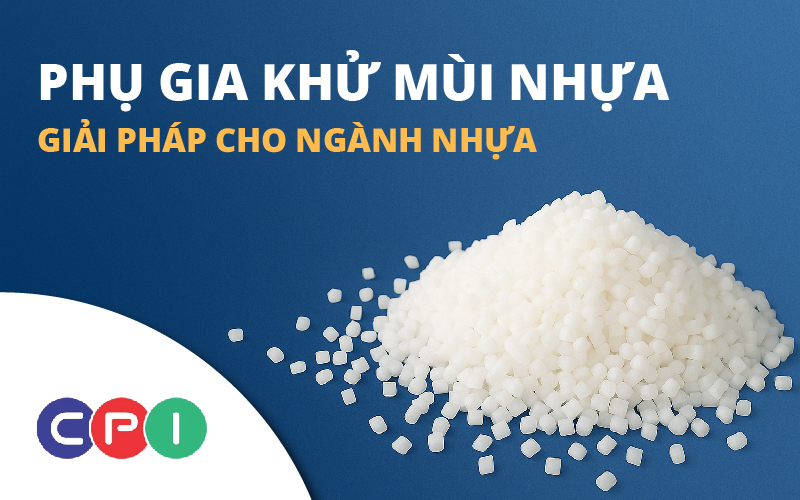
Polycarbonate (PC) Plastic is a versatile material that has become increasingly popular in eyewear manufacturing. Its unique properties make it an ideal choice for eyewear, offering durability, impact resistance, lightweight comfort, and UV protection. In this article, we will explore the importance of polycarbonate in eyewear manufacturing, its properties, benefits, applications, and comparison with other materials.
I. Introduction to Polycarbonate Plastic
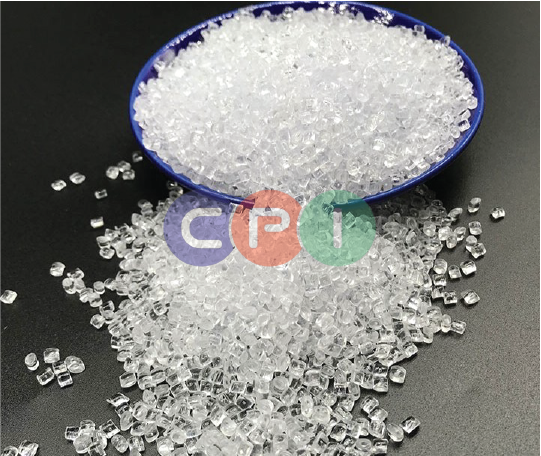
Polycarbonate plastic, also known as PC plastic, is a versatile and durable thermoplastic material. It is known for its high impact resistance, optical clarity, and heat resistance, making it a popular choice for applications requiring strength and transparency. Polycarbonate is also lightweight and easily moldable, allowing for intricate designs and complex structures.
Polycarbonate is a popular choice for eyewear manufacturing due to its durability, lightweight nature, and UV protection properties. These qualities make it an excellent material for creating safe and comfortable eyewear.
II. Properties of Polycarbonate
A. Durability
Polycarbonate is extremely strong and impact-resistant, making it ideal for applications where durability and resilience are crucial. Unlike other materials, PC plastic is virtually unbreakable, making it a popular choice for items that need to withstand heavy use or harsh environments.
B. Impact Resistance
Polycarbonate can absorb and dissipate energy from impacts, reducing the likelihood of damage or shattering. This property makes PC plastic a popular choice for safety equipment, such as helmets and safety glasses, as well as for applications where impact resistance is important, such as in construction or automotive components.
C. Lightweight
Despite its high strength and durability, Polycarbonate is surprisingly lightweight, making it easy to handle and transport. This makes polycarbonate a popular choice for weight-sensitive applications, such as in aerospace or automotive parts, where weight reduction can lead to improved performance and fuel efficiency.
D. UV Protection
Polycarbonate plastic is naturally resistant to UV radiation, making it an ideal choice for outdoor applications where exposure to sunlight is a concern. This property makes polycarbonate a popular choice for items such as outdoor signage, greenhouse panels, and skylights, where protection from UV radiation is crucial to prevent damage and degradation over time.
III. Benefits of using polycarbonate in eyewear manufacturing
A. Safety
Polycarbonate is impact-resistant and highly durable, less prone to shattering upon impact, making it a safe choice for eyewear. This is especially important for individuals with active lifestyles or those who work in environments where their eyewear might be prone to damage, reducing the risk of injury in case of an accident. Additionally, its UV protection shields your eyes.
B. Comfort
The lightweight nature of polycarbonate makes it comfortable to wear for extended periods without causing discomfort or strain on the nose or ears. This lightweight material is easy to wear for long durations without causing discomfort or irritation. The flexibility of polycarbonate allows for a more customized fit, ensuring your eyewear stays in place and provides optimal comfort throughout the day.
C. Clear Vision
Furthermore, polycarbonate plastic offers excellent clear vision. This material is highly resistant to scratches and abrasion, ensuring your eyewear maintains its clarity for longer. The high optical quality of polycarbonate also provides sharp and clear vision, allowing you to see better without distortion.
D. Longevity
This durable material is resistant to heat, chemicals, and UV radiation, making it a long-lasting choice for eyewear manufacturing. By choosing polycarbonate plastic for your eyewear, you can enjoy a reliable and durable product.
IV. Applications of polycarbonate in different types of eyewear
A. Prescription Glasses
Prescription glasses made from polycarbonate are lightweight and impact-resistant, making them a popular choice for individuals who need to wear thick lenses. The durability of polycarbonate ensures that these glasses can withstand daily wear and tear while providing excellent optical clarity.
B. Sunglasses
Sunglasses made from polycarbonate offer superior UV protection and impact resistance, making them a safe and stylish choice for outdoor activities. The lightweight nature of polycarbonate also makes them comfortable to wear for extended periods.
C. Safety Glasses
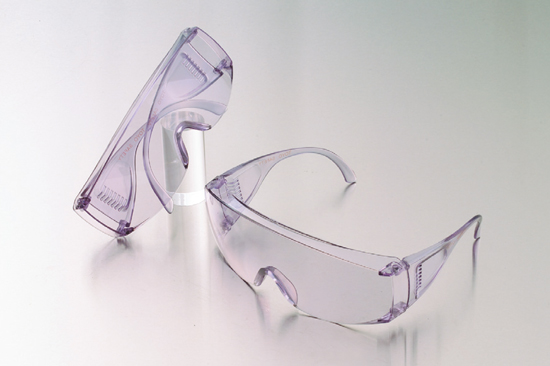
Safety glasses made from polycarbonate are designed to protect the eyes from potential hazards in the workplace. The impact resistance of polycarbonate ensures that these glasses provide reliable protection against flying debris and other hazards, making them essential for industries such as construction, manufacturing, and healthcare.
D. Sports Glasses
Sports glasses made from polycarbonate plastic are specifically designed to withstand the rigors of physical activity. The impact resistance of polycarbonate plastic ensures that these glasses can withstand high-speed impacts, making them essential gear for athletes and outdoor enthusiasts.
V. Comparison of PC plastic with other materials used in eyewear manufacturing
A. Polycarbonate Lenses vs. Glass
Glass has been a traditional material in eyewear manufacturing. It offers exceptional optical clarity and scratch resistance. However, glass lenses are heavier and more prone to shattering than plastic lenses. Moreover, glass lenses lack adequate impact resistance, making them unsuitable for active lifestyles or industrial environments.
Polycarbonate lenses are lighter and more impact-resistant than glass lenses, making them a safer and more comfortable option for spectacle wearers.
B. CR-39 Plastic
CR-39 plastic, also known as allyl diglycol carbonate (ADC), has been a staple in the eyewear industry for decades. It is highly regarded for its lightweight properties and affordability. While CR-39 lenses offer good optical quality, they are more susceptible to scratches and shattering compared to polycarbonate lenses. This makes them less suitable for individuals seeking durable and impact-resistant eyewear.
C. Trivex
Trivex has gained attention in recent years as a high-performance eyewear material. It shares similarities with polycarbonate in terms of impact resistance and lightweight construction. However, Trivex lenses are known for their superior optical clarity and ability to be tinted without distortion, making them a preferred choice for individuals with specific visual requirements. Nevertheless, Trivex is less common and more expensive than polycarbonate plastic.
VI. Conclusion
Polycarbonate is a durable, lightweight, and safe material that offers clear vision and UV protection, making it an ideal choice for eyewear manufacturing.
In conclusion, the future of polycarbonate materials in eyewear manufacturing is bright. Its exceptional properties, combined with advancements in technology and an increasing focus on sustainability, position it as the material of choice for manufacturers looking to create high-quality and innovative eyewear products. As consumer demand for stylish and functional eyewear continues to grow, polycarbonate materials are poised to play a crucial role in shaping the future of the eyewear industry.