Today, with the widespread development of plastics and plastic products in daily life and manufacturing, you've probably heard of plastic pellets. So, what are plastic pellets? What are plastic pellets used for? Let's explore this material in more detail in the article below.
I. What are Plastic Pellets?
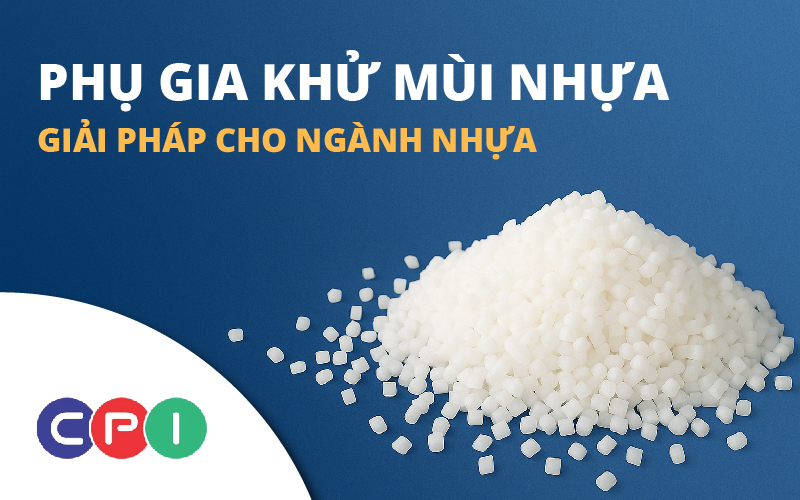
Plastic pellets are the main raw material for manufacturing plastic products. Plastic pellets are essentially plastic that has been produced and cut into small granular forms, making the processing and manufacturing of plastic products easier. Their small granular form facilitates easy mixing with other raw materials and additives, and they melt easily into a compound.
Plastic pellets are classified into 3 groups:
- Virgin plastic pellets.
- Recycled plastic pellets.
- Bioplastic pellets.
II. Distinguishing Types of Plastic Pellets
| Virgin Plastic | Recycled Plastic | Bioplastic | |
| Origin | Crude oil, natural gas | Used plastic, plastic waste | Plants, renewable biomass |
| Characteristics | White or transparent |
|
Biodegradable |
| Applications | Used in products requiring high quality |
|
Used for household goods, food packaging, consumer products. |
A. Virgin Plastic Pellets
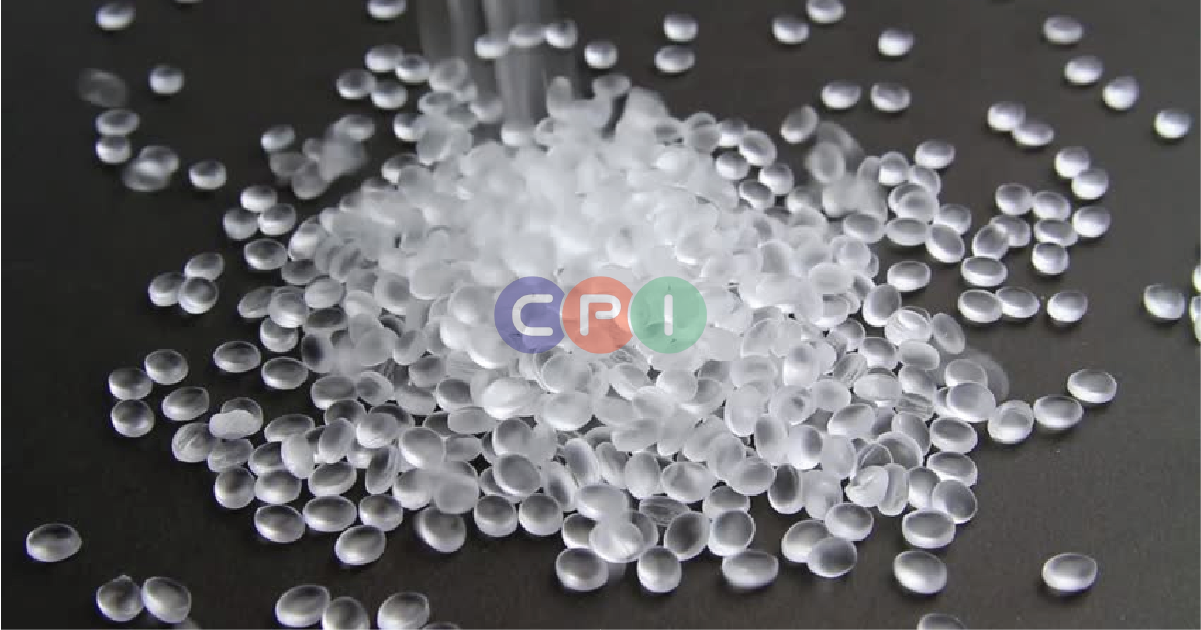
Virgin plastic pellets are produced from fossil fuels such as crude oil or natural gas; Virgin plastic is white or transparent and contains no impurities. The most commonly used types of virgin plastics today include PET, PE, PP, PVC, PS, PC, PA, ABS…, along with their variants.
(see more: Virgin Plastic Pellets)
(see more: Virgin Plastic Pellet Production Process)
B. Recycled Plastic Pellets
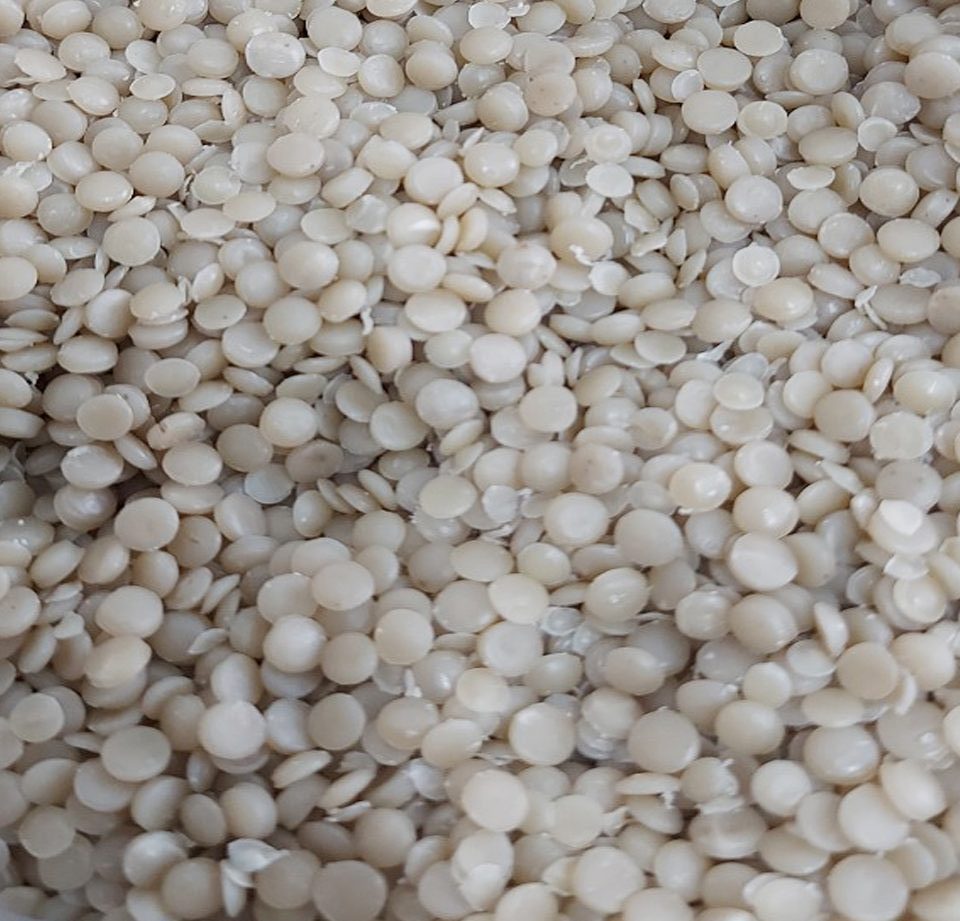
Recycled plastic, also known as reprocessed plastic, is produced by recycling old plastic products and plastic waste. Recycled plastic will carry the characteristics of the recycled product, such as color and material. The most common recyclable plastics are PP, PE, ABS, PET, PVC, etc.
Because it is recycled from old, used products, the quality and properties of this plastic will be inferior to virgin plastic, containing more or fewer impurities depending on the manufacturer.
Recycled plastic is used 100% or blended with virgin plastic to reduce product costs while still ensuring some of the product's characteristics, similar to when using virgin plastic. Using recycled plastic helps reduce the amount of plastic waste released into the environment, mitigating environmental pollution.
(see more: Recycled Plastic Pellets)
C. Bioplastic Pellets
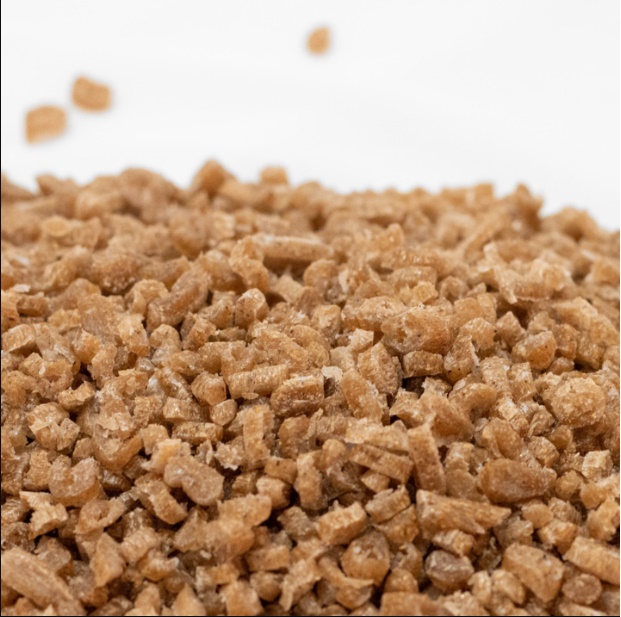
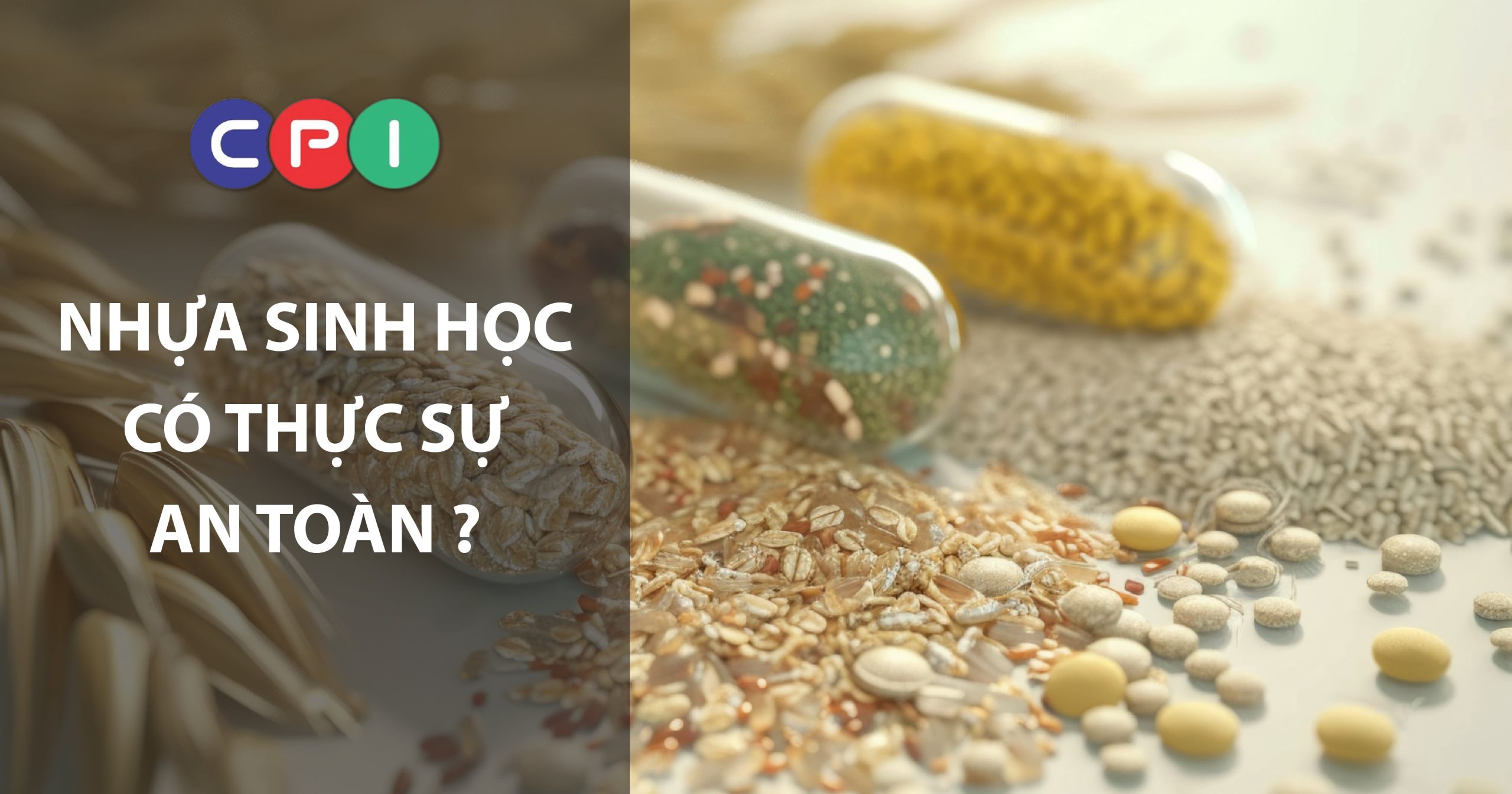
Bioplastic pellets were developed to offer a material that can replace plastic, helping to alleviate environmental pollution caused by plastic waste. Bioplastics originate from renewable biomass (primarily plants). Due to their organic raw material composition, bioplastics are biodegradable and do not harm the environment.
Raw materials for bioplastic production that have been successfully researched and developed include starch, protein, cellulose, or more specifically, corn starch, potato starch, and sugarcane…
Due to their easy degradability, bioplastics are often used to produce single-use consumer goods or household products with short lifespans, as well as food packaging (products with high waste volumes).
CPI Vietnam Plastic Co., Ltd is a direct manufacturer and importer of virgin plastic pellets and recycled plastic pellets in Vietnam. Additionally, CPI Plastic Company also produces plastic additives such as: color masterbatches, taical filler masterbatches, UV additives, flame retardant additives, etc. You can contact us directly at our Hanoi office or call hotline 0913046902 for consultation and the best quotation.