The evolution of materials has become a driving force for various industries, and the plastics industry is no exception. Among the innovative materials that have emerged in recent years, nonwoven fabric has garnered significant attention. Distinguished by its unique properties and diverse applications, nonwoven fabric offers countless advantages that align with the demands of the modern plastics industry. This blog post delves into the fundamental characteristics, applications, and future prospects of nonwoven fabric in the plastics industry.
I. The Development of Nonwoven Fabric
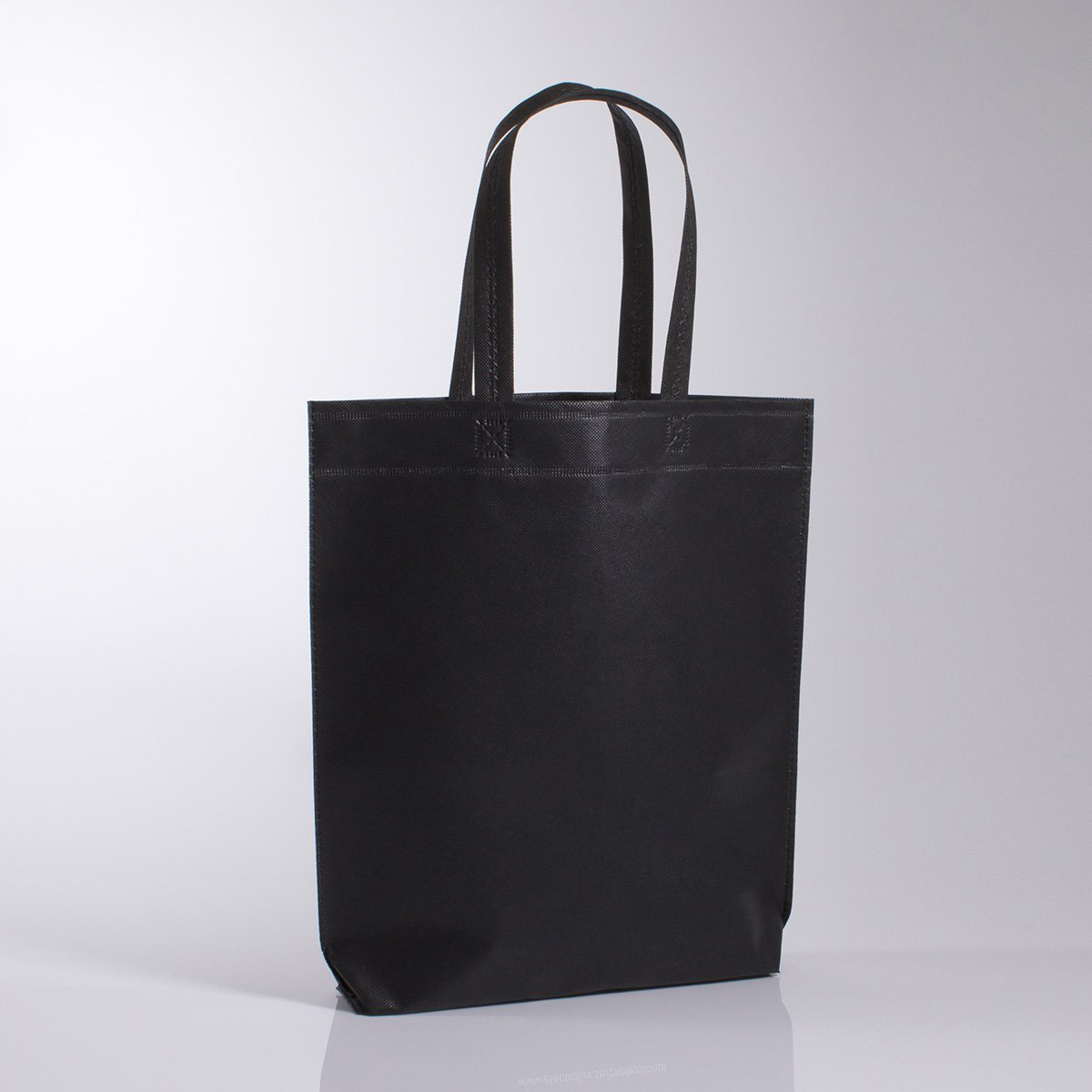
Nonwoven fabric is a material created by bonding fibers together through various methods, such as mechanical, thermal, or chemical processes, without the need for weaving or knitting.
The development of nonwoven fabric in the plastics industry has witnessed significant evolution since its inception in the 1940s. Initially, these materials emerged as a viable alternative to traditional woven fabrics, leveraging advancements in polymer technology and manufacturing processes. The advent of sophisticated production techniques, such as spunbonding and meltblowing, enabled the creation of lightweight, durable, and versatile nonwovens tailored for a myriad of applications. Over the decades, there has been a remarkable increase in their utilization across various sectors, including healthcare, filtration, and automotive, owing to their unique properties and cost-effectiveness. Continuous research and development into biodegradable and recyclable nonwoven materials further highlight the industry’s commitment to sustainability, making nonwovens a critical component in the shift towards more environmentally friendly practices within the plastics industry.
II. Characteristics of Nonwoven Fabric
A. Structural Composition
Nonwoven fabrics are distinguished by their structural composition, which can include a wide array of fibers, both natural (such as cotton and rayon) and synthetic (like polypropylene and polyester). These fibers can be arranged in various configurations, and bonding techniques such as heat, adhesives, or mechanical entanglement play a crucial role in determining the texture and strength of the final product.
B. Physical Properties
The physical properties of nonwoven fabrics significantly contribute to their usability. They exhibit considerable strength and durability, and with the right techniques, can maintain integrity under pressure. Furthermore, nonwovens can be engineered to be breathable and permeable, ideal for applications like medical apparel and hygiene products. Softness and comfort are also integral, especially in consumer items where tactile sensation is paramount.
C. Versatility
One of the standout features of nonwoven fabrics is their remarkable versatility. These materials can be engineered to display a noteworthy array of styles and textures, allowing them to cater to specific functions. From smooth, soft surfaces for apparel to rougher textures ideal for cleaning tools, nonwovens adapt to meet a wide range of aesthetic and functional needs.
III. Applications of Nonwoven Fabric
A. Healthcare
In healthcare, nonwoven fabrics have revolutionized safety and hygiene standards. Surgical gowns, masks, and drapes are primarily made from nonwovens due to their disposable and sterile nature, significantly reducing the risk of infection. Additionally, wound dressings and absorbent materials leverage nonwoven technology to provide superior fluid management.

B. Hygiene Products
The hygiene industry is a major consumer of nonwovens, with products ranging from disposable diapers to feminine hygiene products. Their absorbent properties, lightweight nature, and cost-effectiveness make them ideal for creating products that require not only functionality but also comfort and ease of use.
C. Geotextiles and Construction
Geotextiles are another critical application of nonwovens. Used for soil stabilization and erosion control, these fabrics play an essential role in construction projects by providing water flow control barriers and enhancing ground stability. Applications in road systems and drainage further highlight the utility of nonwovens in infrastructure.
D. Automotive and Industrial
In the automotive sector, nonwovens serve multiple functions, from seat upholstery to insulation materials and sound absorption applications. Their lightweight properties and durability contribute to improved vehicle efficiency and passenger comfort, making them a popular choice for manufacturers.
E. Consumer Goods
Additionally, their unique characteristics enable innovative applications in fashion and apparel, leading to the development of nonwovens that combine functionality with style.
IV. Challenges and Future Prospects
The nonwoven fabric industry is not without its challenges. Competition from alternative materials can erode market share, while supply chain issues related to raw material sourcing can disrupt production. Additionally, continuous pressure to enhance environmental sustainability drives manufacturers towards innovation, requiring investment in research and development to keep pace.
The future prospects for the nonwoven fabric industry appear promising. Emerging technologies are set to redefine manufacturing processes, while potential markets for expansion—such as environmentally friendly applications—offer new avenues for growth. Nonwovens offer solutions to pressing global issues, including environmental sustainability, while continuing to adapt to the dynamic needs of various industries.
V. Conclusion
In conclusion, nonwoven fabrics stand out for their importance and versatility across numerous industries. As global demand continues to rise, a commitment to innovation, sustainability, and adherence to safety and health measures will be essential for the continued success of the nonwoven fabric industry. Stakeholders, including manufacturers, policymakers, and consumers, must collaborate to ensure the longevity and responsible growth of this unique and vital sector. The journey ahead holds immense potential, and the role of nonwoven fabrics in shaping the future of textiles remains invaluable.