I. Definition of Microplastics
Microplastics are tiny plastic pieces measuring less than 5mm. They are formed either through the breakdown of larger plastic items or are intentionally manufactured at a small size. These tiny plastic particles have become a major environmental concern due to their widespread presence in the environment and their potential to harm ecosystems and human health.
II. Where are Microplastics Found?
Once in the environment, microplastics can be transported by wind and water, leading to their widespread distribution. Microplastics are found in oceans, rivers, lakes, and even in soil. In fact, a study published in Science magazine estimated that there are approximately 15 to 51 trillion microplastic particles floating in the world's oceans.
Microplastic particles have also been found in the air we breathe, with recent studies detecting them in urban air samples. These particles can be released into the air through the wear and tear of plastic products, as well as from washing synthetic clothing.
III. Origins of Microplastics
There are two main sources of microplastics: primary and secondary sources.
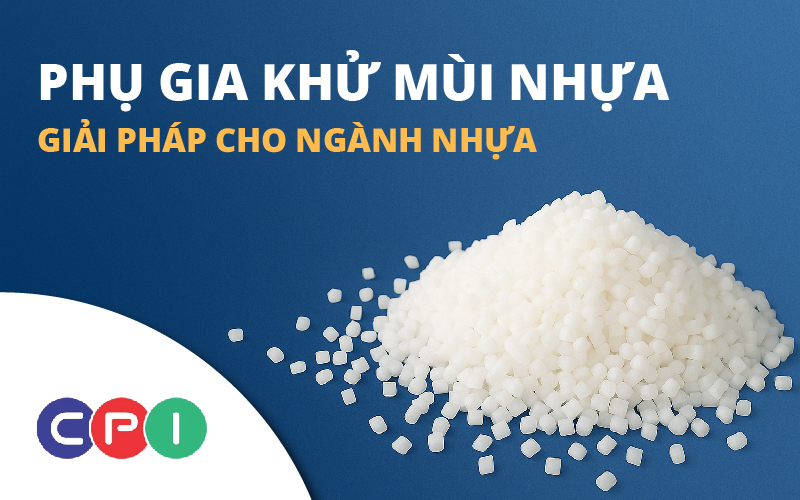
Primary sources are microplastics found in personal care products such as exfoliating scrubs, toothpaste, and makeup. These tiny plastic particles are designed to provide a gentle scrubbing effect, but once they are washed down the drain, they accumulate in our waterways and can be ingested by marine life. Another source is plastic pellets used in manufacturing processes. These small plastic pellets are melted and molded into various plastic products but are easily spilled or washed into the environment during production and transportation.
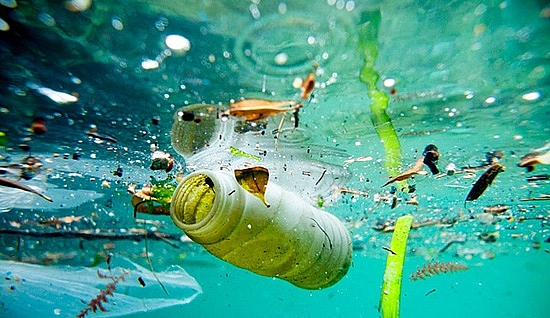
Secondary microplastic sources are generated from the breakdown of larger plastic items such as water bottles, bags, and packaging materials. Secondary microplastic particles are created due to the effects of various environmental factors, including sunlight, heat, and mechanical impact, which cause larger plastic objects to degrade and fragment into smaller pieces.
IV. Impacts of Microplastics
One of the main problems with microplastics is their ability to accumulate in the environment. Once released into water or soil, they can be ingested by a wide range of organisms, from plankton to larger marine animals. This can have serious consequences for wildlife, as the ingestion of microplastic particles can lead to physical harm, digestive issues, and even death. Additionally, these particles can absorb toxic chemicals such as pesticides and heavy metals, which can then be transferred up the food chain.
Furthermore, microplastics have also been found in drinking water, salt, and even in the air we breathe. While the long-term health effects of ingesting or inhaling microplastic particles are not yet fully understood, there is growing concern about the potential risks they may pose to human health. Some studies suggest that microplastics may have negative impacts on the immune system, disrupt hormone balance, and even contribute to the development of certain diseases.
V. Strategies to Reduce Microplastics
To address this problem, various mitigation strategies have been proposed. One approach is to implement regulations on the use of microplastics in consumer products. By restricting or banning the use of these particles in certain products, governments can help reduce the amount of microplastics entering the environment.
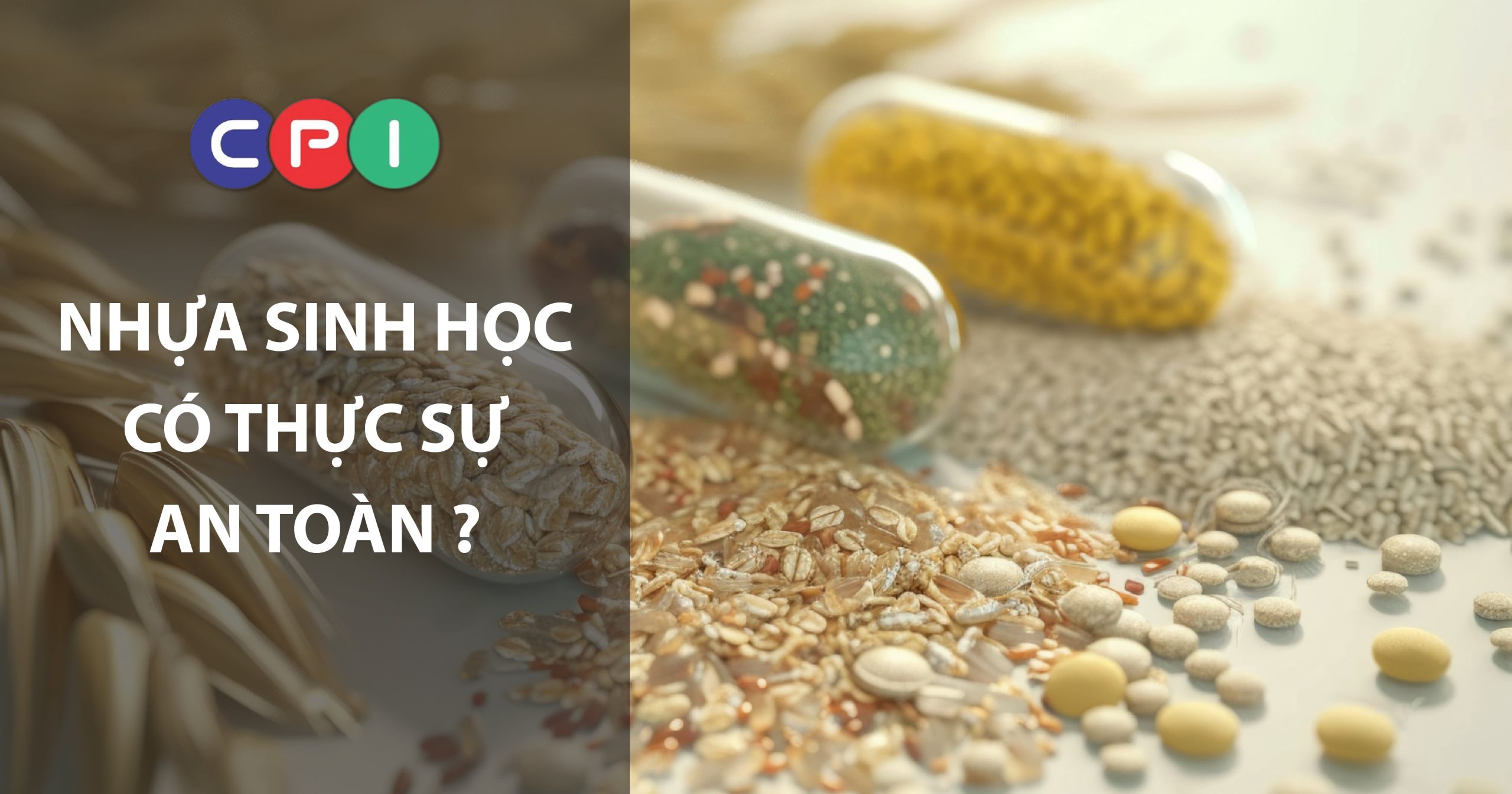
Another strategy is the development of biodegradable alternatives to traditional plastics. These alternatives are more likely to break down in the environment, reducing the risk of microplastic pollution. Researchers and companies are actively working to create innovative materials that can replace conventional plastics in a wide range of products.
In addition to regulatory and technological solutions, public education and awareness campaigns play a crucial role in addressing the issue of microplastic pollution. By raising awareness about the environmental impacts of microplastics and providing information on how individuals can reduce their use and properly dispose of plastic waste, these campaigns can help change consumer behavior and promote sustainable practices.
In summary, the impact of microplastics on the environment and human health is a complex and urgent issue that requires immediate attention. By raising awareness, implementing sustainable measures, and supporting research efforts, we can work towards reducing the presence of microplastics in the environment and protecting the health of both wildlife and humans.