Heat-resistant plastics are a type of polymer that can withstand high temperatures above 200°C without deforming, melting, or releasing toxic fumes. These materials are commonly used in applications that are frequently exposed to heat, such as in automotive components, electronic devices, and cooking utensils. Heat-resistant plastics are designed to maintain their structural integrity and performance under extreme temperature conditions, making them essential materials in various industries. This article will explore types of heat-resistant plastics and their applications in various industries.
I. Types of Heat-Resistant Plastics
1. PEEK
PEEK (polyether ether ketone) is one of the most popular types of heat-resistant plastics. PEEK plastic can withstand temperatures up to 260°C (500°F). It is commonly used in applications such as medical devices, automotive components, and aerospace parts.
PEEK is known for its excellent mechanical strength, chemical resistance, and hydrolysis resistance. It also has low flammability and radiation resistance, making it an ideal material for applications requiring durability and reliability.
In the medical field, PEEK is often used in implants and medical devices due to its biocompatibility and radiolucency. In the aerospace industry, it is used in parts requiring high strength and lightweight properties.
2. PPS
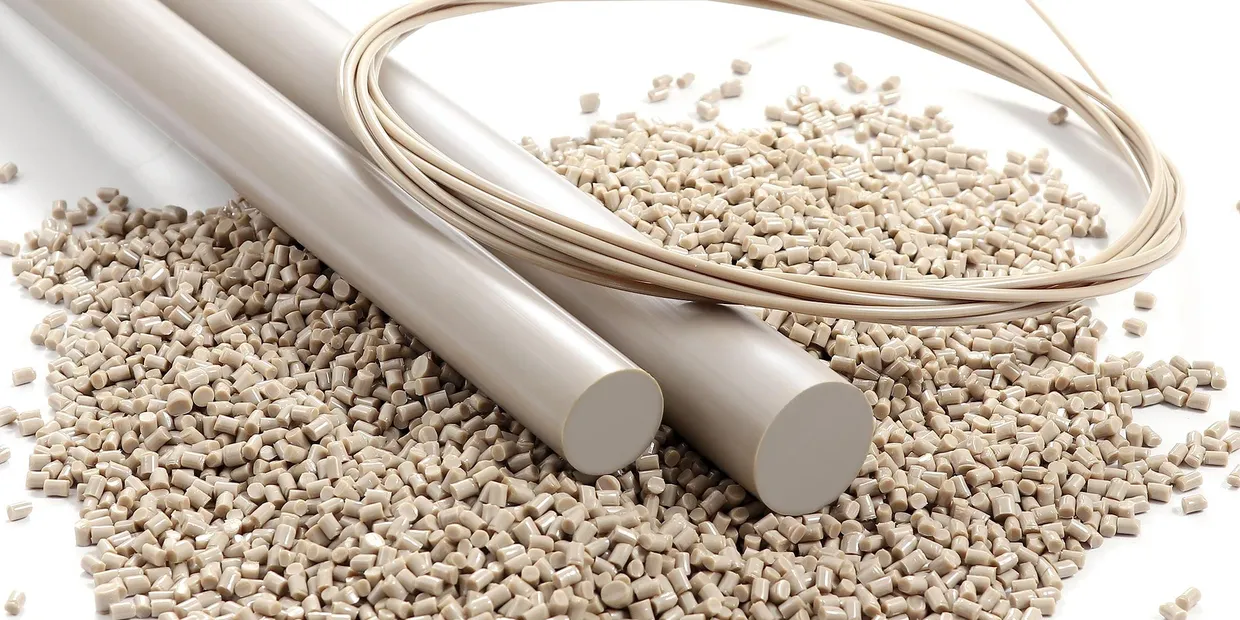
Polyphenylene sulfide (PPS) is a high-performance engineering thermoplastic known for its exceptional heat and chemical resistance. It is a semi-crystalline polymer that offers a combination of high strength, stiffness, and dimensional stability, making it an ideal material for a wide range of applications. PPS plastic can withstand a maximum temperature of 218°C (424°F).
PPS is commonly used in industries such as automotive, electrical, and industrial, where its resistance to chemicals, solvents, and high temperatures is highly valued. It is often used in the manufacture of components for fuel systems, electrical connectors, and industrial equipment.
One of the main advantages of PPS is its ability to maintain its properties at high temperatures. In addition, PPS offers excellent fatigue resistance, making it a reliable choice for parts subjected to repeated stress.
3. Polyimide
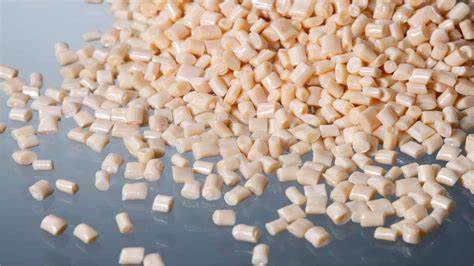
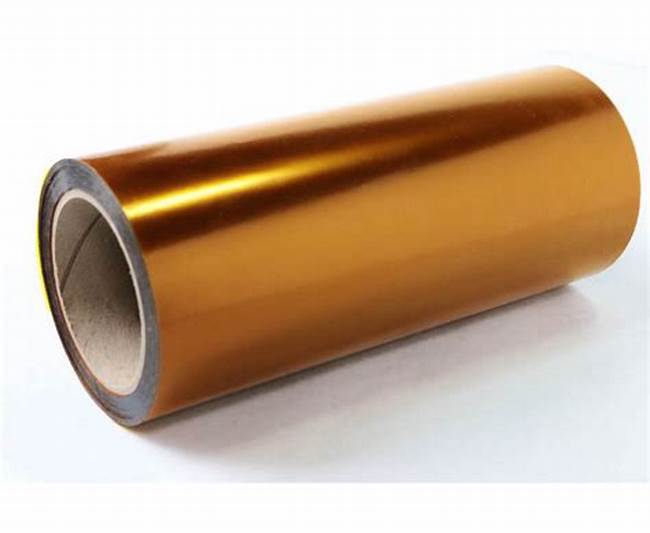
Polyimide is another heat-resistant plastic widely used in high-temperature applications. These materials can withstand temperatures up to 400°C (752°F) and are commonly used in the aerospace industry for thermal insulation, as well as in electronic and automotive applications. A typical Polyimide type is Katon plastic.
One of the main advantages of polyimide is its thermal stability, making it an ideal material for applications requiring high-temperature resistance. It also has good chemical resistance, making it suitable for use in corrosive environments.
Polyimide is often used in the manufacturing of flexible printed circuit boards, insulation for wires and cables, and as a coating for various electronic components. Its high strength and excellent dielectric properties make it a popular choice for these applications.
In addition to industrial applications, polyimide is also used in the production of high-performance films, adhesives, and coatings. Its versatility and durability make it a valuable material across many industries.
4. Liquid Crystal Polymer
Liquid Crystal Polymer (LCP) is a unique material that exhibits properties of both polymers and liquid crystals, also known for its heat resistance, LCP can withstand temperatures up to 300°C (572°F). LCP is commonly used in high-temperature electrical and electronic applications, as well as in automotive and industrial components.
5. Other Heat-Resistant Plastics
In addition to the specific heat-resistant plastics above, there are many other materials with varying degrees of heat resistance, such as:
- Polyetherimide (PEI) : can withstand temperatures up to 180°C (356°F).
- Polyphenylsulfone (PPSU) : can withstand temperatures of 180°C (356°F).
- Polytetrafluoroethylene (PTFE) : has an operating temperature range from -200°C to 260°C (-328°F to 500°F).
- Polyetherketone (PEK): has an operating temperature range from -180°C to 260°C (-300°F to 500°F).
II. Applications of Heat-Resistant Plastics
1. Aerospace Industry
The aerospace industry relies heavily on heat-resistant plastics for various aircraft and spacecraft components. These plastics are used in engine parts, interior panels, and structural components due to their lightweight properties and ability to withstand high temperatures during flight. Heat-resistant plastics also play a crucial role in insulating and protecting sensitive electronic equipment on board.
2. Automotive Industry
In the automotive industry, heat-resistant plastics are used in engine parts, under-the-hood applications, and interior components. These plastics can withstand the high temperatures generated by the engine and exhaust system, making them ideal for use in parts such as intake manifolds, radiator tanks, and fuel system components. Additionally, heat-resistant plastics are used in interior parts to endure the high temperatures that can accumulate inside a vehicle on hot days.

3. Electronics Industry
Heat-resistant plastics are essential in the electronics industry due to their ability to protect sensitive electronic components from heat and provide insulation. These plastics are used in the manufacturing of circuit boards, connectors, and casings for electronic devices. They also play a critical role in the production of electronic components for industrial and consumer electronics, where heat resistance is a key requirement.
4. Medical Industry
In the medical industry, heat-resistant plastics are used in various applications such as sterilization trays, surgical instruments, and medical device housings. These plastics can withstand the high temperatures and harsh chemical environments of sterilization processes, making them essential for ensuring the safety and effectiveness of medical equipment. Heat-resistant plastics also play a vital role in the development of medical devices that require high-temperature resistance during use.