Moisture exists in most materials, including plastics. If left untreated, moisture can cause problems during the production process as well as lead to several defects in the finished product. Plastic materials without moisture resistance can degrade over time, leading to reduced performance and potential failure. However, not all plastics have good water resistance. To address this issue, the most optimal solution is to use desiccant additives for plastic.
I. What are desiccant additives for plastic?
Desiccant additives in plastic materials are substances added to plastic during the manufacturing process to remove moisture, prevent moisture-induced defects during production, and enhance the waterproof properties of plastic products.
II. Classification of desiccant additives for plastic
A. Desiccants
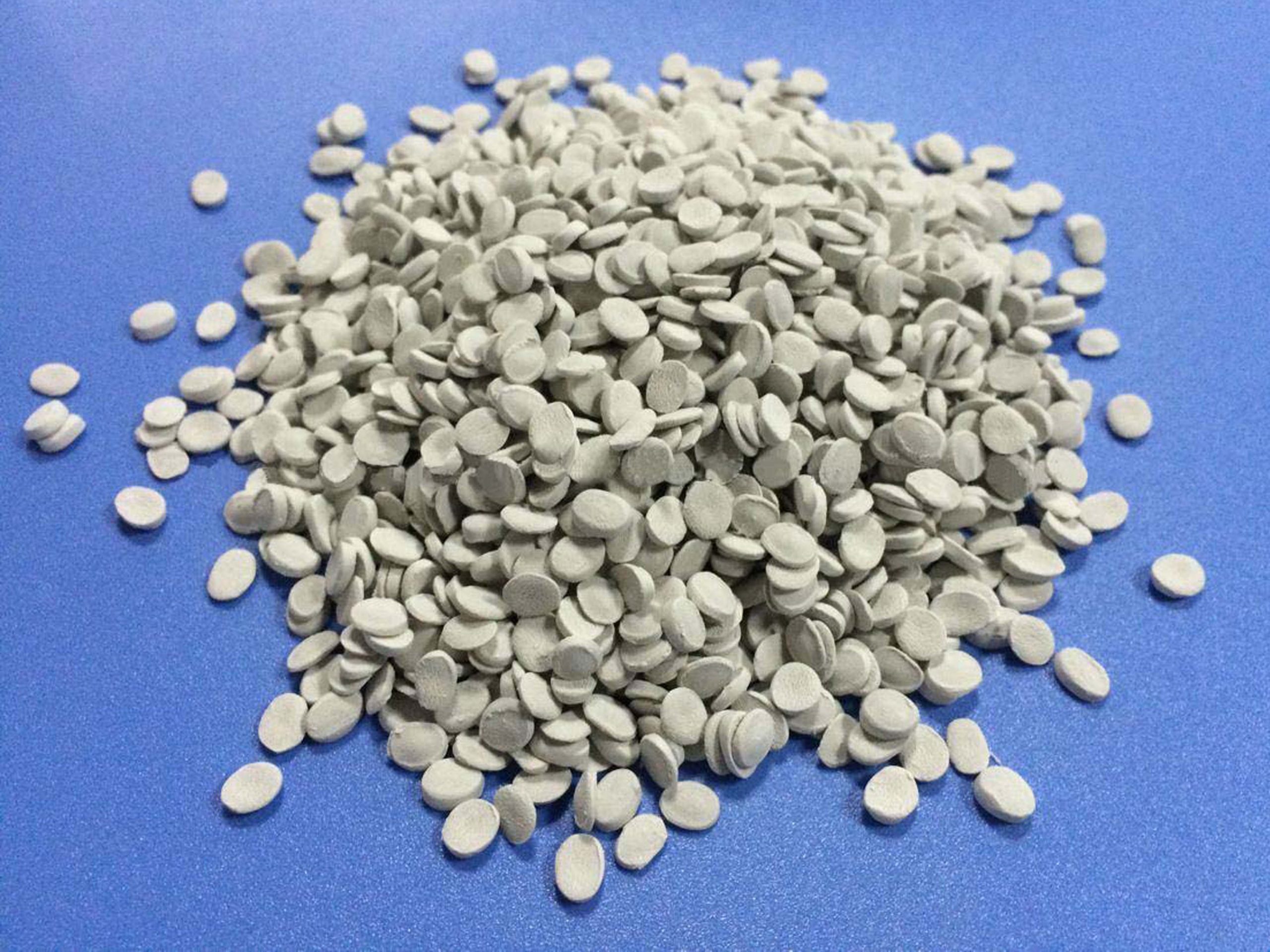
Desiccants are compounds that actively absorb and remove moisture from plastics. These substances can help prevent moisture accumulation inside the plastic. Examples of moisture removers include silica gel, calcium oxide, and molecular sieves.
These substances are often used to remove moisture from plastic raw materials, helping to prevent moisture-induced defects during production as well as preventing moisture-related surface imperfections on finished products such as bubbles and fisheyes.
B. Barrier Additives
Barrier additives create a protective barrier for plastic products, preventing moisture from penetrating the product. These barriers can be incorporated into the production formula or applied as a coating on the plastic surface. Examples of moisture barriers include metallic films, aluminum foil, and specialized coatings.
C. Hydrophobic Additives
These are additives that improve the hydrophobicity of plastics, making them more resistant to water absorption. These additives can help reduce the overall moisture absorption of plastics, minimizing the potential for degradation. Examples of hydrophobic additives include fluoropolymers, silicon-based compounds, and surface modifiers.
III. Benefits of using desiccant additives for plastic
A. Prevents defects in production
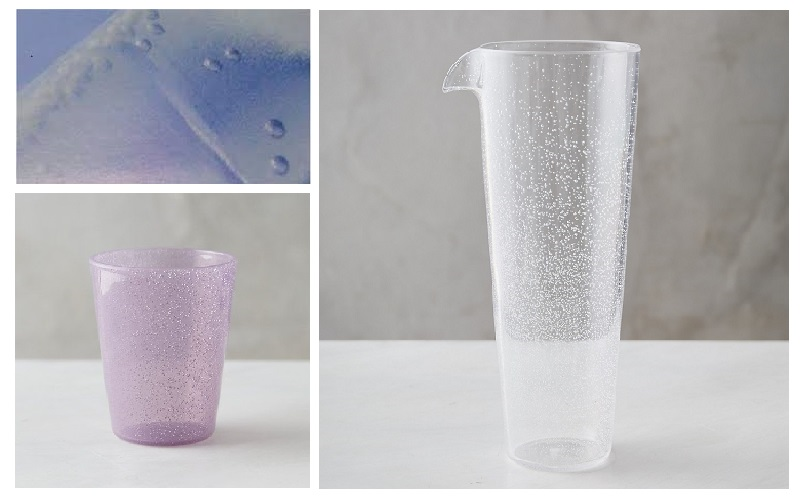
Using desiccant additives can remove moisture from raw materials, preventing phenomena such as fisheyes and bubbles on the surface of finished products; resolving moisture issues in extrusion and injection molding. Especially for recycled plastic, it helps remove moisture and eliminates the oxidation effect that occurs during plastic recycling.
B. Improves durability
By incorporating these additives into the plastic formulation, the material will have better resistance to the adverse effects of moisture, such as warping, cracking, and degradation. This ultimately helps extend the lifespan of plastic products.
C. Improves overall performance
Moisture-resistant additives can improve the overall performance of plastics in various environments. Whether it's an outdoor application exposed to rain and humidity or an indoor installation with fluctuating humidity, plastic products using these additives can maintain their structural integrity and appearance over time. This makes them an ideal solution for products requiring long-term durability and reliability.
D. Maintains aesthetic appeal
By preventing moisture damage, materials can maintain their original color, texture, and finish. This is particularly important for applications where the external appearance of the plastic is crucial, such as consumer goods and building materials.
IV. Applications of desiccant additives in the plastic industry
A. Packaging industry
In the packaging industry, desiccant additives are often used in the production of food packaging, pharmaceutical packaging, and other products that require protection from moisture. By incorporating these additives into packaging materials, manufacturers can ensure that their products remain intact and uncontaminated, even in humid environments.
B. Electronics industry
Similarly, in the electronics industry, desiccant additives are essential for protecting electronic components from moisture damage. These additives help prevent corrosion and degradation of components, ensuring the reliability and performance of electronic devices.
C. Construction industry
In the construction industry, desiccant additives are used in the production of plastic materials such as pipes, fittings, and insulation materials. These additives help protect materials from moisture damage, ensuring their structural integrity and longevity in various construction applications.
CPI Vietnam Plastic Co., Ltd is the largest direct manufacturer of Masterbatch plastic additives in Vietnam. Therefore, CPI Plastic is the top choice for factories that need stable output and quality, to meet the production and export demands of our customers.
(Refer to products here: Desiccant Masterbatch)