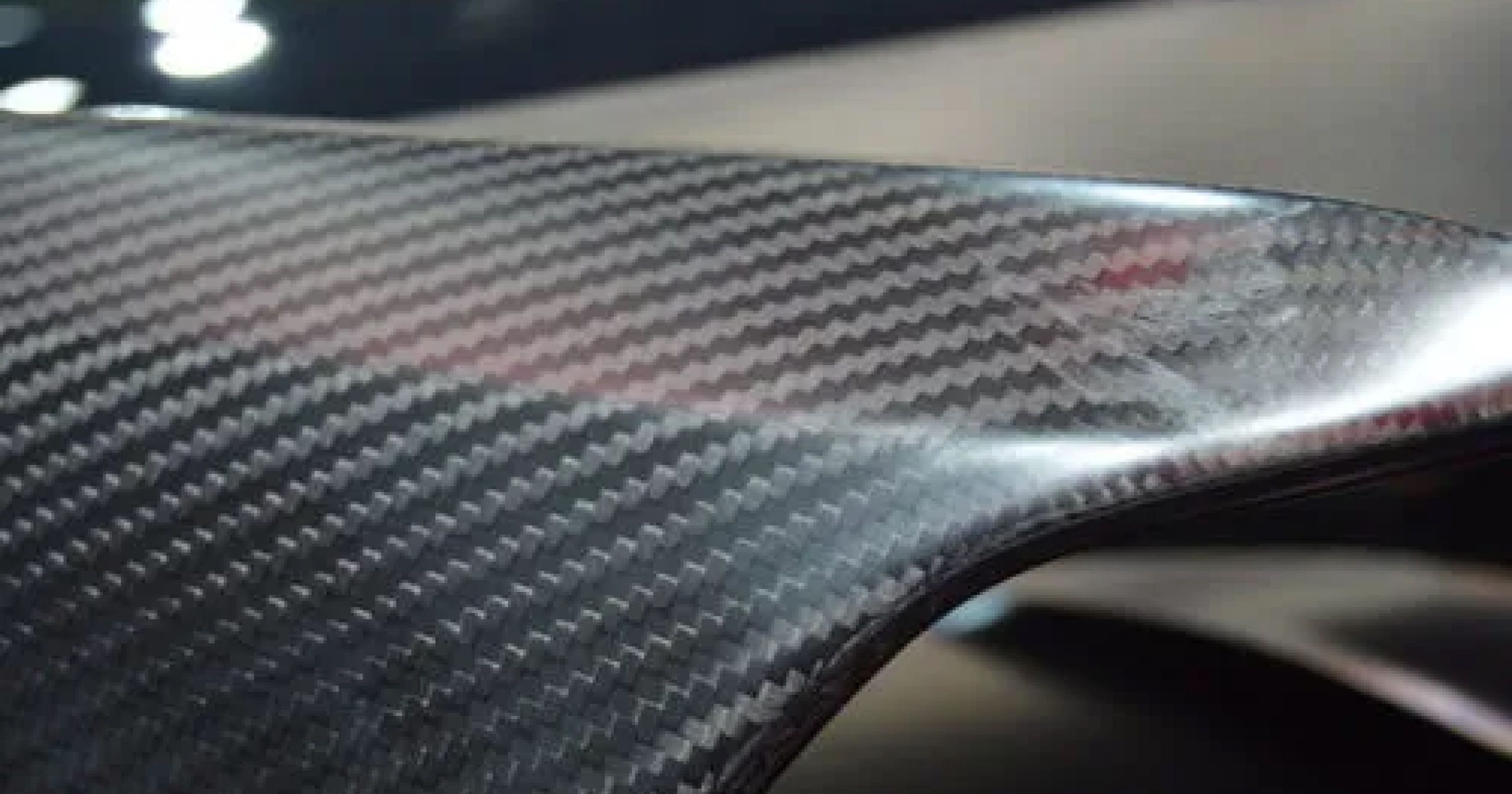
Composite plastic, a versatile and innovative material, has garnered significant attention across various industries. With its unique combination of strength, durability, and lightweight properties, composite plastic has revolutionized how we design and manufacture products. From aerospace to automotive, construction to consumer goods, the applications of composite plastic are vast and continually expanding. In this article, we will explore the characteristics and benefits associated with this remarkable material, shedding light on its immense potential in shaping the future of manufacturing.
I. What is Composite Plastic?
A. Concept
Composite plastic, also known as FRP (fiber-reinforced polymer), is a type of composite material made from a polymer matrix reinforced with fibers.
Composite materials are formed by combining different materials to create an overall structure with properties distinct from their individual components, thereby enhancing their overall performance.
B. Composition
Composite plastic consists of two main components: the matrix material and the reinforcing material.
- The matrix material acts as a binder, connecting the reinforcing materials to form a unified block. Matrix materials are typically thermosetting resins such as epoxy, vinyl ester, or polyester.
- The reinforcing material provides the composite with the necessary mechanical properties. Reinforcing materials are often fibers (glass fibers, carbon fibers, aramid, or basalt), or particles (metal particles, clay particles, wood powder, stone powder, etc.).

| Reinforcing Material | Matrix Material | Improved Properties |
| Glass Fiber | UP, EP, PA, PC, POM, PP, PBT, VE | Strength, elasticity, heat resistance |
| Wood Fiber | PE, PP, ABS, HDPE, PLA | Flexural strength, tensile modulus, tensile strength |
| Carbon and Aramid Fibers | EP, UP, VE, PA | Elasticity, tensile strength, compressive strength |
| Inorganic Particles | Semi-crystalline thermoplastics, UP | Shrinkage, abrasion, compressive strength |
II. Characteristics of Composite Plastic
So, what makes composite plastic so special? Let's delve into its key characteristics:
1. Incredible Durability
Composite plastic is incredibly strong and durable, making it an ideal choice for applications where traditional materials like wood or metal might fall short. It can withstand harsh pressures, impacts, and even extreme environmental conditions.
2. Lightweight
One of the standout characteristics of composite plastic is its weight. Lightweight means easier transportation, simpler installation in construction, and a more comfortable experience for consumers.
3. Versatility
Unlike traditional materials, composite plastic can be molded into almost any shape, allowing manufacturers to unleash their creativity with designs. This versatility opens up possibilities for applications across various industries, from automotive and aerospace to architecture and consumer goods.
4. Corrosion Resistance
Unlike metals, composite plastics have excellent corrosion resistance, making them a great choice for outdoor applications or any environment where materials are exposed to moisture or chemicals.
5. Thermal Insulation Properties
Composite plastic has excellent thermal insulation properties, making it a preferred material for applications in insulation, thermal barriers, and even electrical enclosures.
III. Applications of Composite Plastic in Industries
A. Aerospace
In 1903, the Wright brothers successfully tested the first airplane. Fast forward to today, and we've witnessed the aviation industry evolve into a global sector, transporting millions of passengers worldwide daily.
In the early days, manufacturers primarily used metals like aluminum and steel to construct aircraft. While strong, these materials were very heavy. As the aviation industry developed, the demand for lighter aircraft became increasingly important.
Composite plastic is a clever combination of reinforcing fibers, such as carbon or glass, integrated with a polymer matrix. This unique blend provides it with incredible strength and flexibility, making it a perfect alternative to traditional metals. But that's not all – composite plastic is significantly lighter, helping to reduce aircraft weight and save fuel, as well as lower carbon emissions into the environment.
The revolutionary Boeing 787 Dreamliner owes much of its success to composite plastic. This groundbreaking aircraft, introduced in 2011, features an airframe made of over 50% carbon fiber reinforced polymer composites. This marvel of engineering not only reduces the aircraft's weight but also increases fuel efficiency by 20%. (Wiki – Boeing 787 Dreamliner)
B. Automotive Industry
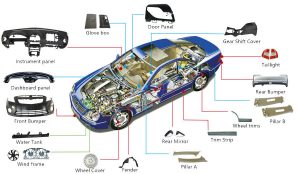
The use of composite plastics in manufacturing automotive components brings significant advancements in vehicle weight, cost, sustainability, and crash resistance. Vehicles become more flexible, fuel-efficient, and accelerate electrification. By using composites in vehicle production, we can significantly reduce the carbon footprint of the automotive industry. They minimize greenhouse gas emissions during the manufacturing process.
C. Construction
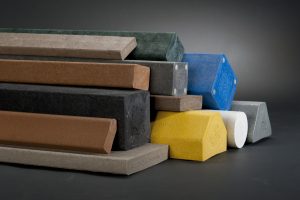
One of the most exciting aspects of composite plastic is its ability to be molded into any shape or size. This versatility empowers architects and designers to unleash their creativity, pushing the boundaries of what's possible in construction.
But the benefits of composite plastic extend far beyond aesthetics. Traditional building materials like concrete and steel have long been associated with high carbon emissions and environmental degradation. In contrast, composite plastic is often made from recycled materials, reducing waste and minimizing the burden on our planet. By choosing composite plastic, we can create structures that not only stand the test of time but also help us build a sustainable future.
But let's not forget about durability. Composite plastic has proven to be incredibly resilient, even in the face of extreme weather conditions and high stress. This durability translates into longer-lasting infrastructure, requiring fewer repairs and less maintenance, saving both time and money in the long run.
D. Consumer Goods
You can't help but be amazed by the innovation that composite plastic has brought to electronics. Today, sleek and durable composite plastic has become a staple in smartphone design, offering a perfect blend of form and function.
But composite plastic doesn't stop at electronics. It's also quietly transforming the furniture industry. Remember that ergonomically designed chair you bought? Its strong yet flexible structure was made possible by composite plastic.
Composite plastics are corrosion-resistant, making them ideal for outdoor products. From garden furniture that can withstand the elements to sports equipment that can endure impacts, these innovative materials ensure that your belongings last longer and perform better.
Composite plastic not only contributes to sustainability but also offers exciting design possibilities. Manufacturers can customize products with complex shapes and vibrant colors, providing consumers with more choices.
IV. The Future of Composite Plastic
Composite plastic is poised to play a crucial role in emerging industries, including healthcare and renewable energy. With its unique properties and versatility, composite plastic offers immense potential for innovation and advancement in these fields and beyond. In healthcare, composite plastic materials can be used to develop advanced medical devices and implants, improving patient outcomes and care. Additionally, composite plastic holds promise in renewable energy applications, such as manufacturing lightweight and durable components for wind turbines and solar panels. As technology continues to evolve, the future of composite plastic looks incredibly promising with endless possibilities for use across various industries.