Blowing Agent for Plastic is an indispensable additive in the production process of various plastic foams. Let's explore how blowing agents work and their functions in this article.
I. How Plastic Blowing Agents Work
Blowing agents are added to plastic materials to create a cellular structure within the material. When the plastic is heated, the blowing agent releases gas, forming bubbles inside the plastic. These bubbles help reduce the material's density, creating a foamed structure.
II. Common Types of Plastic Blowing Agents
A. Chemical Blowing Agents
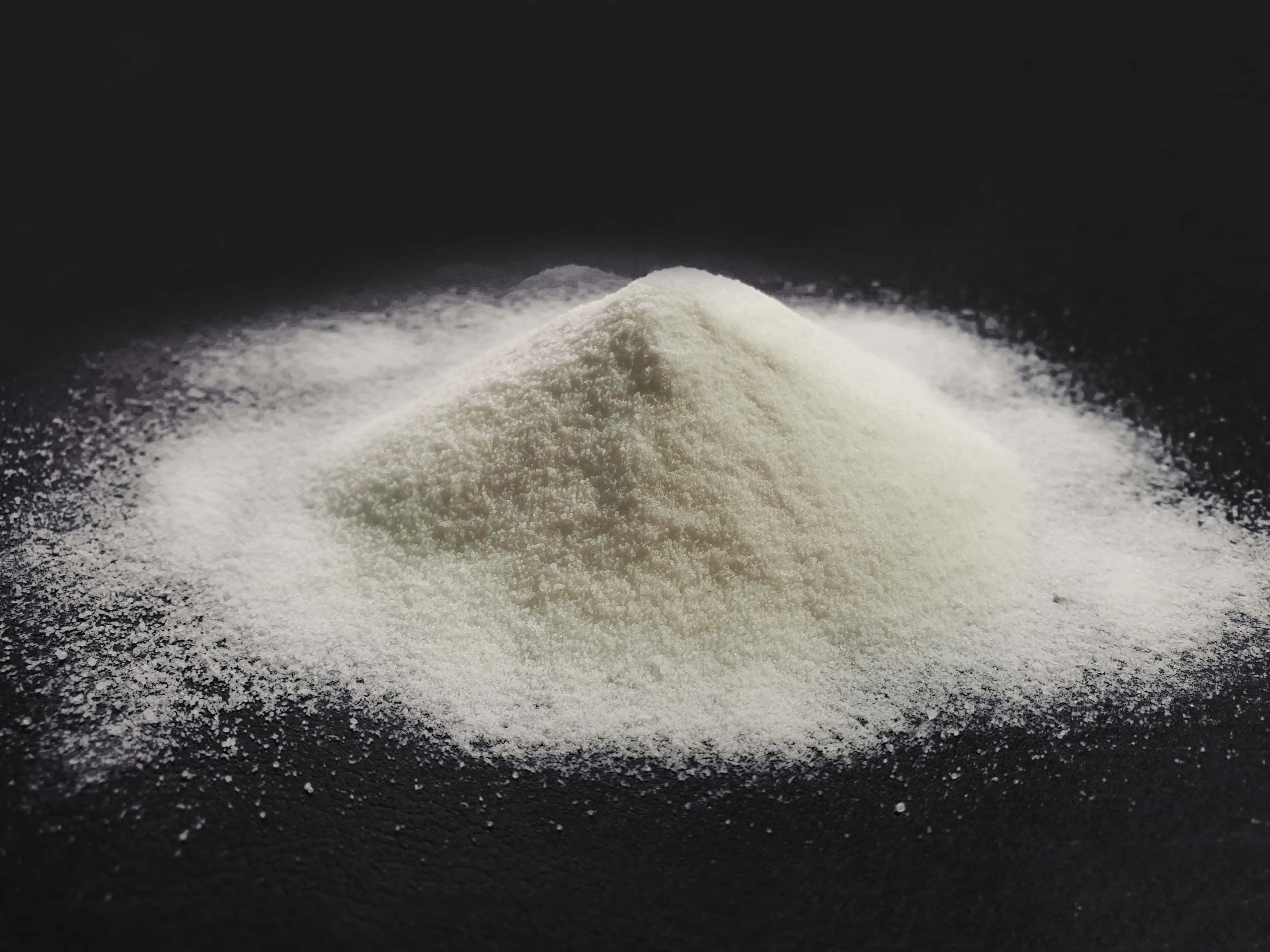
Chemical blowing agents are the most commonly used type of blowing agent in plastic production, often in powder form. They are typically added to the plastic during the mixing or extrusion stage and decompose upon exposure to heat, releasing gas into the plastic. The gas then expands and creates air pockets in the plastic, forming a foamed product. Some commonly used chemical blowing agents include azodicarbonamide (AC), sodium bicarbonate (NC), and citric acid.
B. Physical Blowing Agents
Physical blowing agents are substances added to plastic in liquid form that evaporate upon exposure to heat. The evaporation of the liquid creates gas bubbles within the plastic, forming a foamed product. Physical blowing agents are often used to produce high-density foams and include substances such as hydrocarbons, fluorocarbons, and hydrofluorocarbons.
C. Water-Based Blowing Agents
Water-based blowing agents are substances added to plastic as a solution, which decompose upon exposure to heat, releasing water vapor into the plastic. The water vapor then expands and creates air pockets in the plastic, forming a foamed product. Water-based blowing agents are commonly used in the production of low-density foams and include substances such as sodium bicarbonate and citric acid.
III. Other Effects of Plastic Blowing Agents
A. Reducing Product Weight
Blowing agents help reduce the density of plastic, making it lighter and more cost-effective to produce. This is especially important in industries such as automotive and aerospace, where lightweight materials are crucial for performance and fuel efficiency.
B. Improving Thermal and Sound Insulation
Blowing agents also improve the thermal and acoustic insulation properties of plastic, making it an ideal material for applications such as insulation and soundproofing in homes. Additionally, the cellular structure created by blowing agents can enhance the mechanical properties of plastic, making it more durable and impact-resistant.
C. Enhancing Aesthetics
Furthermore, blowing agents can also improve the aesthetics of plastic in certain special applications, such as decorative items and interiors.
CPI Vietnam Plastic Co., Ltd. is a direct manufacturer of the largest Masterbatch plastic additive products in Vietnam. Therefore, CPI Plastic is the top choice for manufacturing plants that require stability in both output and quality, to meet the production and export needs of our valued customers.
(Refer to products here: NC Blowing Agent)