
Plastic has become an essential material in the construction industry due to its versatility, durability, and cost-effectiveness. In this article, we will explore the common types of plastics used in construction, the advantages of using plastic materials, their applications in construction projects, and the future trends in the industry.
I. Types of Plastics Used in the Construction Industry
A. Polyvinyl Chloride (PVC)
PVC is a widely used plastic material in the construction industry due to its superior properties such as chemical resistance, fire resistance, and impact resistance. PVC is commonly used in the construction of pipes, windows, doors, and roofing materials. Its flexibility and cost-effectiveness make it a popular choice for many construction applications.
B. High-Density Polyethylene (HDPE)
HDPE is known for its high strength-to-density ratio, flexibility, durability, and moisture resistance, making it ideal for construction applications requiring toughness. HDPE is used in the construction of pipes, insulation materials, and waterproofing membranes. Its lightweight nature and ease of installation make it a popular choice for many construction projects.
C. Polypropylene (PP)
Polypropylene is a plastic material known for its heat resistance, chemical resistance, and high durability. It is often used in the construction of pipes, tanks, and roofing materials. PP is also recyclable, making it an environmentally friendly choice for construction projects.
D. Polystyrene (PS)
Polystyrene is a lightweight and rigid plastic material. It is known for its excellent thermal insulation properties and moisture resistance. PS is commonly used in construction for insulation panels, roofing materials, and decorative elements.
II. Advantages of Using Plastics in the Construction Industry
- Lightweight: Plastic materials are lightweight, making them easy to transport, handle, and install.
- Durability: Plastic materials are resistant to corrosion, chemicals, and weather, ensuring long-lasting performance.
- Cost-effectiveness: Plastic materials are often cheaper than traditional building materials, helping to reduce the overall cost of a project.
- Versatility: Plastic materials can be molded into various shapes and sizes, allowing for customized designs in construction projects.
- Easy Installation: Plastic materials are easy to work with, requiring minimal maintenance and repairs.
III. Applications of Plastics in the Construction Industry
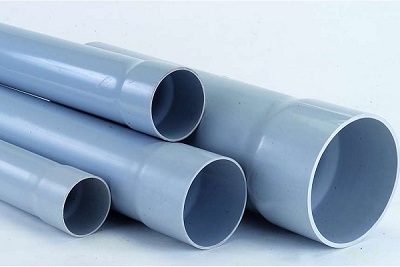
A. Pipes and Fittings
Plastic pipes are widely used in water supply and drainage systems due to their corrosion resistance and long lifespan. Plastic fittings provide secure and leak-proof connections between pipes in construction structures.
B. Insulation Materials
Plastic insulation materials such as foam boards and reflective foils are used for thermal and acoustic insulation in buildings. Plastic insulation helps improve energy efficiency and reduce noise pollution in construction projects.
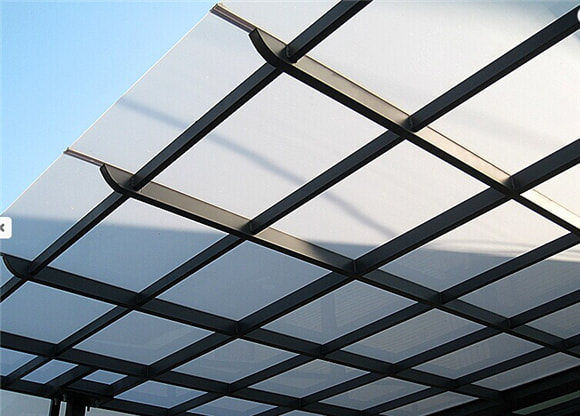
C. Roofing Materials
Plastic tiles and panels are used for roofing due to their lightweight, durability, and weather resistance. Plastic roofing materials are a sustainable and cost-effective alternative to traditional roofing materials.
D. Windows and Doors
Plastic frames and panels are commonly used in windows and doors for their durability, strength, and insulation properties. Plastic windows and doors offer benefits in energy efficiency and enhance the overall aesthetic of a building.
IV. Future Trends in Plastic Use in the Construction Industry
A. Development of New Plastic Materials
Ongoing research and development in plastics are leading to the creation of new materials with enhanced properties for construction applications. Companies are investing in R&D to develop plastics that are biodegradable, recyclable, and made from renewable resources. These new materials not only reduce the environmental impact of construction projects but also help meet the growing demand for sustainable building practices.
B. Integration of Technology into Plastic Products
Advancements in technology, such as 3D printing and smart materials, are revolutionizing how plastics are used in construction. For example, 3D printing allows for rapid prototyping of complex shapes and structures, while smart materials can respond to environmental changes, such as temperature and humidity. These technological innovations are making construction projects more efficient, cost-effective, and sustainable.
C. Sustainable Use of Plastics
The future of plastics in construction will focus on sustainable practices such as recycling, reuse, and minimizing plastic waste to reduce environmental impact. Companies are adopting circular economy principles, such as recycling and reusing plastic waste, to lessen their environmental footprint. By incorporating sustainable practices into their operations, construction companies can not only reduce waste and cut costs but also enhance their reputation as environmentally responsible businesses.
VIII. Conclusion
In conclusion, plastics play a crucial role in the construction industry, offering numerous benefits such as durability, versatility, and cost-effectiveness. The use of plastic materials in construction projects has proven successful in various applications, from pipes and insulation materials to roofing and windows. As the industry continues to evolve, it is essential to consider the environmental impact of plastic use and adopt sustainable practices to ensure a greener future for construction projects. By embracing new technologies and materials, the construction industry can continue to innovate and enhance the efficiency and sustainability of building projects.