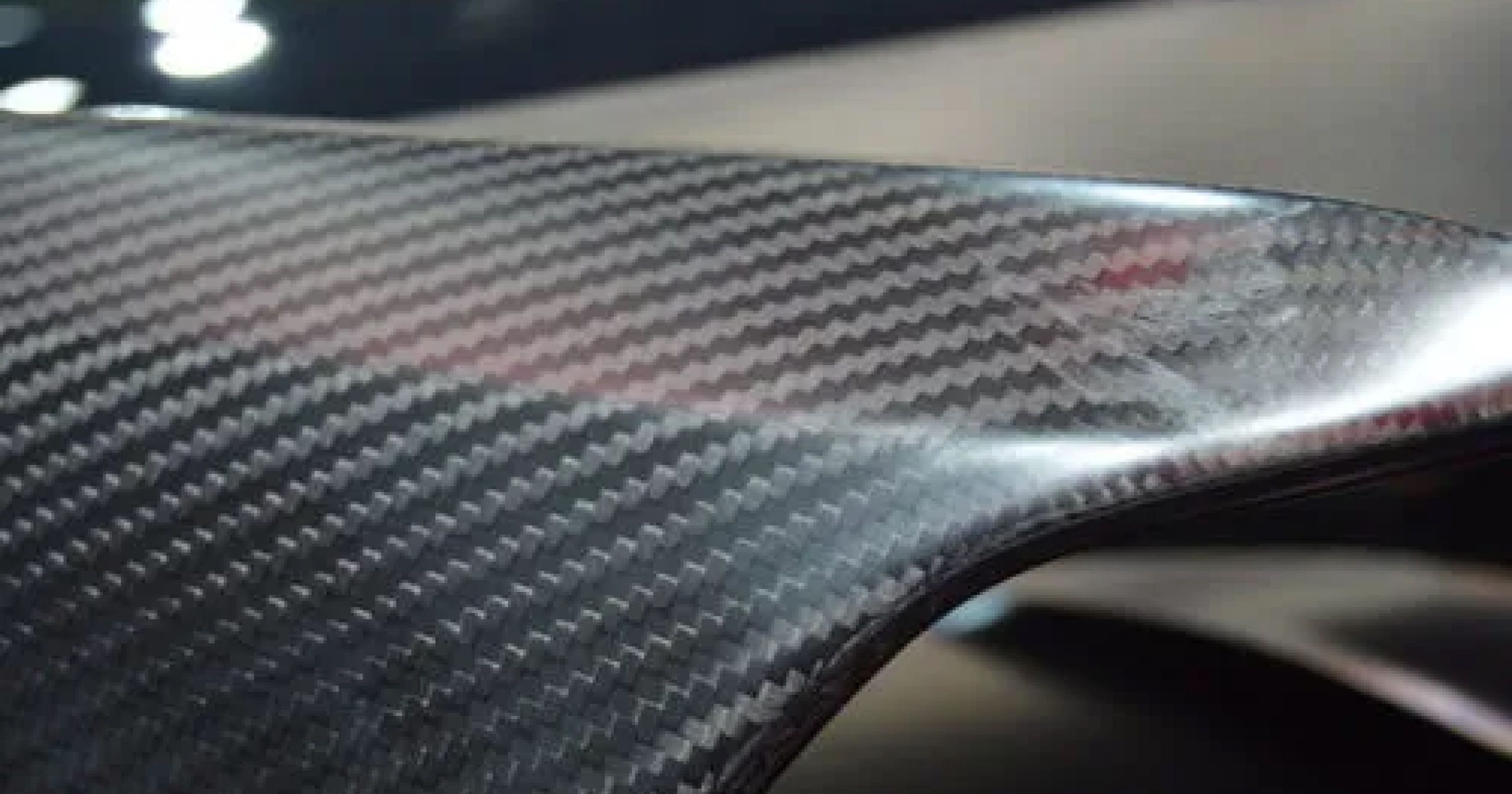
With the development of electronic devices and machinery serving and supporting humans in production and daily life today, electrostatic discharge (ESD) management has become an important consideration. Static electricity, if not controlled, can cause significant challenges, from product contamination to safety hazards. To address these concerns, the development and implementation of anti-static standards have become essential for the industry. This article will delve into the importance of anti-static standards, the science behind static electricity in plastics, and key regulations and technologies that help mitigate the effects of static electricity.
I. Introduction
A. Importance of Anti-Static Standards for Plastics
Plastics are ubiquitous in modern life, finding applications across numerous industries, from consumer electronics to medical devices. However, the inherent insulating properties of many plastic materials can lead to the accumulation of static electricity, which can cause adverse effects. Anti-static standards provide a framework for manufacturers to ensure their plastic products meet the necessary requirements for controlling static charges, enhancing product quality, safety, and performance.
B. Purpose and Benefits of Anti-Static Standards
Anti-static standards serve to define acceptable levels of static electricity generation and dissipation in plastic materials. By establishing these guidelines, manufacturers can optimize their production processes, minimize the risk of electrostatic discharge, and ensure the safe handling and transportation of their products. Compliance with anti-static standards also facilitates the integration of plastics into sensitive environments, such as electronics manufacturing and hazardous areas, where static electricity poses a significant threat.
C. Impact of Static Electricity on Plastic Materials
Static electricity can have a profound impact on the performance and integrity of plastic materials. The accumulation of static charges can lead to the attraction and accumulation of dust and contaminants, compromising product quality and aesthetics. Additionally, electrostatic discharge can damage electronic components, pose ignition risks in flammable environments, and even affect the flow of powders and granules during production and processing.
II. Understanding Static Electricity in Plastics
A. Causes of Static Electricity Generation in Plastics
- Triboelectric Effect: The triboelectric effect, also known as contact electrification, occurs when two materials rub against each other, leading to the transfer of electrons and the generation of static charges.
- Induction: Induction is a process where an external electric field can cause the separation of charges within a material, leading to the accumulation of static electricity.
- Conduction: Conduction is the movement of charges within a material, which can contribute to static electricity buildup if the material does not have sufficient conductivity.

B. Factors Affecting Static Electricity Accumulation
- Material Composition: The chemical structure and physical properties of plastic materials, such as the presence of polar groups or the degree of crystallinity, can influence their tendency to generate static charges.
- Surface Characteristics: Surface roughness, texture, and any coatings or treatments applied to plastics can affect their ability to accumulate or dissipate static charges.
- Environmental Conditions: Factors such as temperature, humidity, and airflow can impact the generation and dissipation of static electricity in plastic materials.
III. Anti-Static Standards and Regulations
To address the challenges posed by static electricity in plastics, various international standardization organizations have developed comprehensive guidelines and regulations.
A. International Standardization Organizations
- International Organization for Standardization (ISO): ISO is a renowned global standards body that has established several standards related to the measurement and control of static electricity in plastics.
- American Society for Testing and Materials (ASTM): ASTM is a leading standards development organization that has published test methods for evaluating the electrical properties of insulating materials, including plastics.
- European Committee for Electrotechnical Standardization (CENELEC): CENELEC is a European standardization body that has developed standards for the measurement and management of static electricity, particularly in the context of hazardous environments.
B. Key Anti-Static Standards for Plastics
- ISO 6356: “Electrical properties – Static electricity – Measurement of charge decay time”
- ASTM D257: “Standard Test Methods for DC Resistance or Conductance of Insulating Materials”
- EN 61340-2-3: “Electrostatics – Part 2-3: Methods of test for determining the resistance and resistivity of solid planar materials used to avoid electrostatic charge accumulation”
C. Regulatory Requirements and Guidelines
Compliance with anti-static standards is often mandated or strongly recommended in specific industries where static electricity poses significant risks:
- Electronics and Semiconductor Manufacturing: Strict static control measures are crucial to prevent damage to sensitive electronic components during production and assembly.
- Pharmaceutical and Medical Device Manufacturing: Anti-static requirements help maintain product purity and safety in these highly regulated industries.
- Hazardous Environments (e.g., Explosive Atmospheres): Static electricity control is vital in environments where there is a risk of explosion.
IV. Anti-Static Additive Technologies
To help plastic manufacturers achieve compliance with anti-static standards, various additive technologies have been developed to enhance the static charge dissipation properties of plastic materials.
A. Types of Anti-Static Additives
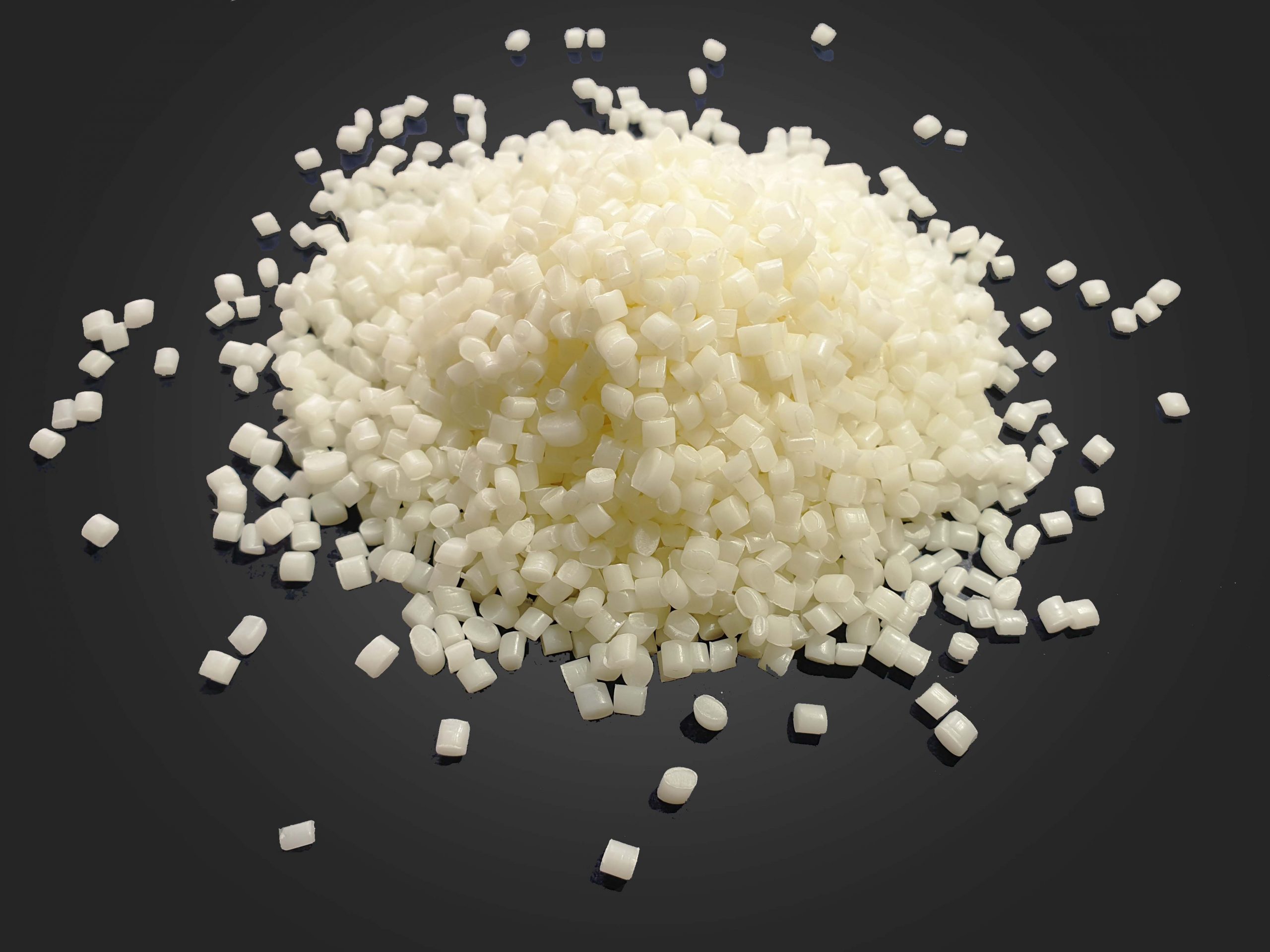
- Conductive Fillers: These include materials such as carbon black, metallic particles, and conductive fibers, which can increase the overall conductivity of plastics.
- Ionic Additives: Quaternary ammonium compounds, alkyl sulfonates, and other ionic species can improve the surface conductivity of plastics.
- Polymeric Anti-Static Additives: Certain polymeric materials, such as polyethylene glycol and polyvinyl alcohol, can be incorporated into plastics to promote charge dissipation.
B. Mechanisms of Anti-Static Action
- Increased Surface Conductivity: Anti-static additives can enhance the electrical conductivity of the plastic surface, allowing static charges to dissipate more readily.
- Promotion of Charge Dissipation: Some additives facilitate the controlled movement and discharge of static electricity, preventing its accumulation.
- Reduction of Charge Generation: Certain anti-static additives can minimize the triboelectric effect, limiting the overall charge generation in plastic materials.
C. Considerations for Selecting Anti-Static Additives
- Compatibility with Plastic Matrix: Anti-static additives must be compatible with the base plastic material to ensure effective integration and performance.
- Efficacy in Diverse Environmental Conditions: The chosen anti-static solution should be capable of maintaining its effectiveness across a range of temperatures, humidities, and other environmental factors.
- Potential Impact on Other Material Properties: The incorporation of anti-static additives should be carefully evaluated to ensure they do not adversely affect the mechanical, thermal, or aesthetic properties of the plastic.
V. Testing and Evaluation of Anti-Static Properties
To ensure compliance with anti-static standards and validate the effectiveness of anti-static solutions, various testing methods and evaluation procedures have been developed.
A. Standard Test Methods for Measuring Anti-Static Performance
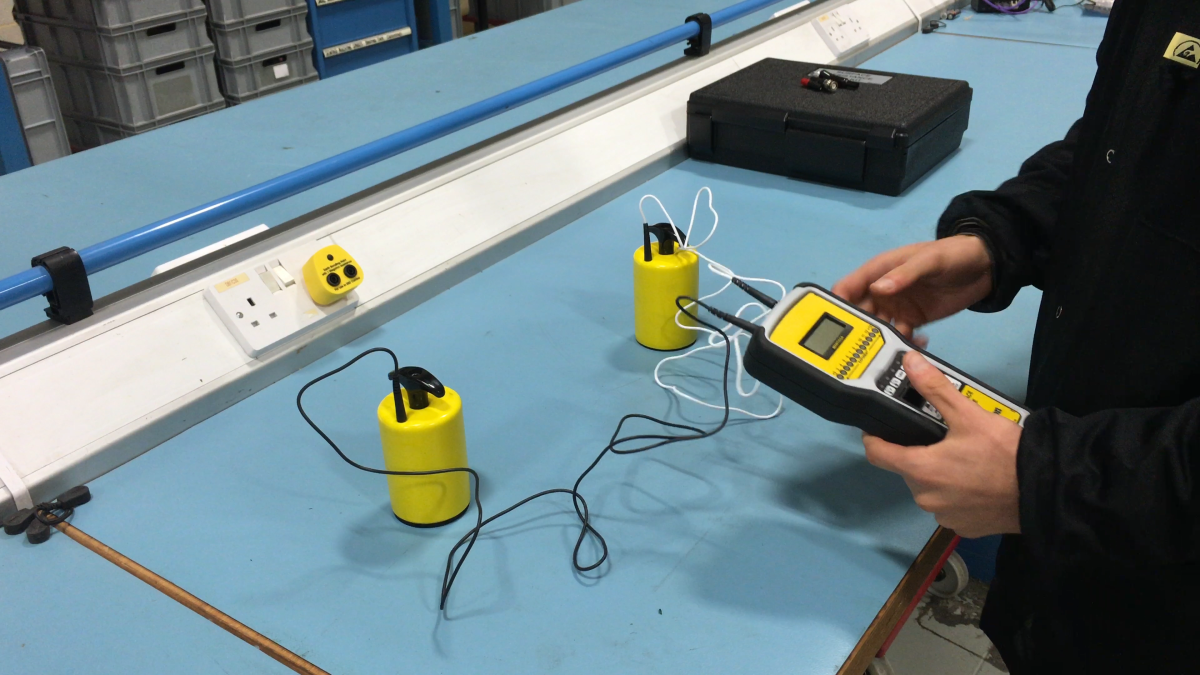
- Surface Resistance: Measurements of the electrical resistance of the plastic surface provide insight into its ability to dissipate static charges.
- Charge Decay Time: The rate at which electrostatic charges dissipate, measured using specific test methods, is a key indicator of anti-static performance.
- Static Field Measurement: Quantifying the static electric field generated by plastic materials can help assess their tendency to accumulate static charges.
B. Factors Affecting Test Results
- Sample Preparation and Conditioning: Proper sample preparation and environmental conditioning are crucial to ensure the reliability and reproducibility of test results.
- Environmental Factors: Temperature, humidity, and other environmental variables can significantly impact the measured anti-static properties of plastics.
- Measurement Techniques and Equipment Calibration: Careful measurement techniques and equipment calibration are essential for accurate and consistent evaluation.
C. Interpretation of Test Results and Compliance with Standards
The interpretation of test results, within the context of applicable anti-static standards, is critical for determining the suitability of plastic materials for their intended use. Manufacturers must carefully analyze test data and ensure that their products meet regulatory requirements for static charge control and dissipation.
VII. Conclusion
In the dynamic world of plastic manufacturing, static electricity management has become a critical consideration. Anti-static standards provide a comprehensive framework to ensure the safe and effective use of plastics, protecting both products and people from the detrimental effects of static electricity. By understanding the science behind static charge generation, leveraging the latest anti-static additive technologies, and adhering to rigorous testing and evaluation procedures, plastic manufacturers can achieve compliance, enhance product quality, and mitigate the risks associated with static electricity. As the industry continues to evolve, staying informed and adapting to the latest developments in anti-static standards will be essential for maintaining a competitive edge and delivering high-performance, safe, and reliable plastic products.