Understanding different types of plastics is crucial in daily life. Different plastics have distinct characteristics and recyclability, which helps in making informed decisions about the products we use and their environmental impact. Additionally, understanding plastic types can also help avoid potential health hazards. In this article, we will explore the 8 most common types of plastics used in manufacturing and everyday life.
I. PET Plastic (Polyethylene Terephthalate)
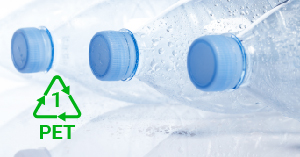
Polyethylene Terephthalate, also known as PET or PETE, is a widely used plastic in the production of beverage bottles, food packaging, and clothing fibers.
PET is a versatile material that is lightweight, durable, and resistant to moisture and chemicals. It is also easily recyclable, making it an environmentally friendly choice for packaging and other products.
II. HDPE Plastic (High Density Polyethylene)
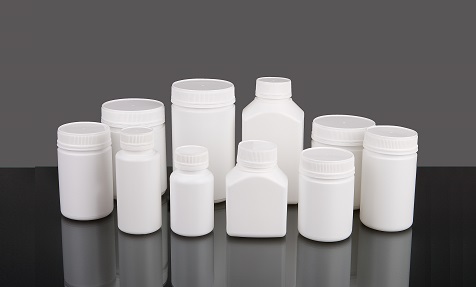
High-Density Polyethylene (HDPE) is a rigid plastic used to produce various plastic containers. HDPE is commonly used for bottles containing cleaning products, cosmetics, and personal care items; it is also used to make milk jugs, drums, and plastic pails. The rigid nature of HDPE plastic makes it ideal for wear-resistant plastic products.
HDPE is also used in the production of products requiring resistance to high temperatures and harsh environments, or for use in the construction industry for pipes, fittings, and geomembranes.
III. PVC Plastic (Polyvinyl Chloride)
Polyvinyl Chloride is a versatile and widely used plastic material. It is a thermoplastic polymer produced through the polymerization of vinyl chloride monomers.
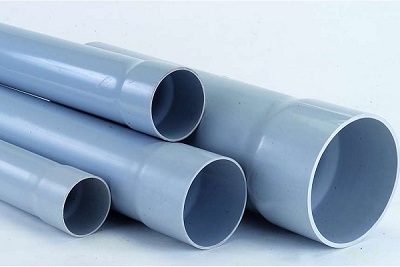
PVC plastic is commonly used for both rigid and flexible plastic products, such as pipes, vinyl flooring, and window frames.
One of the main advantages of PVC is its cost-effectiveness. It is an affordable material that offers long-term performance, making it a preferred choice for many industries.
However, it is important to note that the production and disposal of PVC can have health and environmental impacts. PVC can release toxic chemicals when burned.
IV. LDPE Plastic (Low Density Polyethylene)
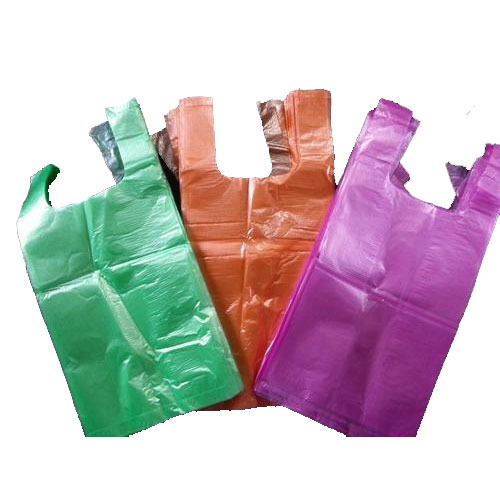
Low-Density Polyethylene (LDPE) is one of the branches of PE plastic. LDPE is a type of soft plastic, commonly used for manufacturing plastic bags, candy wrappers, and cosmetic containers. LDPE is resistant to moisture and chemicals, making it suitable for packaging applications.
LDPE is created through a polymerization process where ethylene molecules link together to form long chains. This results in a material that is lightweight and has low tensile strength but is highly flexible and resistant to impact.
LDPE is easily recyclable, making it a more sustainable option than other plastics. It can be melted down and transformed into new products, reducing the amount of waste sent to landfills.
In addition to its use in packaging and containers, LDPE is also used in the production of plastic pipes and plastic films. Its flexibility and cost-effectiveness make it a popular choice for manufacturers across various industries.
V. Polypropylene (PP)
Polypropylene is a versatile and widely used plastic. It is a thermoplastic polymer used in various applications, from packaging and textiles to automotive components and medical devices.
One of the key characteristics of polypropylene is its high melting point, making it suitable for use in products that require high-temperature resistance. It is also known for its excellent chemical resistance, making it ideal for use in harsh environments.
In addition to its physical properties, polypropylene is also known for its recyclability. It can be easily recycled and reused, making it an environmentally friendly option for many products.
VI. Polystyrene (PS)
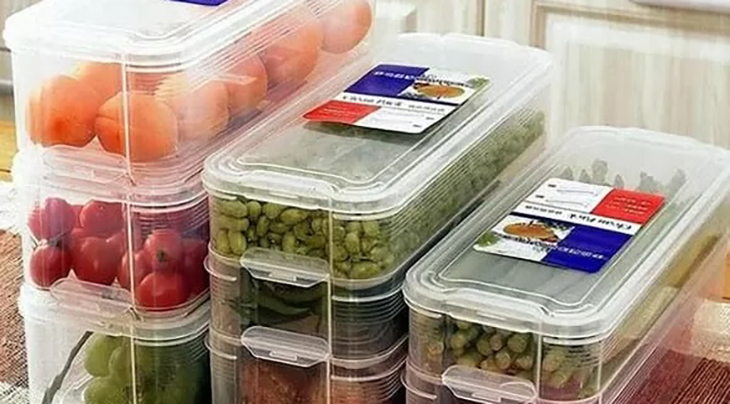
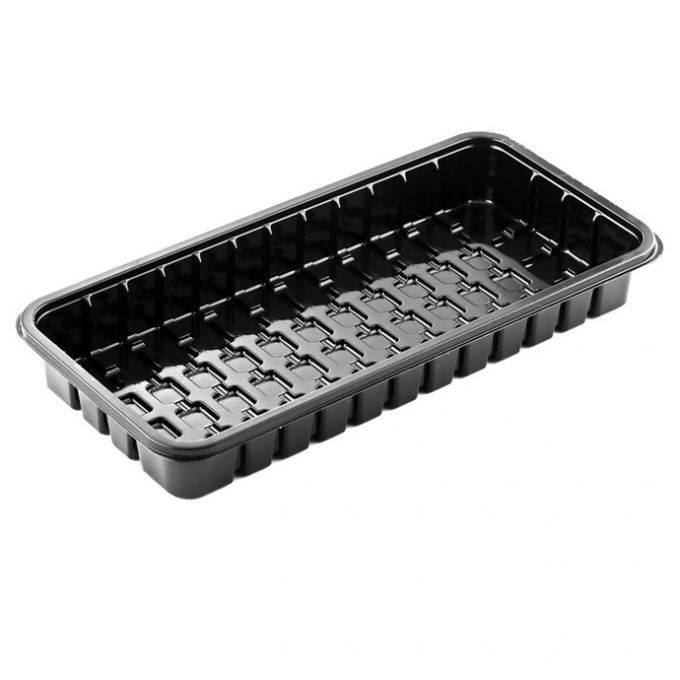
Polystyrene is a synthetic polymer widely used in many applications. It is a thermoplastic material that can be easily melted and molded into various shapes, making it a popular choice for packaging materials, disposable cups and plates, insulation materials, and more.
One of the main advantages of polystyrene is its low cost and versatility. It is lightweight, durable, and can be produced in various colors and finishes. It is also a good electrical insulator, ideal for use in construction and thermal and sound insulation in homes.
Polystyrene has the disadvantage of low strength, being relatively brittle and easily broken, and highly flammable. Additionally, since it is largely used for single-use items, PS plastic accounts for a significant portion of plastic waste released into the environment.
VII. ABS Plastic (Acrylonitrile Butadiene Styrene)
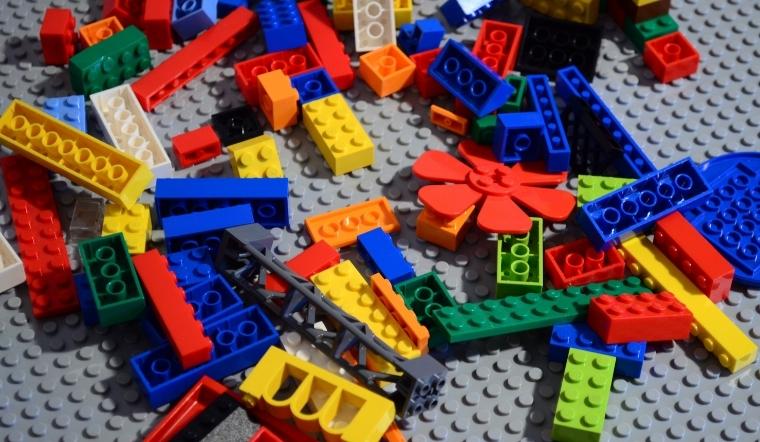
Acrylonitrile Butadiene Styrene (ABS) is a popular thermoplastic known for its high strength and good impact resistance. It is widely used in various industries, including automotive, electronics, children's toys, and consumer goods.
ABS is known for its impact resistance and toughness, making it an ideal material for products requiring high durability. It also has good heat and chemical resistance, making it suitable for a wide range of applications.
One of the main advantages of ABS is its ease of molding and shaping, allowing for the production of complex and intricate designs. It can also be easily machined, sanded, and painted, making it a versatile material in manufacturing.
VIII. PC Plastic (Polycarbonate)
Polycarbonate is a versatile material that is increasingly popular in various industries. It is a thermoplastic known for its strength, durability, and transparency.
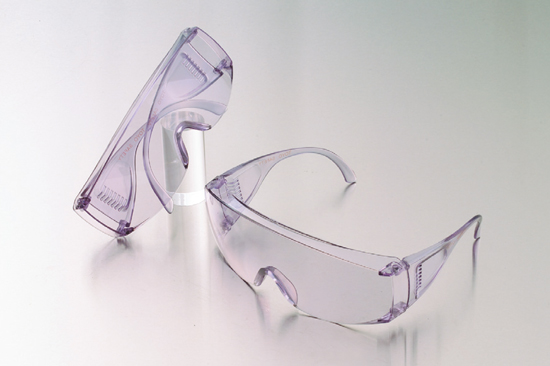
One of the main advantages of polycarbonate is its impact resistance. It is virtually unbreakable, making it an ideal material for applications requiring safety. It is commonly used in the production of safety glasses, bulletproof windows, and protective shields.
Polycarbonate also has good heat resistance and can withstand high temperatures without deforming or melting. This makes it a popular choice for electrical components and automotive parts.
In addition to its strength and durability, polycarbonate is also transparent, allowing for maximum light transmission. This makes it a popular material for skylights, greenhouse panels, and even eyewear.