Plastics are versatile materials used in a wide range of products, from packaging to construction materials. However, for plastic products to achieve specific functions or unique properties, various additives are essential. There are many types of additives used in the plastics industry. In this article, let's explore the 8 most common plastic additives.
I. What are Plastic Additives?
Plastic additives are substances added to plastic materials to enhance or modify their properties during processing. These additives can be classified into various types, including stabilizers, plasticizers, flame retardants, etc. Overall, plastic additives help manufacturers produce plastic products with diverse properties and applications.
II. Common Plastic Additives
1. UV Stabilizers
UV stabilizers, also known as ultraviolet stabilizers, are additives used in plastic materials to protect plastic products from the damaging effects of ultraviolet (UV) radiation. UV radiation from the sun can degrade plastics, leading to discoloration, brittleness, and loss of mechanical properties. This is a major concern for outdoor applications such as automotive, construction, and agriculture.
There are two main types of UV stabilizers used in plastics: UV absorbers and hindered amine light stabilizers (HALS). UV absorbers work by absorbing UV radiation and converting it into harmless heat, while HALS work by scavenging free radicals formed during UV degradation.
2. Antistatic Additives
Antistatic additives for plastics are chemical compounds added to plastic materials to reduce or eliminate the build-up of static electricity. Static electricity can cause several problems in plastic products, including the ability to attract dust and dirt, processing difficulties that hinder production, and potential hazards in flammable or explosive environments.
Antistatic agents work by increasing the electrical conductivity of the plastic, allowing any static charge to dissipate more easily. These additives are commonly used in various plastic applications, including packaging, electronics, and automotive components.
Overall, antistatic additives play a crucial role in improving the performance and safety of plastic products across different industries.
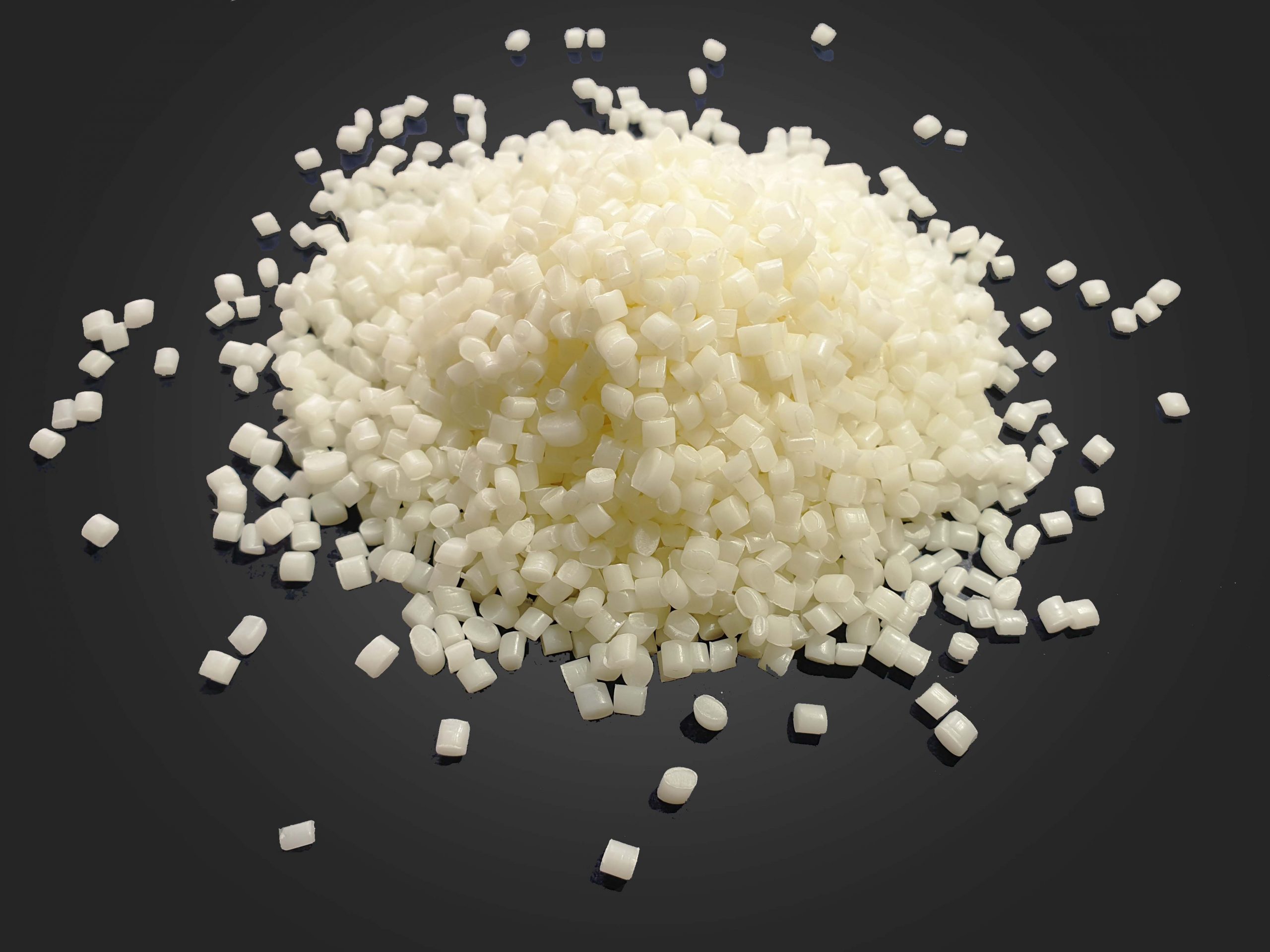
3. Desiccant Additives
Moisture is a common problem in plastic manufacturing, as it can lead to defects and damage to the final product. To address this issue, desiccant additives, also known as moisture-absorbing additives, are often incorporated into plastic materials during production. These additives help prevent moisture from affecting the quality of the plastic, ensuring the final product meets required standards.
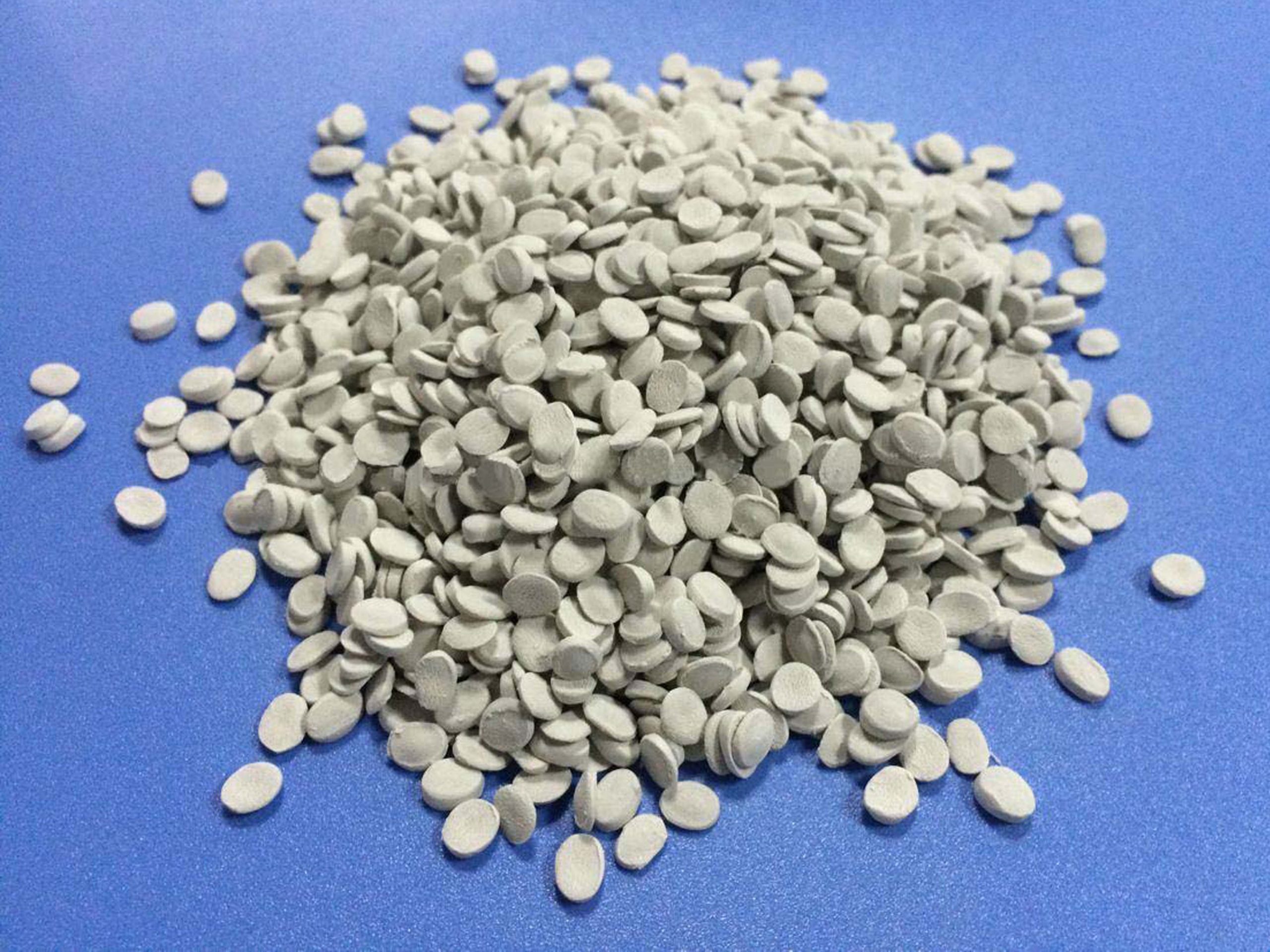
4. Antiblock Additives
Antiblock additives are widely used in the plastics industry to prevent the adhesion of plastic films or sheets. These additives are typically made from inorganic materials such as silica, talc powder, or diatomaceous earth. They are added to plastics during production to create microscopic roughness on the surface of the film or sheet, which helps reduce the coefficient of friction and prevent blocking. This allows for easier handling and processing of plastic materials.
Antiblock additives are extensively used in the manufacturing of various plastic products such as food packaging, agricultural films, and industrial films. They play an important role in improving the performance and quality of plastic materials.
5. Processing Aids (PPA)
Processing aids are a type of additive used in the plastics industry to improve the processability and performance of plastic materials. PPA additives are typically used to enhance flow properties, reduce melt viscosity, and improve the dispersion of fillers and pigments in plastic compounds. These additives can also help improve the thermal stability and mechanical properties of plastic materials.
PPA additives are widely used in various plastic processing methods such as injection molding, extrusion, and blow molding. They are available in different forms such as pellets, powders, and liquids and can be easily incorporated into plastic formulations to achieve desired properties.
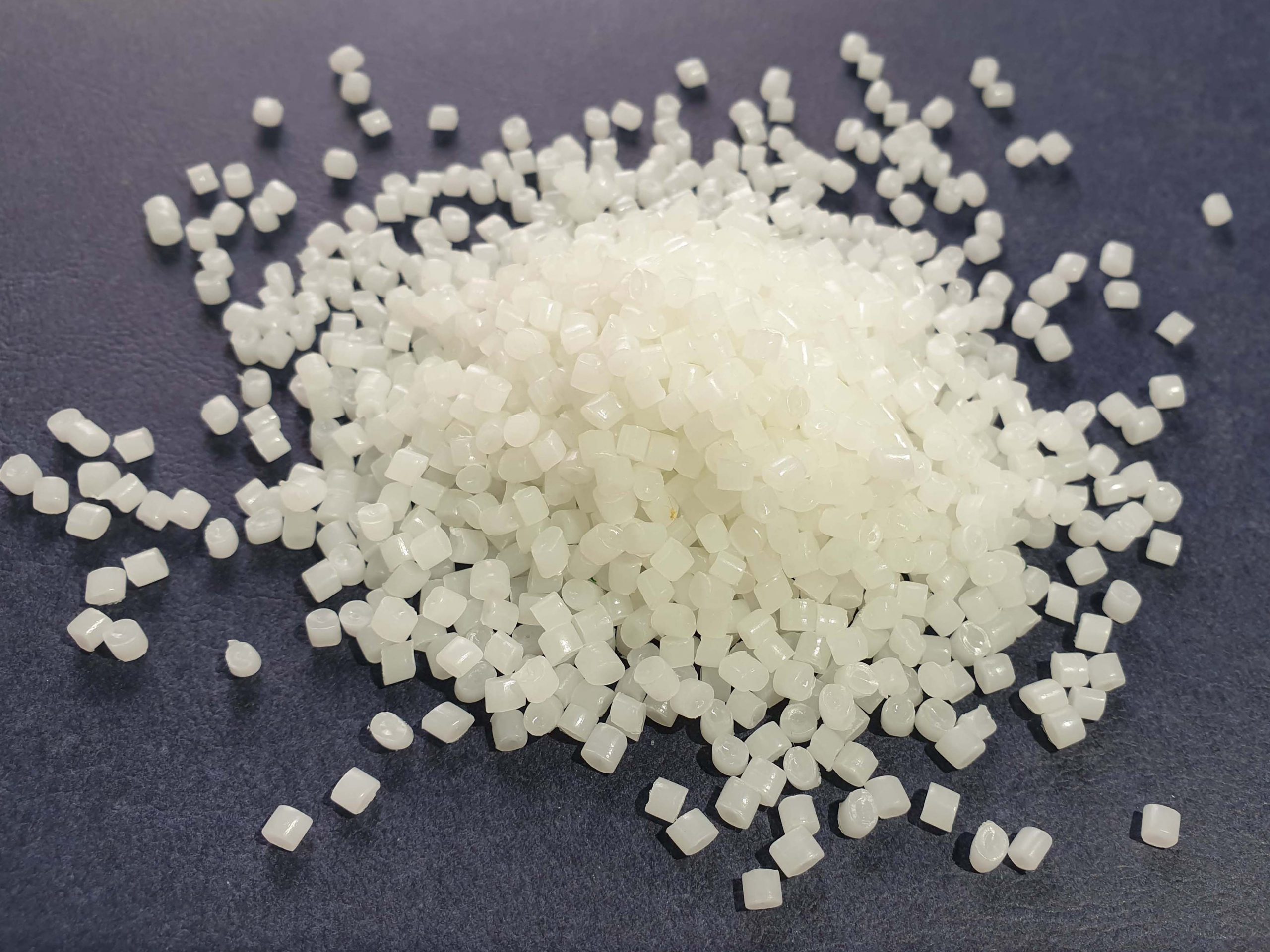
6. Flame Retardant Additives
Flame retardant additives for plastics are chemical compounds added to plastic materials to reduce their flammability and slow down the spread of fire. These additives work by creating a physical barrier that prevents the plastic from igniting or by releasing inert gases or water when exposed to fire.
These additives are widely used in various industries, including construction, automotive, and electronics, to improve the fire safety performance of plastic products.
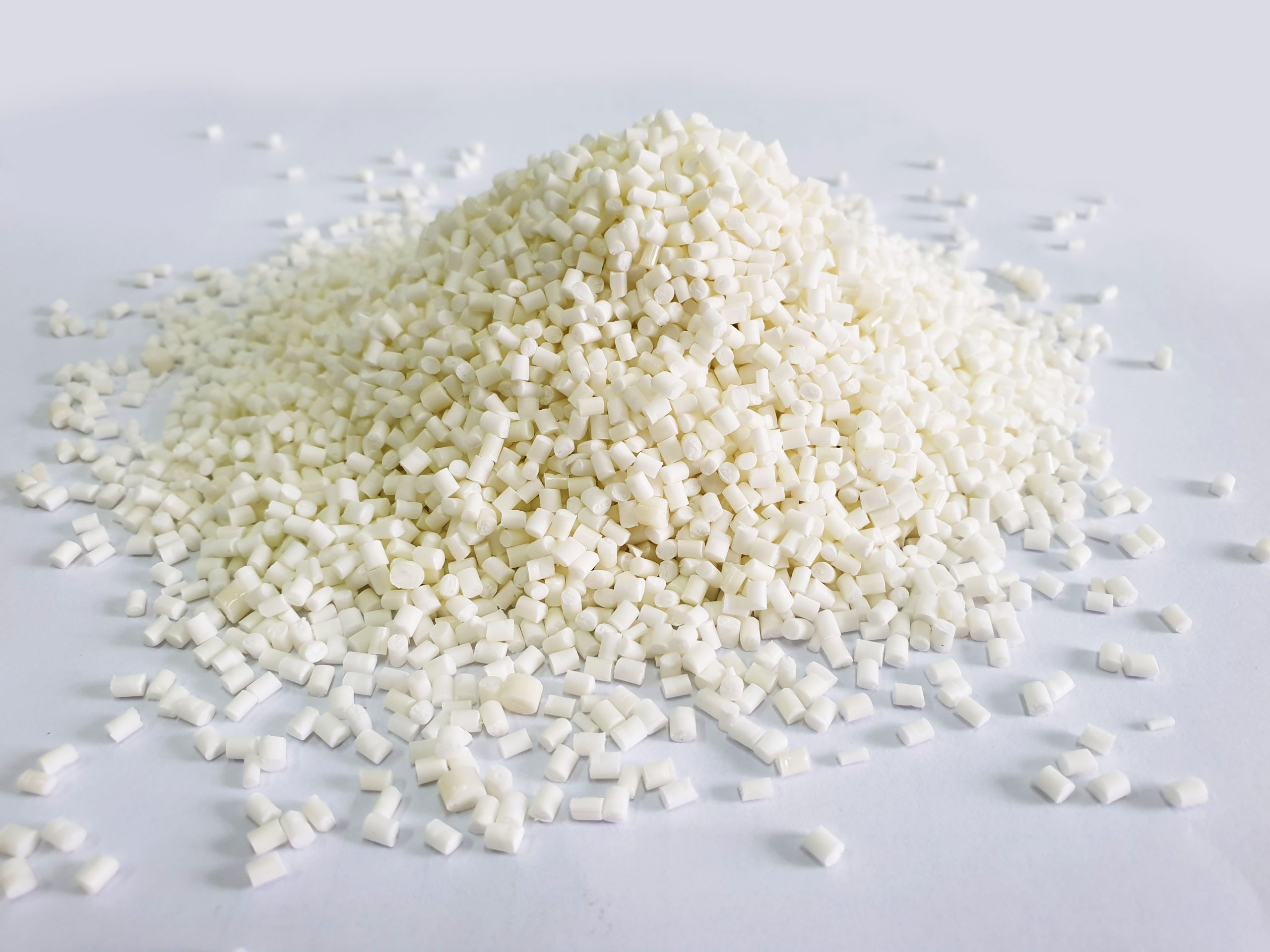
7. Whitening Additives
Whitening additives for plastics are chemical substances added to plastic materials to enhance their whiteness and brightness. These additives work by absorbing UV light and emitting blue light. The blue light reflected from the product to the human eye masks the yellowish-orange tones, giving the plastic a brighter and more appealing appearance.
Whitening additives are commonly used in the production of various plastic products, such as containers, packaging materials, and consumer goods. They are also used in the manufacturing of plastic films and sheets for printing and packaging applications. The use of whitening additives is an effective method to enhance the aesthetic appeal of plastic products, making them more attractive to consumers.
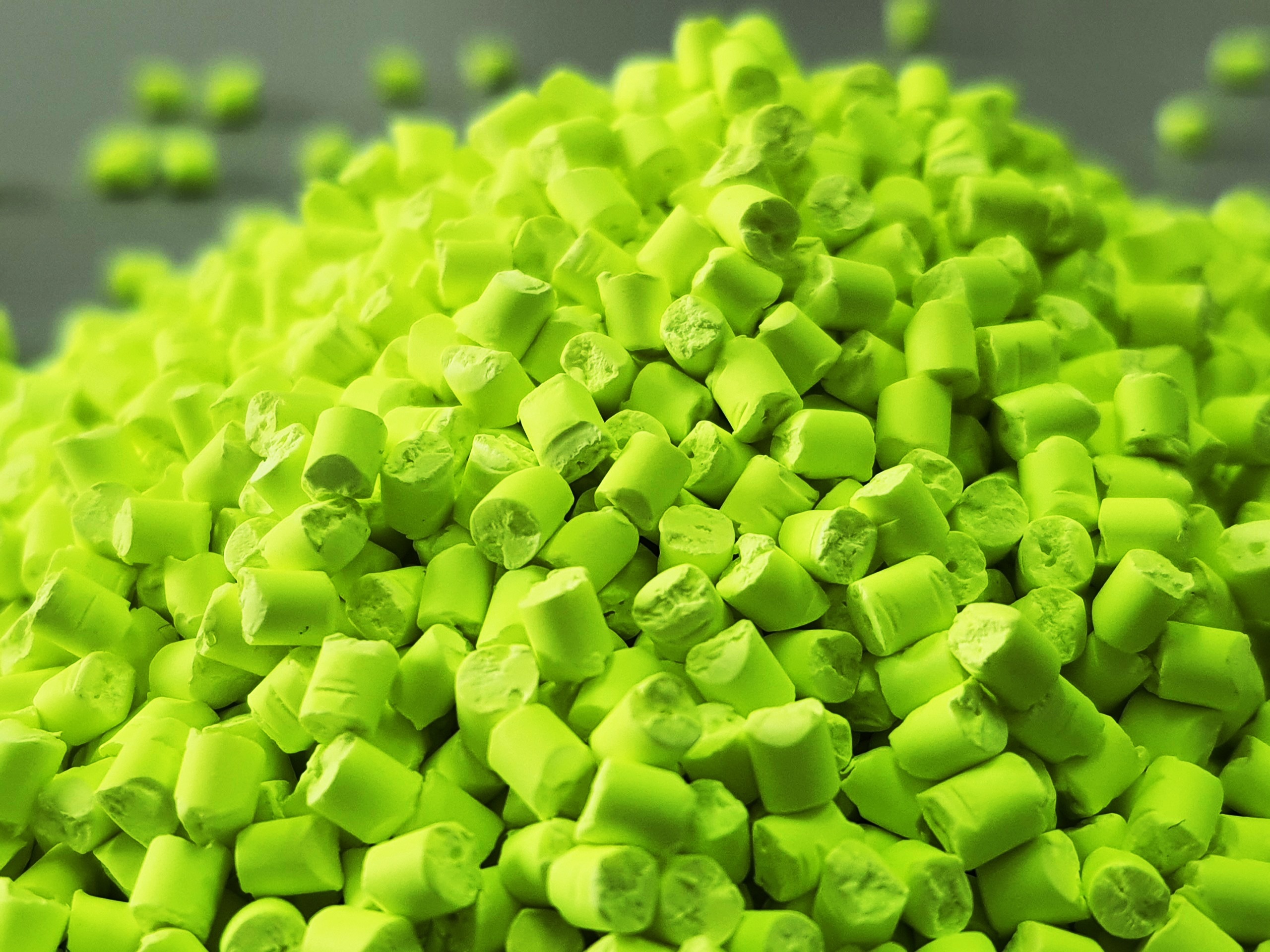
8. Blowing Agent for Plastic
Blowing agents for plastic are crucial components in the production of foamed products. This specialized powder is added to plastic during the manufacturing process to create a cellular structure within the material, resulting in a lighter and more insulating final product. The expansion process allows for reduced material usage while maintaining the overall strength and integrity of the plastic.
Expandable plastic powder is commonly used in the production of packaging materials, insulation, and various consumer goods. It is a versatile and cost-effective solution for creating lightweight and durable plastic products.
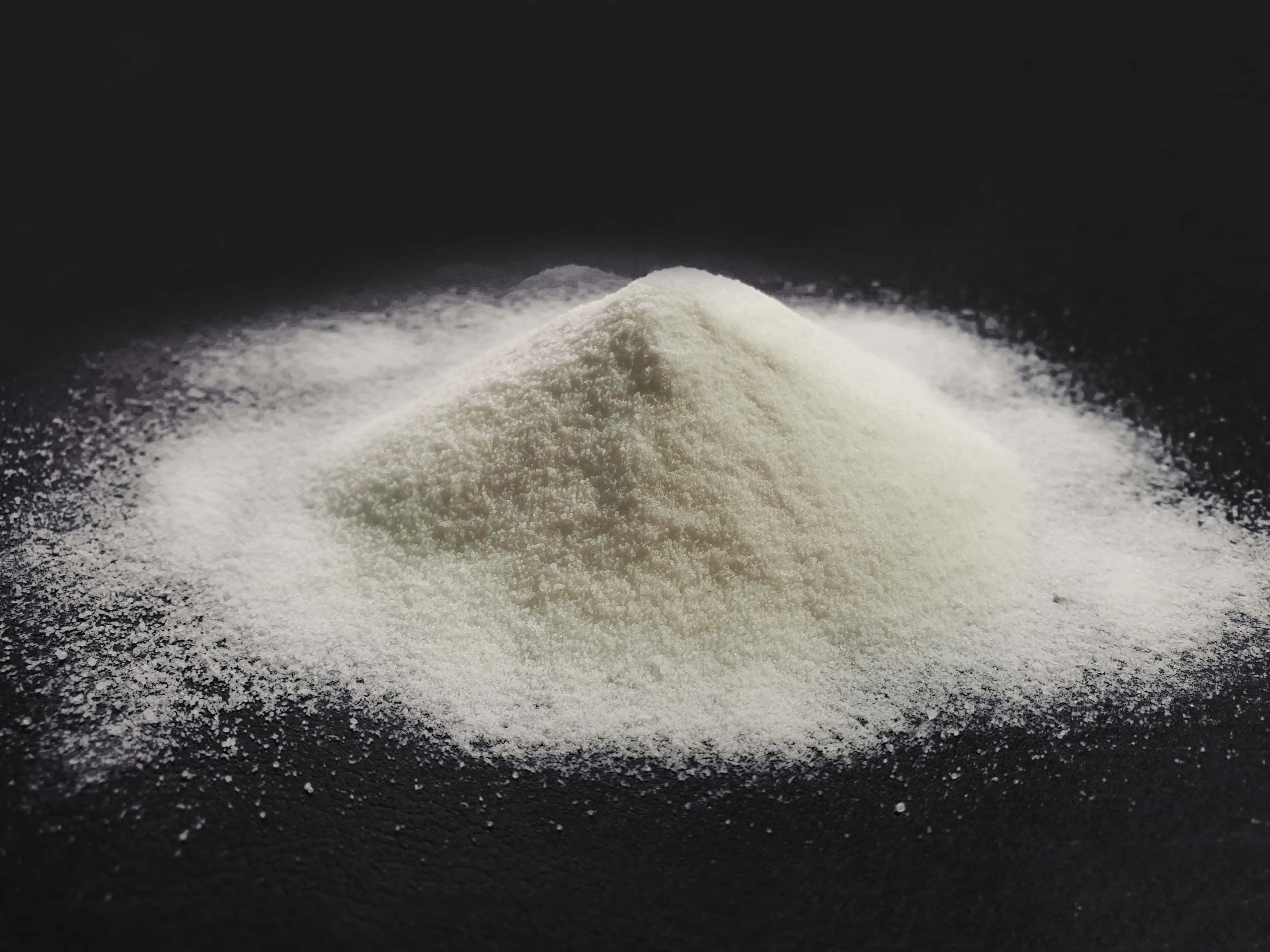
CPI Vietnam Plastic Co., Ltd. is a direct manufacturer of Masterbatch plastic additives, one of the largest in Vietnam. Therefore, CPI Plastic is a leading choice for manufacturing plants requiring stability in output and quality, to meet the production and export demands of our valued customers.
(Customers can refer to products here: Plastic Additives )