Plastic packaging is one of the most common applications, playing a crucial role in various industries and daily life, from packaging goods to everyday utility bags. In this article, let's explore the 5 most commonly used plastic types in plastic packaging production.
I. Why is it important to know about different types of plastics used in packaging production?
Understanding the raw materials for plastic packaging is very important for several reasons.
Firstly, it helps in making informed decisions about which type of plastic to use for specific packaging needs. Different plastics have different properties, such as durability, flexibility, heat and chemical resistance, making them suitable for various applications.
Secondly, a good understanding of the types of plastics used in packaging production is crucial for environmental considerations. Some plastics are easier to recycle than others, and knowing which type of plastic is being used can help create more sustainable packaging solutions.
II. Types of plastics used in packaging production
A. Polyethylene (PE)
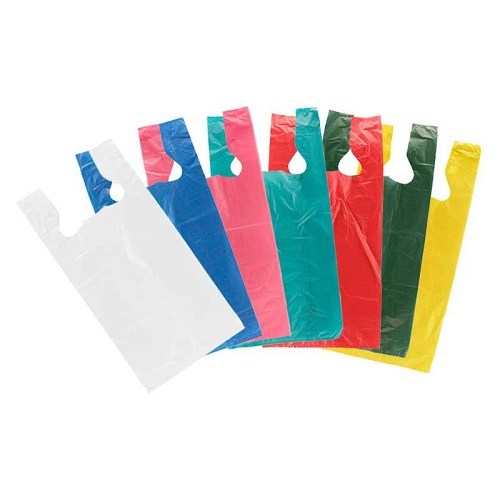
Polyethylene (PE) is the most widely used plastic in the world. PE is commonly used in the production of plastic bags, shrink films, and food packaging.
Properties and characteristics of PE-based packaging:
- High durability, flexibility, and elasticity, able to withstand various environmental conditions.
- Good moisture and chemical resistance.
- Lightweight.
- Easy to recycle.
- Safe for food contact.
B. Polypropylene (PP)
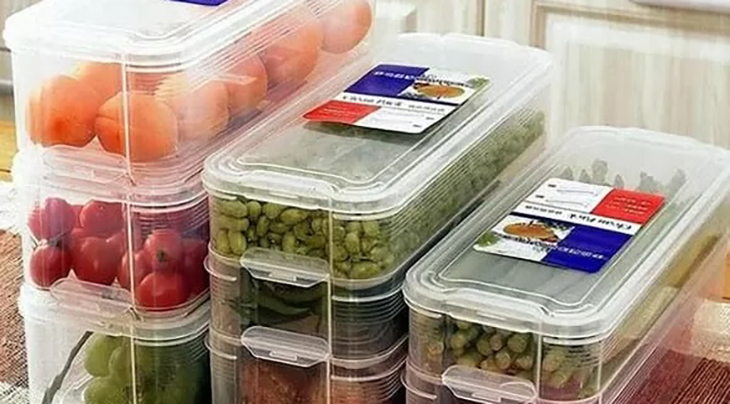
Polypropylene (PP) is a thermoplastic commonly used in the production of food containers, bottle caps, and various agricultural packaging.
Properties and characteristics of PP-based packaging:
- High melting point, can hold hot food.
- Good resistance to chemicals and moisture.
- High tensile strength.
- Safe for food contact.
- Easy to recycle.
- Easy to print on the surface.
C. Polyvinyl chloride (PVC)
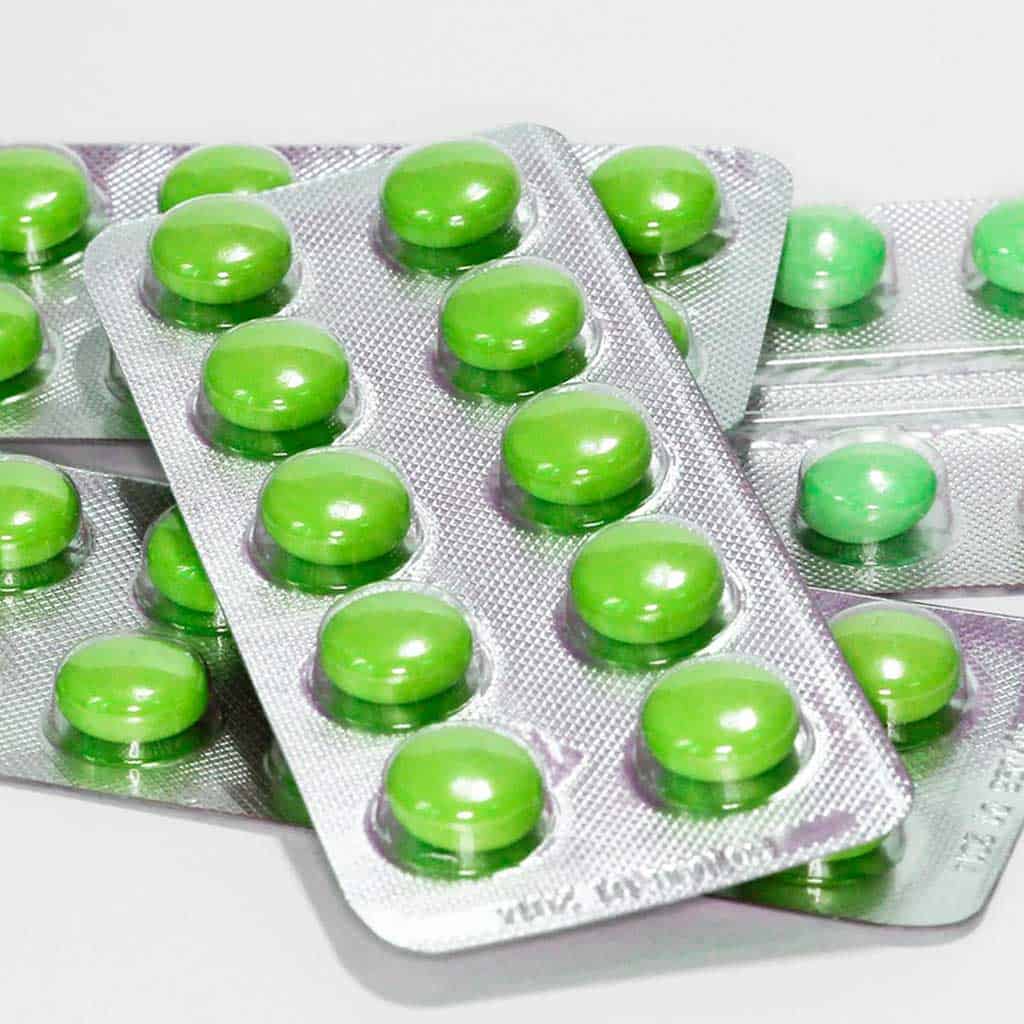
Polyvinyl Chloride (PVC) is a versatile plastic often used in the manufacture of blister packs, clam-shell packaging, and shrink sleeves. Its ability to maintain shape and protect internal goods makes it a popular choice for packaging requiring product display and protection from damage.
Properties and characteristics of PVC-based packaging:
- Durable, rigid, with good impact and abrasion resistance.
- Excellent barrier properties, resistant to moisture, oxygen, and other external elements.
D. Polystyrene (PS)
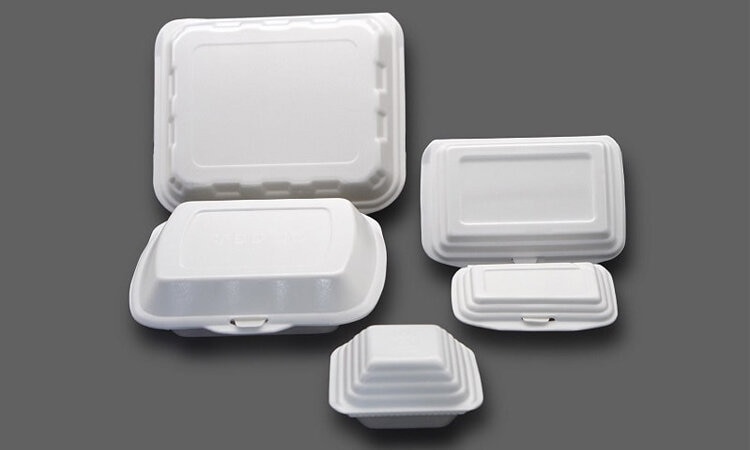
Polystyrene (PS) is commonly used in the production of foam packaging, disposable cups, and food containers. Its ability to insulate and protect contents makes it a popular choice for packaging requiring integrity during transport and storage.
Properties and characteristics of PS plastic packaging:
One of the main characteristics of polystyrene packaging is its lightweight nature. This makes it an ideal material for packaging items that need to be shipped long distances as it helps reduce the overall weight of the package. In addition, its lightweight nature also helps save costs as it reduces shipping expenses.
- Lightest among plastic types.
- Good thermal insulation.
- Has shock-absorbing properties, helping to protect fragile items.
E. Polyethylene Terephthalate (PET)
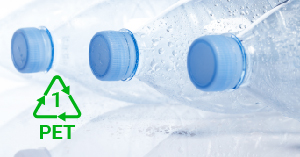
Polyethylene Terephthalate (PET) is commonly used in the production of beverage bottles, water bottles, food containers, and plastic blister packs. Its ability to maintain freshness and the integrity of contents makes it a popular choice for packaging that needs to protect internal contents from environmental factors.
Properties and characteristics of PET plastic packaging:
- Durable and rigid.
- Transparent.
- Low gas permeability.